
Lawn
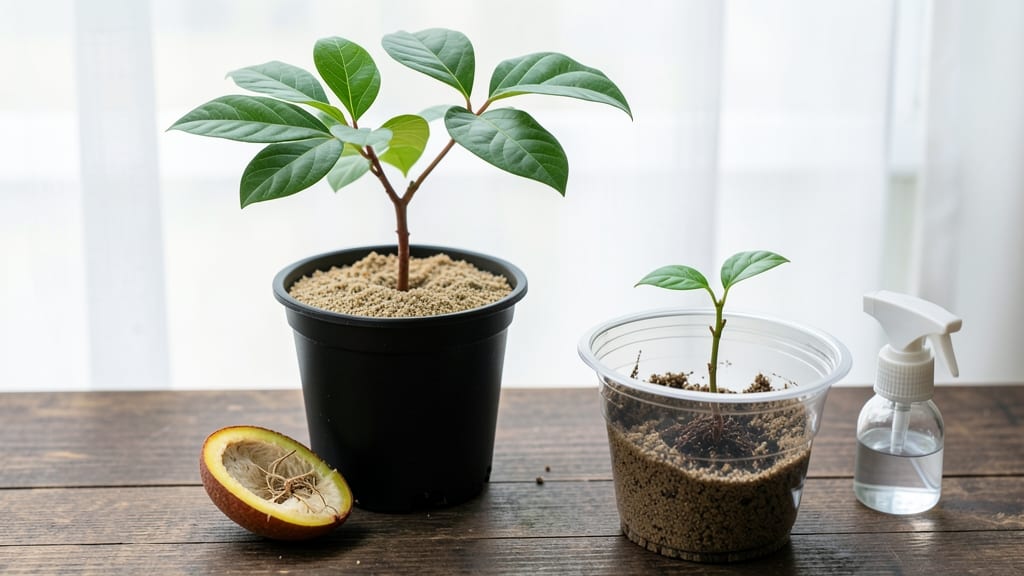
Watching the mango seed growth from a stubborn sprout to a sturdy 3-foot sapling in just two years is one of those rewarding projects that turns a simple pit into a future tropical shade tree. 🌱 I’ve seen my own seedling transform from a fragile shoot into a thriving plant—no fancy equipment or green thumb required.
The key is patience and knowing exactly when to push (and when to wait) for those first leaves to unfurl.
Start with a fresh, plump seed from a ripe mango—avoid dried-out or shriveled pits, as they germinate poorly. You’ll need a small pot, well-draining soil mix, and a warm spot (like a sunny windowsill or under grow lights).
The germination process can take 4-8 weeks, but once that first shoot breaks through, you’ll be hooked. Water lightly to keep the soil moist but never soggy, and resist the urge to over-tinker—mango seeds hate being disturbed.
By the time your seedling reaches 6 inches tall, it’s ready for its first transplant into a larger pot. That’s when the real fun begins—watch as those glossy leaves thicken and the stem strengthens.
With proper care, your sapling could one day produce fruit (though it may take 5-10 years for a seed-grown tree to bear mangoes). The journey is half the joy, and the shade it provides will be worth every week of waiting.
Fair warning: mango trees grow slowly at first, and some seeds never sprout at all. But if you’ve ever dreamed of growing a tropical tree from scratch, this is the project.
The payoff isn’t just a tree—it’s the satisfaction of nurturing something from a single seed to a living, breathing part of your garden. Let’s get those pits planted!
📚 In This Guide
- What you need
- Instructions
- Tips and common mistakes
- Wrapping up and next steps
What you need
- ● Mango seeds: 3–5 fresh, plump seeds (harvested from ripe, organic mangoes for best results). Pro tip: 💡 Store seeds in a damp paper towel in the fridge if not planting immediately!
- ● Small pots or containers: 3–5 (4–6 inches deep) with drainage holes. Options: plastic cups, seedling trays, or biodegradable peat pots.
- ● Potting mix: 1–2 bags of well-draining, seed-starting mix (or a blend of 50% peat moss + 50% perlite/sand).
- ● Watering can or spray bottle: For gentle hydration (avoid overwatering!).
- ○ Plastic wrap or clear lid: To create a mini greenhouse effect (optional but helpful).
- ● Labeling tags: 3–5 (to track seedling progress).
- ● Warmth: Consistent temperatures between 70–90°F (21–32°C) (use a seedling heat mat if needed).
- ● Indirect sunlight: Bright, filtered light (e.g., near a window or under grow lights).
- ● Humidity: High humidity (80–90%) during germination (achieved with plastic wrap or a humidity dome).
- ● Fertilizer: Balanced liquid fertilizer (diluted to half-strength) for seedlings after 4–6 weeks.
- ● Grow lights: LED full-spectrum bulbs for 12–14 hours/day if natural light is limited.
- ● Tweezers: For delicate seed handling (especially if seeds are small or brittle).
- ● Journal: To log growth milestones (fun for tracking progress!).
Step-by-step instructions for growing mango trees from seed
Here's how to turn a single mango pit into a thriving sapling with minimal fuss.
🌱 Step 1: Select and Prepare the Seed
Start with a fresh, fully ripe mango—never use one that's still firm. Cut the fruit open carefully to avoid damaging the seed inside. You'll want a seed that's plump and free of cracks or mold. Rinse it gently under warm water to remove any fruit residue, then let it dry completely for about 24 hours.
Here's the thing—mango seeds have a tough outer shell that slows germination. To speed things up, I like to soak the seed in warm water for 24-48 hours. This softens the shell and kickstarts the sprouting process. Change the water once if it gets cloudy, and keep it in a warm spot (around 70-75°F) for best results.
💧 Step 2: Plant the Seed in Moist Potting Mix
Fill a small pot (about 4-6 inches deep) with a well-draining potting mix. I prefer a blend of 50% peat moss and 50% perlite for this step—it keeps the roots aerated while holding enough moisture. Moisten the mix until it's damp but not soggy, then make a small hole about 1 inch deep in the center.
Place the soaked seed in the hole with the pointed end facing up (this is the shoot). Cover it lightly with soil, leaving just a tiny bit exposed. Press down gently to ensure good contact with the mix. Water lightly until the surface feels evenly moist. Don't overdo it—you want the soil to stay damp, not waterlogged.
☀️ Step 3: Provide Warmth and Humidity for Germination
Mango seeds germinate best in warm, humid conditions. Place the pot in a location where the temperature stays consistently between 75-85°F. A seedling heat mat set to 75°F works wonders if your home runs cooler. Cover the pot loosely with plastic wrap or a clear dome to retain humidity, but leave a small gap for airflow.
Check the soil daily—it should stay moist but not drenched. Mist the plastic wrap lightly if it starts to fog up. Germination can take anywhere from 2-6 weeks, so patience is key. You'll know it's working when you see a tiny sprout pushing through the soil. Once it reaches about 2 inches tall, remove the cover to prevent mold.
🌿 Step 4: Transplant and Care for the Sapling
When the seedling has developed its first true leaves (not the initial seed leaves) and is about 4-6 inches tall, it's time to transplant it into a slightly larger pot (around 6-8 inches deep). Use a well-draining potting mix, like a blend of 60% garden soil, 20% compost, and 20% perlite. Water the seedling thoroughly before transplanting to reduce shock.
Place the sapling in bright, indirect light at first—direct sun can scorch its delicate leaves. Gradually introduce it to more sunlight over 1-2 weeks. Water when the top inch of soil feels dry, but avoid letting it sit in water. Mango saplings are sensitive to overwatering, so always ensure the pot has drainage holes.
⏰ Step 5: Monitor Growth and Prepare for Outdoor Life
As your sapling grows, keep it in a pot that's 2-3 inches larger than its current one every 6-12 months. This gives its roots room to develop without becoming root-bound. Fertilize lightly every 2 months with a balanced, water-soluble fertilizer (like a 10-10-10 mix) during the growing season. Reduce fertilization in winter when growth slows.
When your sapling reaches about 1-2 feet tall and has at least 4-5 sets of leaves, it's ready for its first taste of outdoor life. Start by placing it outside in a sheltered spot for a few hours a day, gradually increasing its time outdoors over 1-2 weeks. This process, called hardening off, helps it adjust to wind, sun, and temperature changes without shock.
Tips & tricks for perfect mango seed growth
These simple tricks will help you turn that mango pit into a thriving sapling without the guesswork.
The Seed Selection Secret: Choose mangoes that are fully ripe but not mushy—they should yield slightly to gentle pressure. Look for seeds that are plump and free of cracks, as these are the most likely to germinate successfully. I've found that seeds from tropical varieties like Tommy Atkins or Keitt tend to sprout more reliably than smaller, flatter seeds.
Soaking Strategy: The 24-48 hour soak is your best friend for breaking through that tough outer shell. I like to use a glass jar with warm (not hot) water and change it after 24 hours—this prevents bacterial growth while keeping the seed hydrated. Place the jar on a warm spot like near your oven (when it's off) or on top of your fridge to maintain that 70-75°F range consistently.
Germination Troubleshooting: If your seed doesn't sprout within 6 weeks, don't give up! Sometimes the shell is extra tough. Try gently scoring the seed's outer shell with a sharp knife (just enough to break the surface) before replanting. This can create tiny cracks that allow water to penetrate more easily. Just be careful not to damage the inner seed itself.
Light Transition Tip: When moving your sapling from indoor growing to outdoor life, don't rush the process. Start with just 1-2 hours of morning sun for the first few days, then gradually increase. I've seen young saplings get sunburned when moved too quickly—look for pale or yellowing leaves as a sign they're getting too much direct sun too soon.
Pro Tips for Mango Seed Growth
- These simple tricks will help you turn that mango pit into a thriving sapling without the guesswork.
- The Seed Selection Secret: Choose mangoes that are fully ripe but not mushy—they should yield slightly to gentle pressure.
- Soaking Strategy: The 24-48 hour soak is your best friend for breaking through that tough outer shell.
Frequently asked questions
Got questions about growing mango seeds? You’re not alone! Here are answers to the most common concerns—from impatient gardeners to troubleshooters. Let’s clear up the confusion and get those seeds sprouting like pros.
How long does it take for a mango seed to germinate?
A mango seed typically takes 2–4 weeks to germinate, depending on temperature, moisture, and seed health. Keep the soil warm (70–85°F) and consistently damp. If nothing sprouts after 6 weeks, the seed may be dormant or damaged—try soaking it overnight in warm water before replanting.
Can I speed up germination?
Yes! Pre-soak the seed in warm water for 24–48 hours to soften the shell. Place it in a paper towel (not plastic) with a damp cloth, then store it in a warm, dark spot (like a sealed bag). Check daily for sprouts—this method can cut germination time by half!
What if my mango seed won’t sprout?
Don’t panic! Try these fixes:
- Check viability: Float the seed in water—if it sinks, it’s viable; if it floats, it’s likely dead.
- Adjust conditions: Ensure the seed is not too dry or waterlogged. A seedling heat mat (75–85°F) can help.
- Try stratification: Refrigerate the seed for 1–2 weeks to mimic winter dormancy, then replant.
How do I care for a mango sapling once it grows?
Once your seedling emerges, move it to bright, indirect light (no harsh sun yet!). Water when the top inch of soil is dry, and use a well-draining potting mix. After 6–8 leaves form, transplant to a larger pot or garden bed. Mango trees love warmth and humidity—avoid frost!
Can I grow a mango tree from a store-bought mango?
Store-bought mango seeds work, but choose a ripe, organic mango for the best results. Avoid seeds from treated or hybrid fruit, as they may not germinate well. Pro tip: Save seeds from heirloom or local varieties for stronger, more reliable growth!
Wrapping up and next steps
Growing a mango tree from seed is a rewarding journey that blends patience with the joy of nurturing life! 🌱 Whether you're a gardening novice or a seasoned green thumb, your efforts can yield a thriving sapling—given the right conditions, care, and a dash of enthusiasm.
Now that you’re armed with the key steps and tips, it’s time to roll up your sleeves and watch those roots grow!
Ready to take the next step? Start by planting your prepped seed in a sunny spot, and soon, you’ll be tending to a sapling that could one day bear delicious fruit. Happy growing! 🌿