
Orchid Care
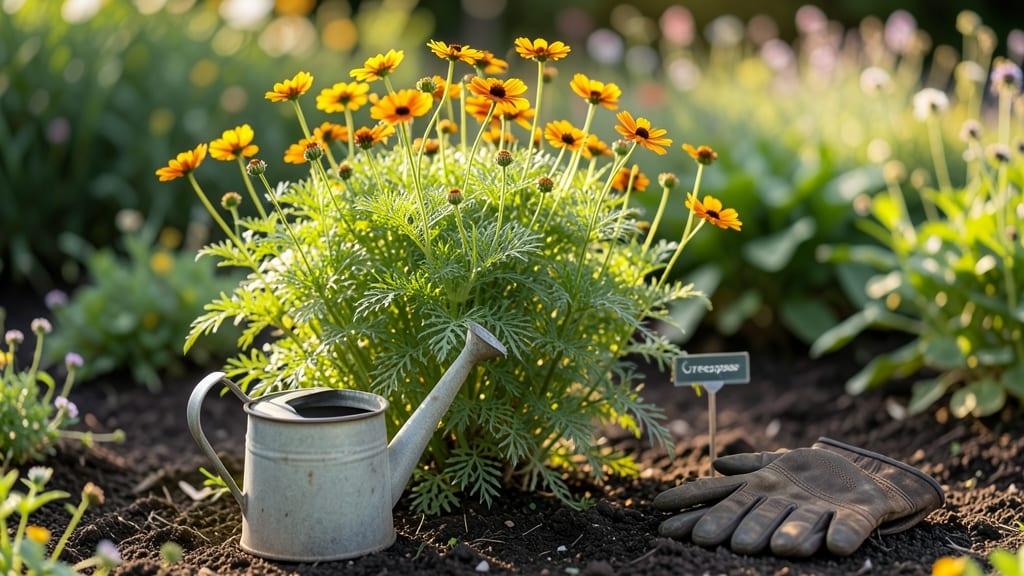
Tickseed coreopsis care thrives with 6+ hours of sun daily—the secret to its effortless, sunlit blooms that last from summer through fall. 🌻 I’ve grown mine in everything from full sun to partial shade, but the plants in bright light just keep giving, year after year, with almost no care. The key isn’t fussing over it; it’s giving it space to breathe and room to spread its cheerful, daisy-like flowers. This plant loves well-draining soil—sandy, rocky, or even poor soil—because it’s naturally drought-tolerant. Overwatering is the only real mistake you can make, so let the soil dry between waterings. A light feeding with balanced fertilizer in spring kickstarts blooms, but honestly, mine often skips this step and still puts on a show. The real magic happens when you let it do its thing. By mid-summer, you’ll have nonstop blooms that butterflies adore, and the plants keep looking fresh until frost. Deadhead spent flowers to encourage more, but even if you skip that, the seed heads add winter charm. It’s the kind of plant that makes gardening feel like a victory, not a chore. Works in USDA zones 3-9, from deserts to coastal gardens, and thrives in containers or borders. Once established, it’s nearly indestructible—perfect for busy gardeners or first-timers who want color without the drama.
📚 In This Guide
- What you need
- Instructions
- Tips and common mistakes
- Wrapping up and next steps
What you need
- ● Potting Soil: 1–2 bags (5–10 lbs each) of well-draining, sandy loam mix (pH 6.0–7.0). Avoid heavy clay soil.
- ● Containers: Pots with drainage holes (6–12 inches in diameter, depending on plant size). Terracotta or ceramic works best.
- ● Fertilizer: Balanced 10-10-10 granular fertilizer (1 lb per 10 sq ft of garden space).
- ● Slow-release organic fertilizer (e.g., composted manure or worm castings, 2–3 cups per pot).
- ● Mulch: 1–2 inches of organic mulch (e.g., shredded bark, pine straw, or compost) to retain moisture.
- ● Watering Can or Hose: With a gentle spray nozzle for even watering.
- ● Pruning Shears: Sharp, sterilized shears (for deadheading and shaping).
- ● Gloves: Garden gloves (to protect from thorns on some varieties).
- ○ pH Test Kit: To monitor soil acidity (optional but helpful for troubleshooting).
- ● Stakes or Trellis: For taller varieties (e.g., Coreopsis verticillata) to prevent flopping.
- ● Drought-Proofing Additives: Perlite or coarse sand (1 part per 3 parts soil) for extra drainage in heavy clay areas.
- ● Plant Tags: To label varieties (especially useful if growing multiple types!).
Step-by-step instructions for growing thriving tickseed coreopsis
Here’s how to coax vibrant blooms from this drought-tolerant superstar with just a few simple adjustments.
🌱 Step 1: Plant in Well-Draining Soil with Full Sun Exposure
Coreopsis thrives in full sun (at least 6-8 hours daily) and poor-to-average soil—the less fertile, the better. I always work in 2-3 inches of compost into the top layer of native soil to improve drainage without creating soggy conditions. These plants despise wet feet, so if your soil stays damp, amend with sand or perlite to break up clay.
Dig a hole twice as wide as the root ball but only as deep as the container it came in. Gently loosen the roots if they’re circling, then backfill with soil while pressing lightly to eliminate air pockets. Water deeply right after planting to settle the soil around the roots—you’ll know it’s right when moisture reaches 6 inches down without pooling.
☀️ Step 2: Water Deeply but Infrequently
Once established, tickseed coreopsis is famously drought-tolerant, but young plants need consistent moisture. Water once a week during the first growing season, delivering 1 inch of water per week—either all at once or split into two sessions. You’ll see the difference: plants watered deeply develop stronger roots and fewer floppy stems.
Here’s the trick: water at the base only and avoid wetting the foliage to prevent fungal diseases. Let the top 2 inches of soil dry out between waterings—this encourages deep root growth. Overwatering is the #1 killer of coreopsis; you’ll know you’ve got it right when the soil feels dry to the touch at the surface but still holds moisture lower down.
✂️ Step 3: Deadhead and Prune for Continuous Blooms
To keep your coreopsis flowering nonstop, deadhead spent blooms weekly by snipping off faded flowers just above the next set of leaves. I use clean pruners and make angled cuts to prevent water from pooling on the stem. This encourages the plant to redirect its energy into producing fresh buds instead of setting seed.
In late winter or early spring, give your plant a light trim to remove any dead or damaged stems. Cut back by about one-third to promote bushier growth. Avoid heavy pruning in fall—this hardy perennial needs its foliage to photosynthesize through the cooler months for next year’s blooms.
🌿 Step 4: Fertilize Lightly for Vibrant Color
Coreopsis doesn’t need much fertilizer, but a light feeding in early spring with a balanced 10-10-10 or 5-5-5 formula ensures vibrant blooms. I scatter ½ teaspoon of granular fertilizer around the base of each plant and water it in thoroughly. Too much nitrogen leads to lush foliage but fewer flowers—this is a bloomer, not a foliage plant.
Skip fertilizing in late summer or fall, as new growth won’t harden off before winter. Instead, focus on mulching with 1-2 inches of organic matter (like shredded leaves or straw) to protect roots from temperature swings. This also helps retain moisture and suppresses weeds without smothering the plant.
Tips & tricks for perfect tickseed coreopsis growth
Here's what nobody tells you about keeping your tickseed coreopsis thriving with minimal effort.
Sunlight Strategy: While coreopsis loves full sun, I've found that morning sun with afternoon shade in hot climates actually extends bloom time. The key is ensuring those critical 6-8 hours daily—if your garden gets intense afternoon heat, consider partial shade during peak summer hours. You'll notice the difference in leaf scorch and overall plant vigor.
Soil Science: The secret to happy coreopsis isn't just drainage—it's creating that perfect "sandy loam" texture. Mix your native soil with 2-3 inches of compost and 10% perlite or coarse sand for that ideal balance. I test soil moisture by sticking my finger 2 inches down—if it's dry, it's ready for water. This prevents both underwatering and the dreaded soggy roots that kill these plants.
Watering Wisdom: That 1 inch per week guideline works perfectly when your rainfall averages 1 inch weekly. In my experience, most gardeners underestimate rainfall—keep a rain gauge handy. I've seen coreopsis survive with no supplemental water after just 2 weeks of normal rainfall, proving how truly drought-tolerant they are once established.
Pruning Precision: When doing your annual late-winter trim, focus on removing only the truly dead stems—those brown, crispy stalks that won't green up. The one-third reduction guideline gives you flexibility: if your plant looks particularly leggy, you can trim back slightly more. Just avoid cutting into healthy green growth, as this removes the plant's energy stores for next year's blooms.
Pro Tips for Tickseed Coreopsis Care
- Here's what nobody tells you about keeping your tickseed coreopsis thriving with minimal effort.
- Sunlight Strategy: While coreopsis loves full sun, I've found that morning sun with afternoon shade in hot climates a...
- Soil Science: The secret to happy coreopsis isn't just drainage—it's creating that perfect "sandy loam" texture. Mix ...
Frequently asked questions
Got questions about keeping your Tickseed Coreopsis thriving? You’re not alone! Here are answers to the most common concerns—so you can enjoy those cheerful blooms with confidence.
How often should I water tickseed coreopsis?
Water deeply but infrequently—about once a week (or when the top 1-2 inches of soil feel dry). This drought-tolerant beauty hates soggy roots, so always ensure well-draining soil. Pro tip: Reduce watering in winter unless your climate is exceptionally dry.
When is the best time to plant tickseed coreopsis?
Plant in early spring or fall for optimal root establishment. Avoid late summer heatwaves, which can stress young plants. If starting from seeds, sow them indoors 6-8 weeks before the last frost or directly in the garden after danger of frost has passed.
What pests should I watch for, and how do I treat them?
Common pests include aphids, spider mites, and Japanese beetles. For mild infestations, spray with a soapy water solution (1 tsp mild soap per quart of water). Severe cases may need neem oil or insecticidal soap. Prevention tip: Encourage beneficial insects like ladybugs!
Can tickseed coreopsis grow in containers?
Use a well-draining pot (at least 12 inches deep) with a mix of potting soil and perlite. Place in full sun and water consistently. Dwarf varieties like ‘Moonbeam’ are perfect for containers. Warning: Empty excess water to prevent root rot.
Why aren’t my tickseed coreopsis blooms lasting long?
Short-lived blooms often signal overcrowding, poor soil, or lack of deadheading. Deadhead spent flowers regularly to encourage more blooms. Also, ensure full sun (6+ hours/day) and balanced fertilizer (like 10-10-10) every 4-6 weeks during the growing season.
Wrapping up and next steps
With just a little attention to sunlight, soil, and watering, your tickseed coreopsis will reward you with vibrant, low-maintenance blooms that brighten any garden. Remember, these cheerful flowers thrive on neglect—so don’t overthink it! 🌻 Now that you’re armed with the essentials, why not expand your garden?
Try pairing coreopsis with complementary perennials like lavender or black-eyed Susans for a stunning, long-lasting display.
Ready to dive in? Grab your gloves, pick a sunny spot, and let nature do the rest—your future blooms will thank you! 🌱