
Lawn
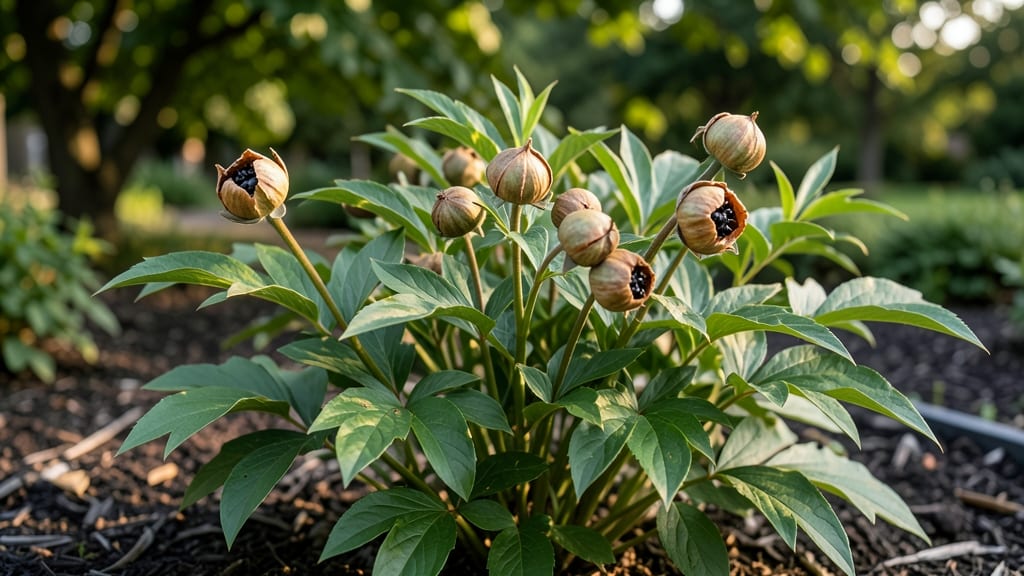
Harvesting peony seed pods means unlocking next year's blooms without digging up your plants. ✨ The fuzzy, football-shaped pods that follow your peonies' spring flowers hold the secret to growing new plants—but only if you know when and how to collect them properly.
Most gardeners skip this step entirely, missing out on free, heirloom-quality peonies that thrive just like their parents.
Timing is everything: wait until the pods turn from green to a dry, papery brown before harvesting—usually late August to September in most climates.
A gentle twist or snip with clean shears releases the seeds inside, which you'll want to sow fresh or store in a cool, dry place until spring.
The pods themselves are harmless, so no need to rush—just don't let them split open on the ground, where squirrels might snack on the seeds.
What you end up with are peonies that may not bloom as early as divisions, but they'll develop the same vibrant colors and robust growth over time. Seed-grown peonies take 3-5 years to reach full bloom, but the patience pays off with unique varieties you won't find in nurseries.
Plus, you avoid the shock and stress of dividing mature plants, making this the gentlest way to expand your garden.
For best results, sow seeds in well-draining soil and keep them moist until germination—though be prepared for a slow start. If you're impatient, consider layering the seeds (burying them shallowly in fall) to speed up the process.
Either way, you'll have a head start on peonies that grow true to their parents, with none of the fuss of traditional propagation.
📚 In This Guide
- What you need
- Instructions
- Tips and common mistakes
- Wrapping up and next steps
What you need
- ● Mature peony seed pods (harvested from healthy, disease-free plants in late summer/early fall)
- ● Sharp pruning shears or scissors (sterilized with rubbing alcohol)
- ● Paper towels or newspaper (for drying pods)
- ● Brown paper bags or envelopes (for storage—1 per 5-10 pods)
- ● Plastic zip-top bags (for long-term seed storage—quart-size or larger)
- ● Permanent marker (to label pods by variety/date)
- ○ Small fan or dehumidifier (optional but helpful for drying)
- ● Gloves (to protect hands from prickly stems)
- ● Magnifying glass (for inspecting seed viability)
- ● Seed-starting mix (if planning to germinate immediately)
- ● Spray bottle with water (for humidifying storage)
- ● Notebook (to track pod sources and germination notes)
Step-by-Step guide to harvesting peony seed pods
Here's how to collect and store peony seed pods for next spring's vibrant blooms.
🌱 Step 1: Identify Mature Seed Pods
Peony seed pods form after blooms fade in late summer. Look for pods that are dry, brown, and slightly papery—they should feel light when gently squeezed. Avoid green or plump pods, as they're not yet mature. I always check my peonies in mid-to-late September when pods are fully developed but haven't split open yet.
Harvest pods on a dry day when humidity is low. This prevents mold from forming on the seeds inside. You'll know they're ready when the pod splits open naturally—seeds will pop out like tiny popcorn kernels if you shake it gently. Collect pods before they split to keep seeds intact.
💧 Step 2: Collect and Clean the Pods
Use clean pruning shears or scissors to snip pods from the stems, leaving a ½-inch stem attached. Place them in a paper bag to dry further. Avoid plastic bags—they trap moisture and encourage rot. I let pods air-dry indoors for 3-5 days in a shaded, well-ventilated spot.
Once fully dry, open each pod carefully. You'll find 1-3 seeds per pod, each resembling a tiny, wrinkled bean. Remove any debris or empty pods, then store seeds in an envelope labeled with the peony variety and harvest date. This keeps them organized for future planting.
☀️ Step 3: Store Seeds Properly for Spring Planting
Peony seeds need cold stratification to germinate successfully. Place the dried seeds in a sealed plastic bag with a moistened paper towel—just damp, not soaking wet. Seal the bag and refrigerate for 3-4 months at 35-40°F. This mimics winter conditions and breaks seed dormancy.
After stratification, plant seeds ½ inch deep in well-draining soil. Peonies thrive in full sun and fertile, slightly alkaline soil. You won't see blooms for 2-3 years, but patience pays off with stunning, long-lasting flowers. Mark seed locations clearly—they'll need consistent care until established.
⏰ Step 4: Prepare Beds for Spring Planting
In early spring, after the last frost, prepare the planting bed by loosening soil to a depth of 12 inches. Mix in 2-3 inches of compost to enrich the soil. Peonies hate soggy roots, so ensure the area drains well. I always test my soil's pH—peonies prefer 6.5-7.5—and amend if needed.
Plant seeds 6 inches apart in rows spaced 18 inches apart. Water gently but thoroughly after planting to settle the soil. Mulch with 2 inches of organic mulch to retain moisture and suppress weeds. Keep the soil consistently moist but not waterlogged until seedlings emerge, which typically takes 4-6 weeks.
Tips & tricks for perfect peony seed pod harvesting
These little-known tricks will help you maximize your peony seed yield and ensure healthy germination for next spring's blooms.
Timing is Everything: The window for harvesting peony seed pods is narrow—aim for mid-to-late September when pods are fully brown and dry but haven't split open. I've learned the hard way that waiting too long means seeds scatter everywhere! If you miss this window, you can still harvest split pods, but you'll lose some seeds to wildlife and wind. Check your plants every few days during this critical period.
Harvest Technique: When collecting pods in Step 1, use clean pruning shears to avoid damaging the stems. Leave that ½-inch stem attached—it helps identify which variety each pod came from, especially if you're growing multiple peony types. I always place pods in a paper bag immediately after cutting to prevent moisture buildup, which can lead to mold. Never use plastic bags, as they trap humidity and encourage rot during the 3-5 day drying period.
Stratification Secrets: The 3-4 month cold stratification at 35-40°F is non-negotiable for peony seeds. I place my seeds in a ziplock bag with a moist paper towel and store them in my refrigerator's crisper drawer, which maintains consistent temperatures. For visual tracking, I use a small piece of masking tape on the bag to mark the harvest date—this helps me remember when to plant in spring.
Spring Planting Prep: When preparing your planting bed in Step 4, don't skip the soil test for pH. Peonies prefer slightly alkaline soil (6.5-7.5), and adjusting this now prevents future struggles with poor growth. I mix in 2-3 inches of compost not just for nutrients, but also to improve soil structure. The key is creating a loose, well-draining environment that mimics peonies' natural habitat—this gives your young plants the best chance to establish strong roots before their first bloom.
Pro Tips for Peony Seed Pods
- These little-known tricks will help you maximize your peony seed yield and ensure healthy germination for next spring...
- Timing is Everything: The window for harvesting peony seed pods is narrow—aim for mid-to-late September when pods are...
- Harvest Technique: When collecting pods in Step 1, use clean pruning shears to avoid damaging the stems. Leave that ½...
Frequently asked questions
Got questions about peony seed pods?
You’re not alone! Here are answers to the most common queries—from timing to troubleshooting—to help you master the harvest for next season’s blooms.
When should I harvest peony seed pods?
Harvest peony seed pods in late fall to early winter (November–January, depending on your climate) when the pods turn brown and dry but before they split open. Overripe pods release seeds prematurely, reducing viability. Aim for a crisp, papery texture—like a dried husk—to ensure the best germination rates.
How long does it take for peony seeds to germinate?
Peony seeds are notoriously slow! Expect a waiting period of 3–6 months before germination, even under ideal conditions. Some seeds may take up to a year to sprout. Patience is key—keep them in a cool, moist environment (like a fridge) during this time to mimic winter stratification naturally.
Can I use peony seeds from store-bought flowers?
Unfortunately, no. Seeds from nursery-bought peonies (especially hybrid varieties) often won’t grow true to the parent plant. For reliable results, harvest seeds from heirloom or open-pollinated peonies grown in your garden. If you’re set on store-bought flowers, opt for dividing mature peony roots instead!
What do I do if my seed pods are eaten by pests?
Squirrels, deer, and even slugs love peony pods! To protect them, cover pods with fine mesh netting or place them in a breathable but secure container (like a paper bag with holes). If pods are already damaged, discard them—pests often target healthy, viable seeds first. For future prevention, harvest pods as soon as they dry.
Do peony seed pods need special storage?
Yes! Store harvested pods in a cool (35–40°F), dry place (like a seed fridge or basement) until you’re ready to extract the seeds. Avoid plastic bags—paper envelopes or breathable containers prevent mold. Once seeds are out, keep them in a sealed container with a moist paper towel until planting to maintain humidity.
Wrapping up and next steps
Peony seed pods may seem tricky, but with the right timing, tools, and patience, you can harvest viable seeds for stunning spring blooms! Remember, dry, mature pods are key—wait for them to split naturally or gently coax them open when ready.
Whether you’re saving seeds for propagation or simply admiring nature’s cycle, this process connects you to the beauty of your garden in a whole new way. 🌸
Ready to grow your peony family? Start by labeling your harvested seeds and planting them in well-draining soil. Keep an eye out for those first delicate shoots—your future blooms are just waiting to unfold! 🌱