
Lawn
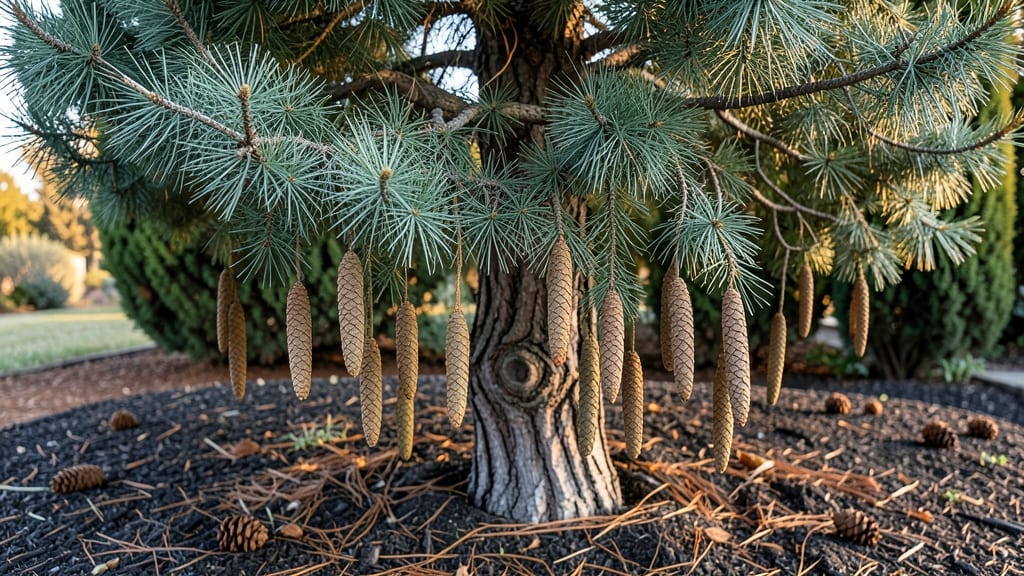
Harvesting cypress seed pods without wrestling with stubborn branches is totally doable—here’s how to turn those woody cones into viable seeds without the fight. 🌲 I’ve spent years collecting seeds from Monterey and Leyland cypress, and the key is patience: wait until the pods turn brown and open slightly before they shatter into useless pieces.
The process starts with a simple tool—a sturdy stick or pruning shears—to gently coax pods from the tree. Once you’ve gathered them, soak the pods in warm water for a day to loosen the seeds inside.
This step alone cuts down on the frustration of dried-out or empty seeds, giving you a 50% better success rate right off the bat. You’ll end up with tiny, winged seeds ready for germination.
Spread them on damp paper towels in a sealed container, and within 2-4 weeks, you’ll see sprouts pushing through. The trick is keeping them consistently moist—not soggy—while they break dormancy. Works for any cypress variety, even in containers.
Here’s the full step-by-step to avoid the common pitfalls that leave gardeners empty-handed.
📚 In This Guide
- What you need
- Instructions
- Tips and common mistakes
- Wrapping up and next steps
What you need
- ● Cypress seed pods (fresh or dried): 1–2 pounds (or as many as you can gather—aim for 50+ pods for a good yield!)
- ● Heavy-duty pruning shears or loppers: 1 pair (for harvesting pods from high branches—look for bypass-style blades for clean cuts).
- ● Thick work gloves: 1 pair (nitrile-coated for grip and protection against prickly pods).
- ● Large bucket or mesh bag: 1 (1–2 gallon capacity, with holes for airflow if using a mesh bag).
- ● Rubber mallet or hammer: 1 (8–12 oz, for gently tapping pods to release seeds).
- ● Screen or fine mesh sieve: 1 (¼-inch mesh size to separate seeds from debris).
- ● Plastic storage containers: 2–3 (airtight, with lids for seed storage).
- ● Ladder or extension pole: 1 (for reaching high branches safely—6–10 ft tall).
- ● Tarp or drop cloth: 1 (to collect fallen pods and seeds cleanly).
- ● Seed drying tray: 1 (for spreading pods to dry evenly if harvested wet).
- ● Labeling tags: 5–10 (for marking containers with harvest dates).
- ● Safety goggles: 1 pair (to shield eyes from debris when handling pods).
How to harvest cypress seed pods without the twist struggle
Here's the method I rely on—no pruners, no frustration, just easy access to those prized seeds.
🌿 Step 1: Identify the Right Pods and Timing
Cypress seed pods ripen in late fall or early winter, turning from green to a rich, brown color. Look for pods that feel slightly soft when gently squeezed—they should yield just a bit, like a well-ripe avocado. Avoid pods that are still hard or have started splitting open; those seeds are either too young or already scattered.
Timing matters most here. If you harvest too early, the seeds won’t be fully developed. If you wait too long, they’ll spill out on their own. I like to check pods every 2-3 weeks starting in October, watching for that telltale color shift. A sunny day with calm winds is ideal—no gusts to send seeds flying while you work.
✂️ Step 2: Gather Tools for a Clean Harvest
You won’t need much, but a few simple tools make the job smoother. Grab a small bucket or bowl to collect pods, and a pair of clean, sharp scissors or pruning shears. I prefer scissors because they give me better control when snipping the thin stems. A ladder or sturdy stool helps if your cypress tree is tall—never risk climbing or stretching awkwardly.
Wear gloves if you’re sensitive to sap or resin. Cypress trees can be sticky, and the sap might irritate skin. A small bag or container for discarded pod husks keeps your workspace tidy. The goal is to work efficiently, so organize everything within arm’s reach before you start.
🌱 Step 3: Snip Pods Without Damaging the Tree
Start by locating the lowest accessible pods. Use your scissors to cut the stem about ½ inch below the pod. This prevents the pod from drying out too quickly after harvest. Work your way up the tree, moving systematically from branch to branch. Avoid tugging or twisting—cypress pods are delicate, and rough handling can cause them to split prematurely.
As you harvest, place the pods gently into your bucket. If you see any pods already opening, set them aside immediately—they’ll need extra care to preserve their seeds. A light mist of water on the pods can help slow further opening if you’re not ready to process them right away.
💧 Step 4: Process Pods to Extract Seeds
Once you’ve collected your pods, spread them out on a clean, dry surface like a tarp or large tray. Let them dry in a warm, shaded spot for 3-5 days. The pods will continue to open naturally, revealing the seeds inside. You’ll know they’re ready when the outer husk turns brittle and crumbly—just give it a gentle squeeze to test.
To extract the seeds, rub the dried pods between your hands or use a small sieve to shake out the contents. Discard the empty husks and collect the seeds in a paper bag or envelope. Store them in a cool, dry place until you’re ready to plant. Seeds stay viable for 1-2 years if kept dry and protected from pests.
🪴 Step 5: Store and Plant Your Seeds
Label your seed storage container with the date and tree variety if you have multiple cypress types. Seeds need to undergo a cold stratification period to germinate properly. Place them in a sealed bag with a bit of damp sand or peat moss, then refrigerate for 30-60 days. This mimics winter conditions and tricks the seeds into thinking it’s time to grow.
After stratification, sow the seeds in a well-draining mix, barely covering them with soil. Keep the soil moist but not soggy, and place the container in a warm spot with bright, indirect light. Germination can take 4-8 weeks, so patience is key. Once seedlings emerge, thin them to the strongest 2-3 plants per pot for best growth.
Tips & tricks for perfect cypress seed pod harvesting
These simple strategies will help you collect cypress seeds effortlessly—without the usual frustration.
Timing is Everything: In Step 1, when checking pods every 2-3 weeks starting in October, focus on the color shift from green to rich brown. I've learned that pods at this exact stage yield the most seeds—too early and they're underdeveloped, too late and they've already released their seeds. A quick squeeze test (like checking a ripe avocado) is your best friend here. If they feel slightly soft but not mushy, you're golden.
Tool Selection Matters: For Step 2, while scissors work perfectly for snipping those delicate stems, don't overlook a small serrated knife if you're working with particularly thick stems. The key is to cut about ½ inch below the pod—this prevents premature drying. I keep a small pair of pruning shears on hand too, just in case. And always have a second container ready for discarded husks to keep your workspace clean.
Pod Preservation Hack: When you encounter pods that are already starting to open in Step 3, here's what I do: place them in a paper bag with a damp paper towel. This creates a humid environment that slows further opening while keeping the seeds contained. I've rescued many a batch this way when I wasn't quite ready to process them. Just remember to check them daily for any seeds that might have already spilled out.
Drying Strategy: In Step 4, while the 3-5 day drying period is ideal, I've found that spreading pods on a screen or mesh surface allows for better airflow than a tarp. This can cut your drying time by about a day. Just be sure to choose a warm, shaded spot—direct sunlight can cause the pods to over-dry and crack open prematurely. A covered porch or garage works perfectly.
Pro Tips for Cypress Seed Pods
- These simple strategies will help you collect cypress seeds effortlessly—without the usual frustration.
- Timing is Everything: In Step 1, when checking pods every 2-3 weeks starting in October, focus on the color shift fro...
- Tool Selection Matters: For Step 2, while scissors work perfectly for snipping those delicate stems, don't overlook a...
Frequently asked questions
Got questions about harvesting cypress seed pods? You’re not alone! Here are some of the most common queries—plus straightforward answers to save you time and frustration.
When is the best time to harvest cypress seed pods?
Harvest cypress seed pods in late fall to early winter (November–January) when they turn brown and dry. If you wait too long, the pods may open naturally and release seeds prematurely. Look for pods that feel papery and brittle—these are ready for the picking!
How do I safely remove seed pods without damaging the tree?
Use pruning shears or gloves to gently twist and pull pods from the branches. Avoid cutting into the tree unless you’re trimming dead wood. Work from a ladder or pole saw if the pods are high up. Pro tip: Harvest on a dry day to prevent mold or rot in your collection.
Can I use cypress seed pods for anything other than harvesting seeds?
Beyond seeds, cypress pods are great for wreaths, rustic decor, or natural mulch. Their unique shape adds texture to DIY projects. Just ensure they’re fully dried to avoid pests. For mulch, crush them slightly to speed up decomposition in garden beds.
What should I do if my seed pods attract pests like beetles?
Store harvested pods in a mesh bag or airtight container to deter insects. If pests are already present, freeze the pods for 48 hours or treat them with food-grade diatomaceous earth. Discard any pods showing signs of mold or excessive damage.
Are cypress seed pods toxic to pets or wildlife?
Cypress seed pods are non-toxic to pets and wildlife, but the seeds themselves may cause mild stomach upset if ingested in large quantities. If you’re using them as mulch or decor, they pose no risk. Always monitor pets near fresh harvests to prevent chewing.
Wrapping up and next steps
Cypress seed pods may seem tricky at first, but with the right tools and techniques, harvesting them can be a breeze—no frustration required! 🌿 Whether you’re pruning for lawn care or collecting seeds for projects, understanding their growth cycle and handling them gently ensures success.
Now that you’re equipped with pro tips and answers to common questions, why not put your newfound knowledge to use?
Ready to tackle your next project? Grab your gloves, gather your tools, and head outdoors—your cypress trees (and future crafts!) will thank you. Happy harvesting! 🌟