
Lawn
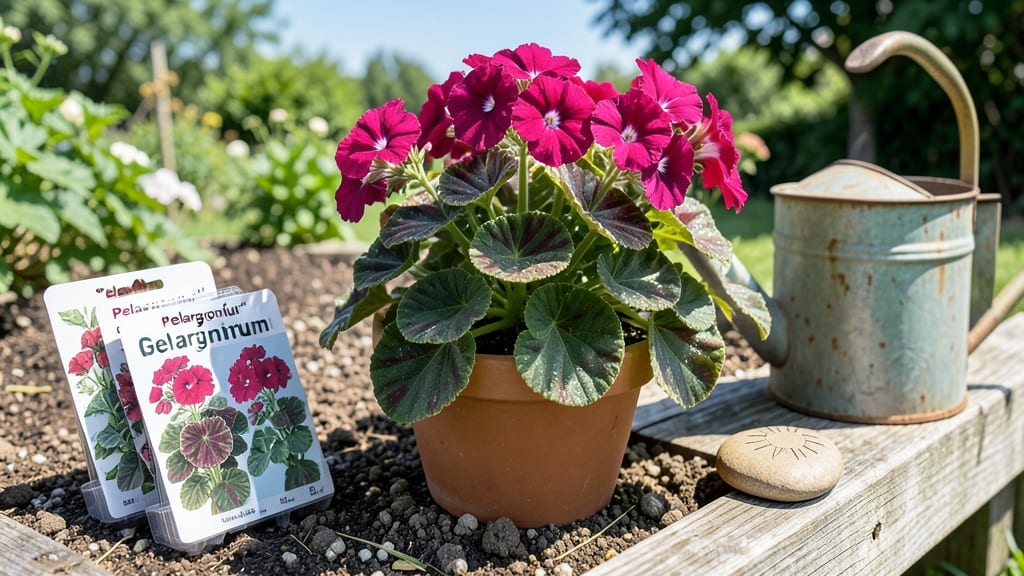
Mastering seed geranium care gives you blooms that last from spring to frost—if you nail the early stages. 🌱 The key difference between seed-grown plants and cuttings is patience: seeds take 10-14 days to germinate, but they reward you with hardier plants that bloom longer.
My first batch of seed geraniums nearly failed because I didn't keep the soil consistently moist during those critical first two weeks.
You'll need a sunny windowsill or grow light, seed-starting mix (not regular potting soil), and patience for slow starters. The biggest mistake beginners make is overwatering—geranium seeds rot before they sprout.
Once they break through, thin seedlings to 2 inches apart so they don't compete for light. These aren't fussy plants, but they do need bright light from day one.
By the time you transplant them outdoors, you'll have sturdy plants with deep green leaves ready to handle summer heat. The first blooms appear in just 8-10 weeks from seed, and with proper deadheading, they'll keep flowering until frost.
The scent of crushed leaves alone makes the effort worthwhile—it's that fresh, citrusy aroma that makes gardeners smile.
Works for both container gardens and in-ground planting, and the seeds stay viable for up to 3 years. Here's how to keep them thriving all season long without the fuss of cuttings.
📚 In This Guide
- What you need
- Instructions
- Tips and common mistakes
- Wrapping up and next steps
What you need
- ● Seed geranium packets – Choose disease-resistant varieties like Pelargonium × hortorum for best results.
- ● Seed-starting mix – A lightweight, well-draining blend (e.g., 50% peat moss, 30% perlite, 20% vermiculite).
- ● Seed trays or small pots – 2-3 inch containers (biodegradable pots work too!).
- ● Grow lights or sunny windowsill – 6-8 hours of light daily for seedlings.
- ● Misting spray bottle – For gentle watering to avoid disturbing seeds.
- ● Fertilizer (balanced, water-soluble) – 10-10-10 or 20-20-20 (use at half-strength).
- ● Transplanting tools – Small trowel or spoon for moving seedlings.
- ● Well-draining garden soil or potting mix – Amend with compost for nutrients.
- ● Heat mat – Speeds up germination (ideal for cooler climates).
- ● Plant labels – Track varieties if growing multiple types.
- ● Pruning shears – For shaping and encouraging bushier growth.
- ● Slow-release fertilizer pellets – Reduces frequent feeding.
- ● Decorative containers – Hanging baskets or colorful pots for aesthetics.
Step-by-step instructions for growing geraniums from seed
Here’s how to coax those delicate geranium seedlings into thriving, long-blooming plants with just a little patience.
🌱 Step 1: Start Seeds Indoors at the Right Time
Geranium seeds need warmth to germinate, so I start them indoors 8-10 weeks before your last frost date. This gives them time to grow strong before outdoor planting. Use small seedling trays or individual pots with drainage holes—crowded seedlings lead to weak stems that flop later.
Fill the containers with a light, sterile seed-starting mix (never garden soil). Moisten it until damp but not soggy—you want it to hold shape when squeezed, not drip water. Scatter seeds on the surface since they need light to germinate. Press them lightly into the soil so they make contact but don’t bury them deeper than ⅛ inch. A gentle mist from a spray bottle keeps them moist without washing them away.
💧 Step 2: Provide Warmth and Humidity for Germination
Place the trays in a warm spot, ideally 70-75°F. A seedling heat mat speeds things up by keeping the soil consistently warm. Cover the containers with plastic wrap or a humidity dome to trap moisture—geranium seeds need steady dampness to sprout. Check daily for condensation; if you see water droplets, remove the cover for 30 minutes to prevent mold.
Germination takes 14-21 days, so patience is key. Once sprouts appear, remove the cover immediately to prevent damping-off—a fungal disease that turns seedlings to mush overnight. Keep the soil lightly moist (not wet) by watering only when the top ¼ inch feels dry. Avoid overhead watering; instead, water at the base to keep leaves dry.
☀️ Step 3: Give Seedlings Bright Light and Prevent Legginess
Geranium seedlings stretch toward light like little sun-worshippers. Place them under grow lights (14-16 hours daily) or in the brightest window you have. If they grow leggy—tall, spindly stems with leaves far apart—your light isn’t strong enough. Move the light closer (2-3 inches above the tallest seedling) or supplement with a grow bulb.
Rotate the trays a quarter turn daily so seedlings grow straight instead of leaning. Once they have 2-3 sets of true leaves (not the first tiny cotyledons), fertilize lightly with a half-strength balanced fertilizer (like 10-10-10). This jumpstarts their growth without burning tender roots. Harden them off 1-2 weeks before transplanting by gradually moving them outside for longer periods.
🪴 Step 4: Transplant Outdoors After Frost
Wait until nighttime temperatures stay above 50°F before moving geraniums outside. Choose a spot with full sun (6+ hours daily)—they’ll bloom best with plenty of light. Space seedlings 12-18 inches apart in well-draining soil. If your garden soil is heavy clay, mix in compost to improve drainage; geraniums hate soggy roots.
Water deeply at transplanting to settle the soil, then let the top 1-2 inches dry out between waterings. Mulch around the base with 1-2 inches of organic mulch (like shredded bark) to retain moisture and suppress weeds. Pinch back the tips of young plants to encourage bushier growth—this is where you’ll see those classic geranium mounds take shape.
✂️ Step 5: Prune and Deadhead for Continuous Blooms
Geraniums reward regular care with nonstop flowers. After the first flush of blooms, deadhead spent flowers by snipping off the faded blossoms just above a set of leaves. This redirects energy to new growth instead of seed production. I also cut back leggy stems in early summer to promote fresh, compact growth.
Fertilize every 4-6 weeks with a low-nitrogen, high-phosphorus formula (like 5-10-5) to boost blooming. If leaves yellow between waterings, you’re overwatering—geraniums prefer dry spells. In fall, if your climate stays mild, trim back plants by ⅓ to tidy them up for winter. With proper care, your seed-grown geraniums will give you year-round color with minimal effort.
Tips & tricks for perfect seed geranium care
These little tricks will help you grow hardy, blooming geraniums that look like they came from a nursery—without the nursery price tag.
Timing is Everything: Mark your calendar 8-10 weeks before your last frost date and set reminders for each step. I use a garden journal to track when I start seeds, when they germinate, and when they're ready to transplant. This prevents rushing or delaying critical stages—especially that 14-21 day germination window where patience pays off big time.
Lighting Solutions: If your seedlings start stretching toward the window (that "leggy" look), you're not alone—most homes don't have windows bright enough for geraniums. I keep mine under 14-16 hours of grow lights daily, positioned just 2-3 inches above the tallest seedling. Rotate trays daily so they grow straight, not lopsided. For budget options, try LED grow bulbs—they're energy-efficient and last years.
Soil Science: That ⅛ inch depth for seeds might seem shallow, but geranium seeds need light to germinate. Use a fine seed-starting mix that holds moisture without compacting. Pro tip: Mix in a bit of perlite (about 10% of the total volume) to improve drainage and prevent that dreaded seedling rot. And never reuse soil from previous batches—old soil harbors diseases.
Transplanting Hack: When moving seedlings outdoors, harden them off gradually over 1-2 weeks by placing them outside for progressively longer periods each day. I start with just 30 minutes in morning sun and work up to full sun exposure. This toughens their skins and prevents transplant shock. Also, water them thoroughly the night before moving to reduce stress.
Pro Tips for Seed Geranium Care
- These little tricks will help you grow hardy, blooming geraniums that look like they came from a nursery—without the ...
- Timing is Everything: Mark your calendar 8-10 weeks before your last frost date and set reminders for each step. I us...
- Lighting Solutions: If your seedlings start stretching toward the window (that "leggy" look), you're not alone—most h...
Frequently asked questions
Got questions about keeping your seed geraniums thriving? You’re not alone—these vibrant plants have a few quirks! Here are the answers to the most common concerns, so you can enjoy nonstop blooms without the guesswork.
When is the best time to plant seed geraniums?
Seed geraniums thrive when planted after the last frost date in spring, once soil temps hit at least 55°F (13°C). If you’re in a warm climate, you can also sow them in early fall for winter blooms. Avoid planting too early—they hate cold, wet soil and may rot.
How long does it take for seed geraniums to bloom?
Patience pays off! From seed, expect 8–12 weeks until your first flowers appear. For faster results, opt for transplants (they’ll bloom in 6–8 weeks). Keep soil consistently moist and fertilize lightly every 2–3 weeks to speed up the process.
Why aren’t my seed geraniums blooming?
No flowers? Check these fixes:
- Not enough light: Move to a sunny spot (6+ hours/day)—they crave sunlight for blooms.
- Over-fertilizing: Too much nitrogen = leafy growth, no flowers. Switch to a low-nitrogen, high-phosphorus fertilizer.
- Deadheading missed: Snip spent blooms to encourage new flowers.
- Stress: Check for pests (aphids, spider mites) or root-bound pots.
Can seed geraniums survive winter?
In cold climates (USDA Zones 8 and below), geraniums are annuals—they’ll die back in frost. For year-round color, dig up tubers in fall, trim foliage, and store them in a cool, dry place (like a garage). Replant in spring! In mild zones, they may return if mulched heavily.
What’s the easiest way to propagate seed geraniums?
No need to buy new plants! Take 4–6 inch stem cuttings in spring or early summer:
- Snip just below a leaf node with clean scissors.
- Remove lower leaves, dip in rooting hormone (optional but helpful).
- Plant in moist potting mix and cover with a plastic bag to retain humidity.
- Keep in bright, indirect light until roots form (2–4 weeks).
Now you’ve got free, identical plants with the same stunning blooms!
Wrapping up and next steps
Caring for seed geraniums is simpler than you think—and the reward is stunning, year-round blooms that brighten any garden or container! With the right balance of sunlight, well-draining soil, and occasional pruning, these cheerful plants thrive with minimal fuss.
Whether you’re a seasoned gardener or just starting out, your efforts will pay off in vibrant petals and lush foliage.
Ready to watch your geraniums flourish? Grab your shears, check that soil moisture, and enjoy the process—your garden (and pollinators!) will thank you. Start planting or troubleshoot with our FAQs to keep those blooms coming all season long! 🌸