
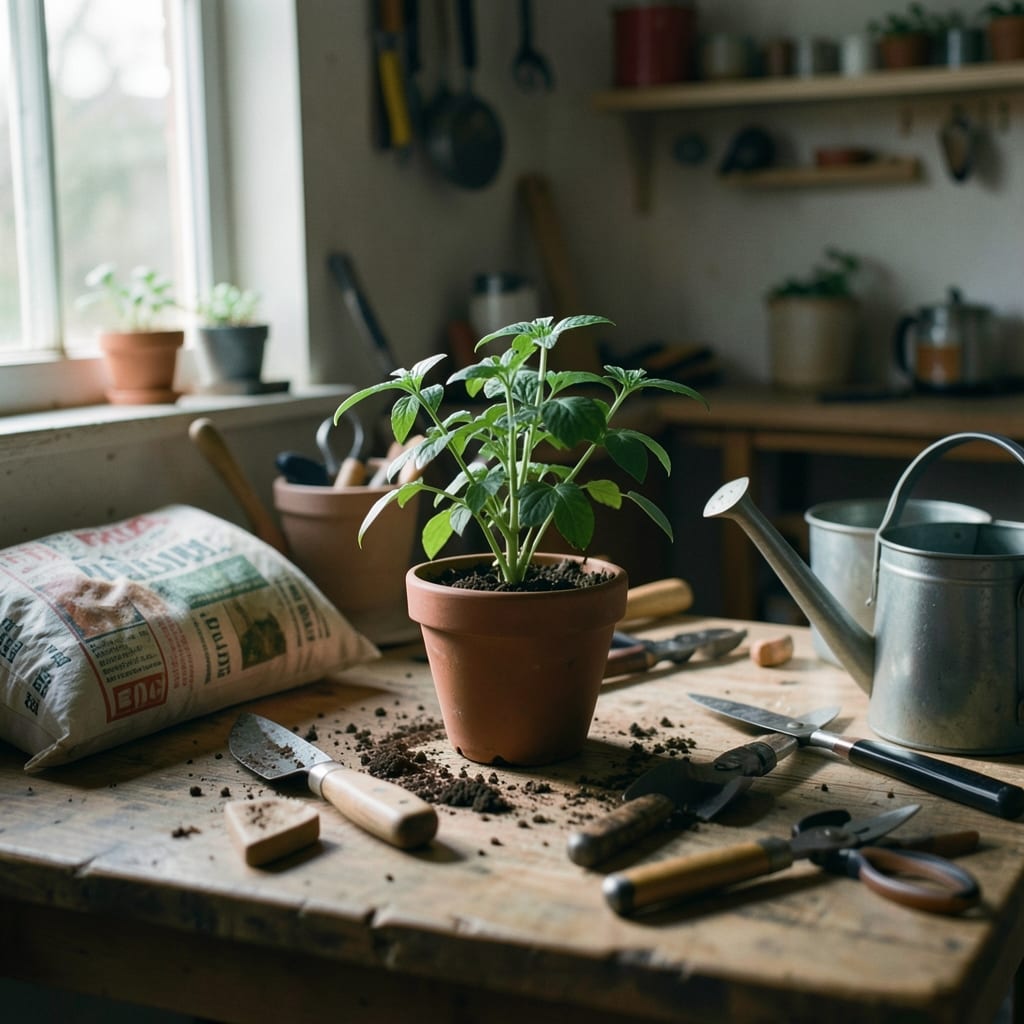
What this work is made with
This page is a list of things, not a story. Gardening lives in the soil, the hands that shape it, and the tools that wear down over time. Here, we name what holds the work together—not to explain it, but to show it.
This is *Seed Patch*, where every sprout tells its own story. We grow plants, not just recipes for growing. The things you’ll meet here are what turn seeds into soil, and soil into something alive.
The things that do the work
Four objects shape what you’ll read: a trowel worn smooth by years of digging, a wooden seedling tray cracked from too many starts, a rusted watering can with a handle that bends, and a garden stone that’s been used as a makeshift marker for decades. None of them are perfect.
All of them are necessary.
The trowel
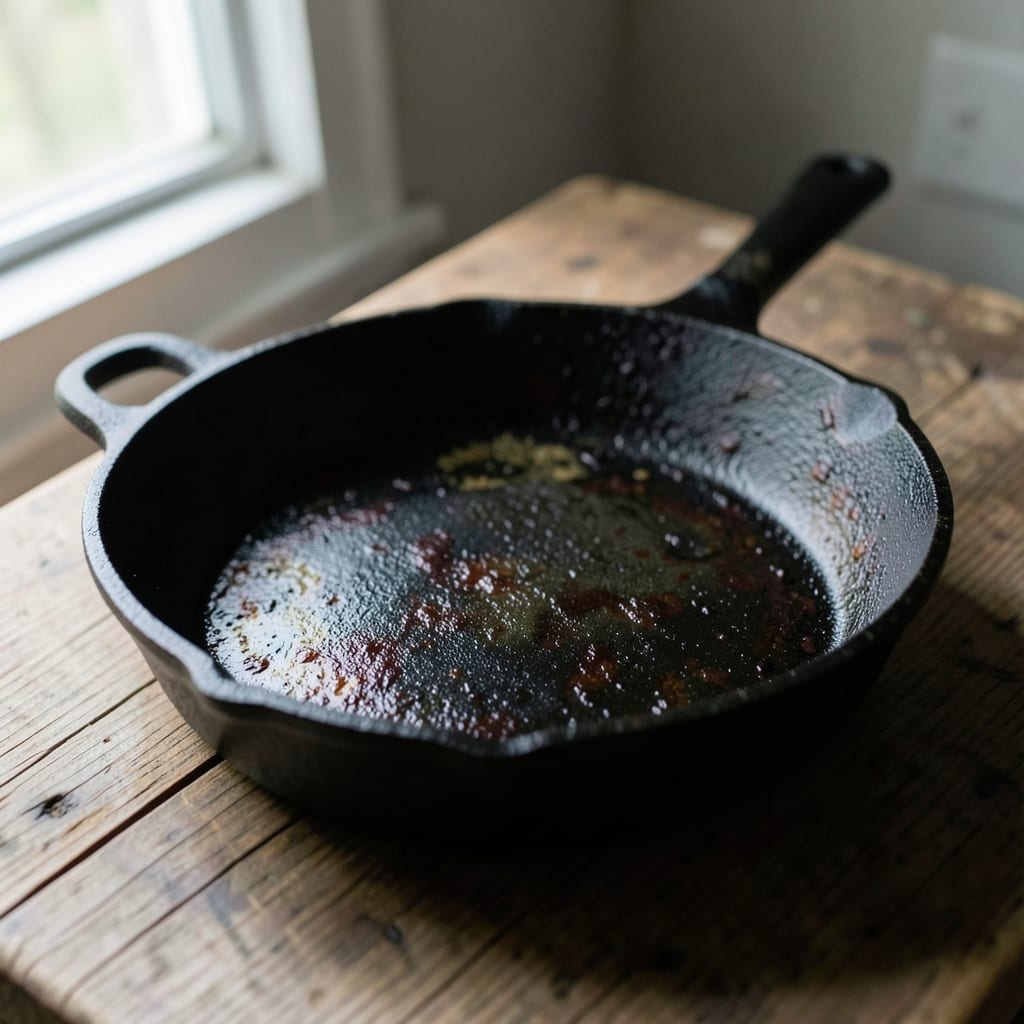
A three-inch stainless-steel blade with a wooden handle, bought secondhand in 1998. The wood is split down the grain from years of being dropped, and the blade is nicked from digging through rocks.
It taught us that no tool lasts forever—but the right one makes the work feel lighter. This one has turned 10,000 clods of soil without breaking, even when we were too impatient to use the right one.
The seedling tray
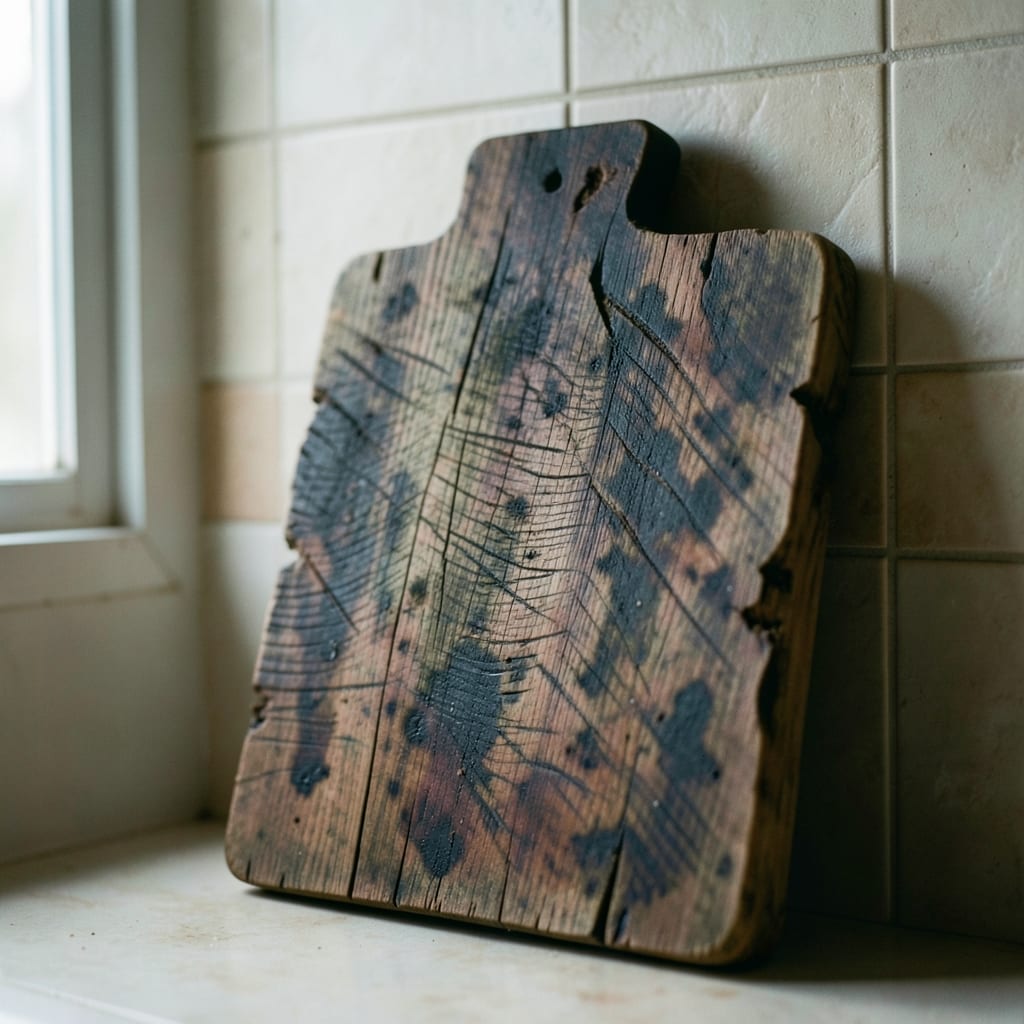
A 24-cell wooden tray, warped and split along one edge. It’s held together with duct tape and hope, and the cracks let water pool in the bottom cells. We’ve tried replacing it three times.
It proved that some failures are just waiting to happen—and that’s okay. The tray’s flaws mean we’re more careful with seedlings now. The ones that survive are tougher for it.
The watering can
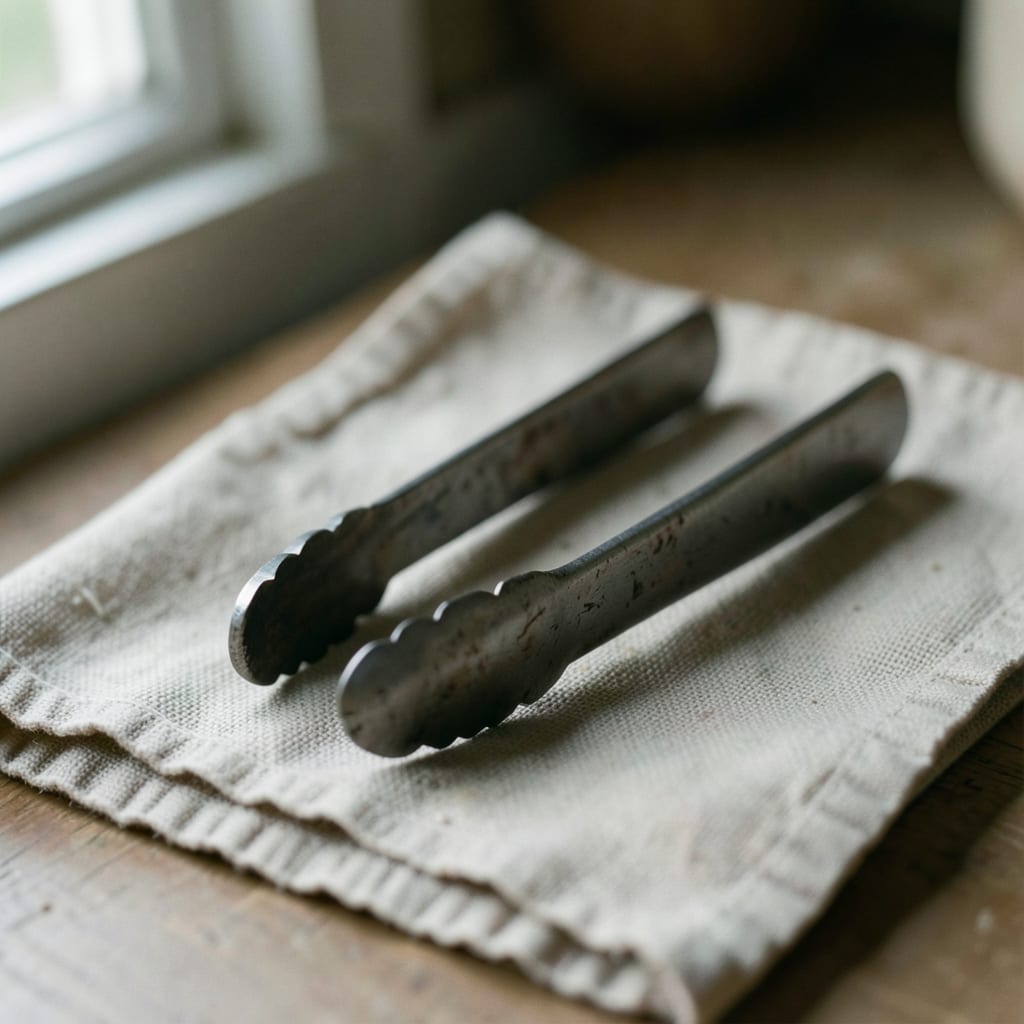
A 2-gallon galvanized steel can with a bent handle and a spout that drips. The paint is long gone, and the metal is pitted from years of sitting in the rain. It’s been here since 2002.
It showed us that precision matters more than perfection. The bent handle means we water slower, which keeps the soil from washing away. And the drip? That’s just part of the ritual now.
The garden stone
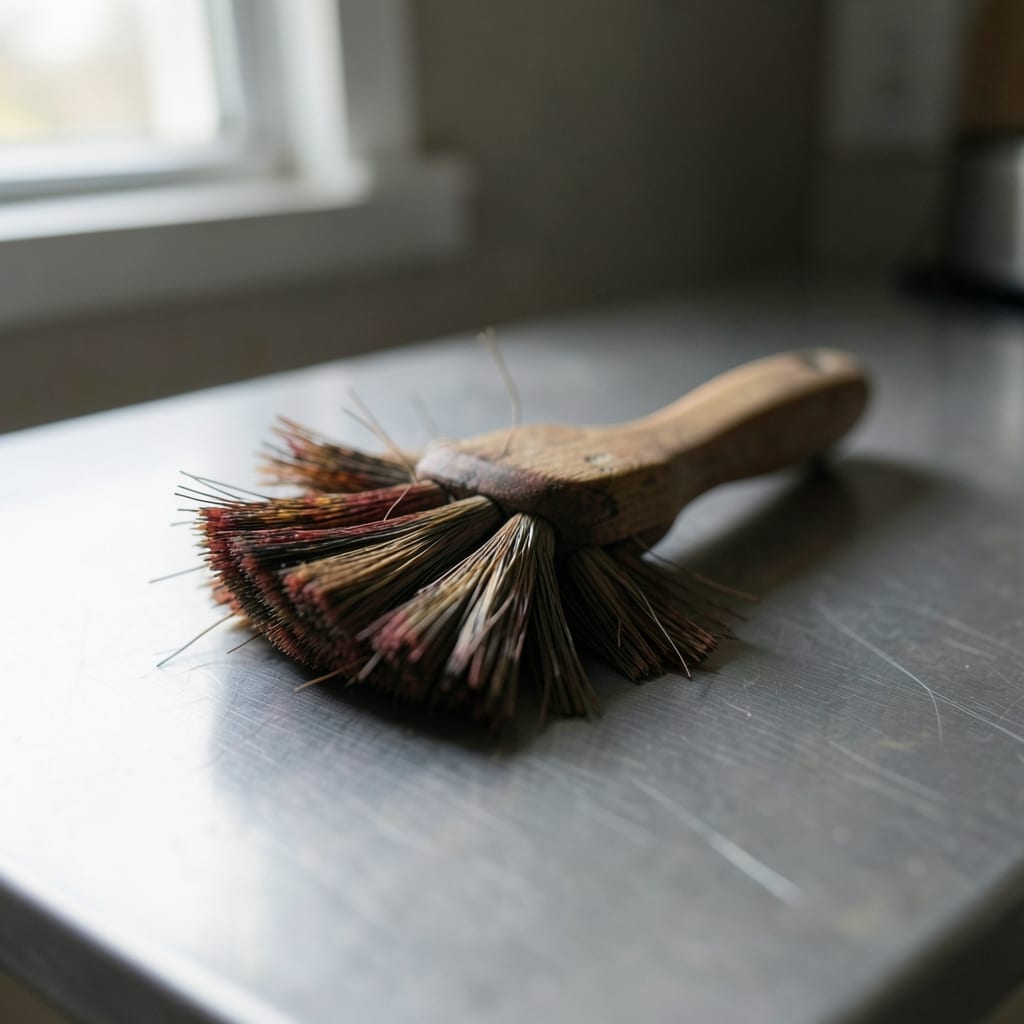
A flat limestone slab, roughly the size of a dinner plate. It’s been used as a stepping stone, a plant marker, and once, briefly, as a cutting board. The edges are rounded from decades of being kicked by boots.
It reminded us that some tools don’t need to be fancy. This stone has marked more tomato plants than we can count, and it’s never wavered. Neither should our advice.
What is not in the drawer
This work does without a few things—by choice, not by accident.
Deliberately absent
- A soil pH meter. We test pH the old way: by eye and by memory, and by watching what grows.
- A pruning shears with a laser-guided blade. We use what we have, even if it’s a pair of scissors and a lot of patience.
- A greenhouse. Some of the best lessons come from failing in the open, under the sky.
- A ‘perfect’ garden. The messier the better—it’s where the stories start.
Behind the scenes

I’m Dwight Ortega, the one who still gets dirt under my nails no matter how many times I wash my hands. I’m the founder and editor of *Seed Patch*, which means I’m the one who decides whether the tomato plants go in the ground in May or June—or if we’re just going to let them sulk on the windowsill for another week.
I came to this from my grandfather’s backyard in Albuquerque, where he grew chiles so hot they could make your eyes water just by looking at them. He handed me a trowel when I was six and never took it back.
This work has given me calluses on my palms, a permanent ache in my lower back, and the habit of noticing which way the wind blows before I plant anything. I used to be able to tell time by the position of the sun in the garden.
Now I just know when it’s time to water by how the soil feels.
I’m here to tell you what actually works—not what looks good in a magazine, or what some expert says on a podcast.
I’m the one who’s going to tell you when to ignore the seed packet’s planting depth, or how to save a wilting basil plant by giving it a haircut. I’m the voice that says, ‘Yes, you can grow that—here’s how.’
Why any of this matters to you
These things—the worn tools, the imperfect soil, the lessons learned the hard way—are why the advice here feels real. We don’t grow plants in a lab. We grow them in the dirt, with the same mistakes and triumphs you will.
Every page here is shaped by the same hands that turned this soil, the same eyes that noticed the first green shoot poking through the mulch. You’ll read about failures as much as successes, because that’s where the learning happens.
If you’re here because you want to grow something—even if it’s just a single herb on a windowsill—you’re in the right place. The contact page is where you tell us what you’re trying to grow next.
Every guide here is written with the tools you actually have, not the ones you wish you had. You’ll find no ‘foolproof’ methods—just what works, what fails, and how to tell the difference before you dig your first hole.
The guides are grouped by category: Advice, Aphids, Blooming, Companion Plants, Container Gardens and Diseases.