
Propagation
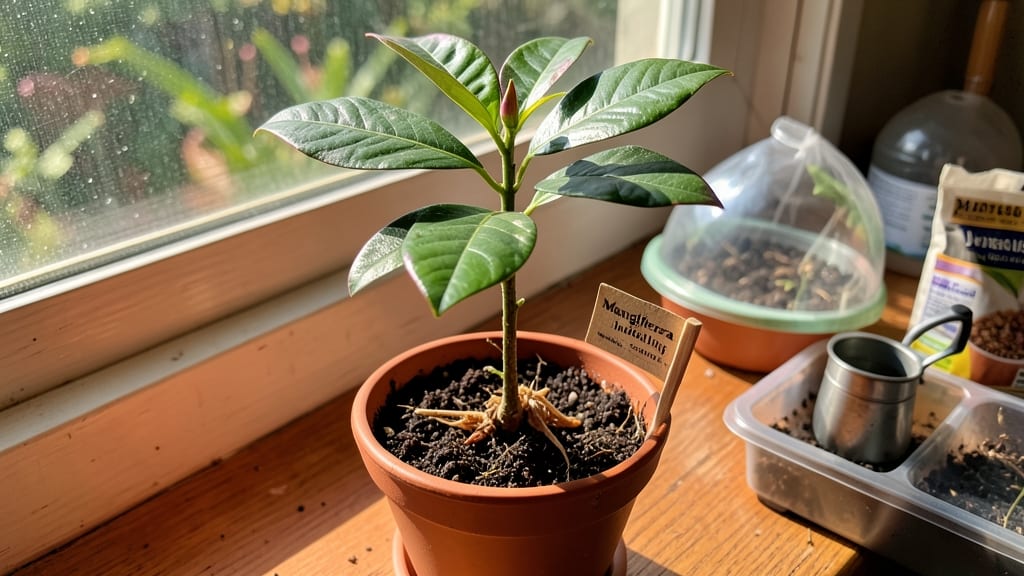
Growing a mango tree from seed indoors lets you nurture a tropical treasure year-round. 🌱 The journey starts with a single seed—one that could grow into a 10-foot plant in just six months, with the right care.
I’ve watched my own seedling sprout dark green leaves and reach for the light, proving that even apartment dwellers can grow something exotic. You’ll need a ripe mango, patience, and a sunny spot—no fancy equipment required.
The seed germinates in about 2-4 weeks, and the first true leaves signal the real adventure begins. Water lightly, keep it warm, and soon you’ll have a lush, fast-growing sapling that thrives indoors.
By month six, your seedling could be 2-3 feet tall, with sturdy branches ready for pruning. The real magic? This isn’t just a houseplant—it’s a living piece of the tropics, with glossy leaves that feel like velvet and a future full of potential fruit (even if it takes years).
When spring arrives, you’ll decide whether to keep it indoors or transition it outside. Either way, you’ve already won—because growing from seed means you’ve created something truly unique.
📚 In This Guide
- What you need
- Instructions
- Tips and common mistakes
- Wrapping up and next steps
What you need
- ● Mango seed: 1 fresh, viable seed (from a ripe, organic mango—avoid hybrid varieties if you want true fruit later).
- ● Small pot (3–4 inches in diameter): 1–2 pots with drainage holes (plastic or terracotta).
- ● Well-draining potting mix: 1 bag of seed-starting mix or a blend of 50% peat moss and 50% perlite/sand (sterilized).
- ● Watering can or spray bottle: 1 with a fine mist setting.
- ○ Plastic wrap or humidity dome: 1 sheet or cover to retain moisture (optional but helpful for germination).
- ● Grow lights or sunny windowsill: Access to 6–8 hours of indirect light daily (south-facing window or LED grow lights).
- ● Scissors or knife: 1 pair for carefully slicing the seed’s hard shell (if needed).
- ● Fertilizer: 1 bottle of balanced liquid fertilizer (5-5-5 or 10-10-10) (diluted to half-strength).
- ○ Humidity tray (optional): 1 shallow tray + pebbles for extra moisture control.
- ○ Thermometer (optional): 1 to monitor soil temp (ideal: 75–85°F for germination).
- ● Larger pot (1–2 gallons): 1 for transplanting once the seedling sprouts (after 3–6 months).
Step-by-Step instructions for growing a mango tree from seed indoors
Here's how to start your tropical adventure with just a seed and patience.
🌱 Step 1: Prepare the Seed for Faster Germination
Start by washing the mango seed thoroughly under warm water to remove any pulp. The sticky residue can slow germination. I like to soak the seed in lukewarm water for 24-48 hours—this softens the hard outer shell and speeds up the process. Place it in a small container with enough water to cover it completely.
After soaking, gently rub the seed between your fingers to loosen the skin. You'll see the seed soften slightly, and the shell will feel less rigid. This step is crucial because mango seeds have a tough outer coating that can delay sprouting by weeks. Once prepped, you're ready to plant.
🪴 Step 2: Plant the Seed in a Moist, Well-Draining Medium
Use a small container with drainage holes—3-4 inches deep is perfect for starting. Fill it with a mix of 50% potting soil and 50% perlite or coarse sand to ensure good drainage. Mango seeds rot easily if kept too wet, so this balance is key.
Plant the seed 1 inch deep, with the pointed end facing up. Press the soil gently around it to secure it in place. Mist the soil lightly with water until it feels evenly moist but not soggy. Place the container in a warm spot—75-85°F is ideal—like on top of a refrigerator or near a sunny window.
💧 Step 3: Maintain Warmth and Moisture Until Germination
Keep the soil consistently moist by watering lightly every 2-3 days, or whenever the top inch feels dry. Use a spray bottle to avoid disturbing the seed. Germination can take 2-6 weeks, so patience is key. You'll know it's working when you see a small sprout breaking through the soil.
During this time, cover the container loosely with plastic wrap to retain humidity, but remove it once the sprout appears. Too much moisture can cause rot, so always check the soil before watering. A seedling heat mat can also help if your home runs cooler.
☀️ Step 4: Provide Bright, Indirect Light for Early Growth
Once the seedling emerges, move it to a location with bright, indirect light. A south-facing window works well, but avoid direct sunlight, which can scorch tender leaves. If you notice the seedling stretching toward the light with long, thin stems, it needs more intensity.
After 4-6 weeks, when the seedling reaches 6 inches tall, you can gradually introduce it to morning sunlight for a few hours. This hardening process strengthens the plant. Rotate the pot weekly so the seedling grows straight and doesn't lean toward the light.
✂️ Step 5: Transplant and Prune for Stronger Growth
When the seedling has 3-4 true leaves and is 8-10 inches tall, it's time to transplant into a slightly larger pot—6-8 inches deep. Use a well-draining potting mix and water thoroughly after planting. Prune any yellow or damaged leaves to encourage new growth.
Pinch off the top set of leaves when the plant reaches 12 inches to encourage bushier growth. This step is often skipped, but it helps the tree develop a stronger structure. Keep the soil moist but not waterlogged, and continue providing bright, indirect light.
🌿 Step 6: Care for Long-Term Indoor Growth
As your mango tree grows, repot it every 1-2 years into a container 2-3 inches larger than the current one. This prevents root-bound stress. Fertilize lightly with a balanced, water-soluble fertilizer every 2 months during the growing season (spring and summer).
Watch for pests like spider mites or aphids—wipe leaves with a damp cloth if you spot any. With proper care, your indoor mango tree can grow 6-10 feet tall over a few years. While it may not bear fruit indoors (it needs tropical heat and outdoor conditions for that), the journey is rewarding all on its own.
Tips & tricks for growing a mango tree indoors
Here's what I learned after watching my first mango seedling grow from a tiny sprout to a thriving houseplant.
Soaking Secret: Don't rush the 24-48 hour soak in Step 1—this is where the magic happens. Place the seed in a small jar with just enough lukewarm water to cover it completely. You'll notice the seed softens noticeably after 24 hours, which is when it's ready to plant. Pro tip: Change the water halfway through if it gets cloudy from the seed's natural oils. This prevents bacterial growth that could delay germination.
Medium Matters: The 50/50 mix of potting soil and perlite/sand in Step 2 is non-negotiable for indoor mango trees. I've seen beginners use regular garden soil and end up with rotten seeds within days. Test your mix by squeezing it gently—it should hold its shape but crumble easily when touched. If it sticks together like clay, add more perlite. This balance prevents those dreaded black, mushy seeds that never sprout.
Germination Timeline: Those 2-6 weeks in Step 3 can feel like forever, but there's a trick to speed things up. After planting, place your container in a clear plastic bag (like a gallon-sized zip-top) to create a mini greenhouse effect. This maintains consistent humidity without overwatering. Check daily for condensation on the bag—if it's dripping, you've got too much moisture. Remove the bag once you see the first tiny sprout poking through the soil.
Light Transition: The 4-6 week mark in Step 4 is critical for your seedling's future health. When you start introducing morning sunlight, do it gradually—begin with just 30 minutes of direct light and increase by 30 minutes each week. I've seen seedlings get sunburned when moved too quickly from indirect to full sun. Look for leaves that turn yellow or develop white patches as warning signs you're moving too fast.
Pro Tips for Grow A Mango Tree From Seed Indoors
- Here's what I learned after watching my first mango seedling grow from a tiny sprout to a thriving houseplant.
- Soaking Secret: Don't rush the 24-48 hour soak in Step 1—this is where the magic happens.
- Medium Matters: The 50/50 mix of potting soil and perlite/sand in Step 2 is non-negotiable for indoor mango trees.
Frequently asked questions
Got questions?
Growing a mango tree from seed indoors is exciting, but it’s natural to wonder about timing, care, and challenges. Here are answers to the most common queries to keep your tropical journey on track!
How long does it take for a mango seed to sprout indoors?
A mango seed typically sprouts within 2–4 weeks if kept warm (70–85°F) and moist. Patience is key—some seeds take up to 6 weeks! Place the seed in a humid environment (like a plastic bag with small holes) to speed up germination. Once the sprout emerges, it’s time to transition to soil!
Will my indoor mango tree ever produce fruit?
Probably not in the first few years! Mango trees grown from seed are unpredictable—they may take 5–10 years (or never) to bear fruit. For faster results, consider grafting a fruiting variety onto your seedling later. Even if it doesn’t fruit, enjoy the lush, tropical foliage as a decorative houseplant!
What’s the best temperature for an indoor mango seedling?
Mango seedlings thrive in warmth (65–85°F). Avoid drafts or cold windowsills—below 50°F can stunt growth. Use a heat mat (for germination) or place near a sunny window. If your home gets chilly, a grow light can supplement natural light during winter months.
Can I grow a mango tree from store-bought mango seeds?
Store-bought mango seeds work just like fresh ones, but choose ripe, organic mangoes (avoid hybrid varieties like ‘Keitt’—they’re less likely to sprout). Rinse the seed to remove pulp, then follow the same soaking and planting steps. Pro tip: Save seeds from heirloom or tropical varieties (like ‘Alphonso’ or ‘Kent’) for better success!
Why is my mango seedling wilting or turning yellow?
Yellowing leaves or wilting often signal overwatering, underwatering, or poor drainage. Check the soil—it should stay moist but not soggy. Ensure the pot has drainage holes and use a well-draining mix (cactus/succulent soil works well). If pests (like spider mites) are present, wipe leaves with neem oil or insecticidal soap.
How big can an indoor mango tree grow?
With proper care, an indoor mango tree can reach 6–10 feet tall, but it’ll need pruning to stay manageable. Use support stakes as it grows and trim leggy branches to encourage bushiness. If space is limited, keep it as a dwarf variety (like ‘Cogshall’) or prune aggressively to maintain height.
Bonus Tip: Label your seedling!
Mango trees from seed can vary wildly—some grow fast, others stay small. Keep track of its progress with a plant marker (include the mango variety and planting date). This helps troubleshoot issues and celebrate milestones!
Wrapping up and next steps
Growing a mango tree from seed indoors is a rewarding journey that blends patience, care, and a touch of tropical magic! 🌱 With the right conditions—like proper soil, sunlight, and a little love—you’ll watch your tiny seed transform into a thriving sapling in just 6 months.
While it may take years to bear fruit, the process itself is pure joy, and every green leaf is a victory.
Ready to take the next step? Start by transplanting your sapling outdoors (if climate permits) or keep nurturing it indoors until it’s strong enough to thrive in a garden. Share your progress with fellow plant enthusiasts—your green thumb is inspiring! 🌟