
Planting
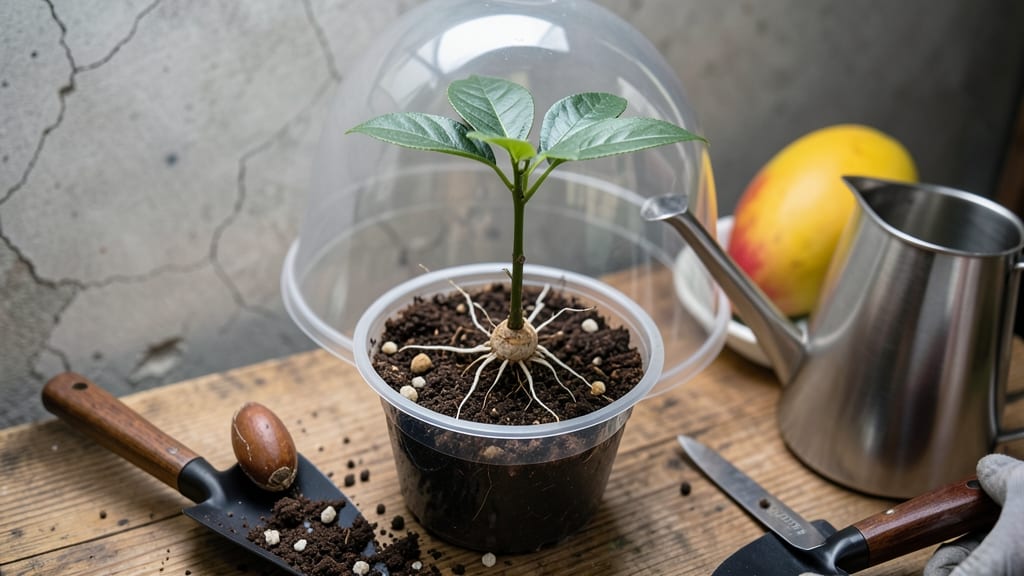
Planting a mango seed in soil is the first step toward growing your own tropical fruit tree—though it takes years of patience before you see that first harvest. 🌱 The secret to success isn’t rushing germination but creating the right conditions for a strong start, even if it takes months for those first leaves to appear.
Start with a well-draining potting mix (regular garden soil won’t work) and a small container with drainage holes. The seed needs warmth—think 75-85°F—so place it in a sunny spot or near a heat mat.
Plant the seed halfway into the soil, pointy side up, and keep it lightly moist but never soggy. Germination can take 2-6 months, so don’t give up if nothing happens right away.
Once sprouted, your mango seedling will grow slowly at first, but with proper care—bright light, occasional fertilizer, and repotting as it outgrows its container—it can reach 10 feet tall in 5-10 years.
The real reward? A tree that might one day produce fruit, even if it takes decades. Patience is the key here.
If your seed doesn’t sprout, don’t blame yourself—many mango seeds are sterile or slow to germinate. Try again with a fresh seed, and remember: even if this one fails, the process itself is part of the adventure. Tropical fruit trees are a long-term project, but the journey is worth it.
📚 In This Guide
- What you need
- Instructions
- Tips and common mistakes
- Wrapping up and next steps
What you need
- ● Mango seed: 1 fresh, plump seed (preferably from a ripe, organic mango for best results). Pro tip: 💡 Let it dry slightly for 1-2 days after removing it from the fruit to prevent mold.
- ● Well-draining potting mix: 1 small pot (6-8 inches in diameter) filled with a blend of: 60% coconut coir or peat moss
- ● 30% perlite or vermiculite
- ● 10% compost or worm castings
- ○ Small pot or seed tray: With drainage holes (4-6 inches deep). Optional: A plastic cup with holes poked in the bottom works in a pinch!
- ● Watering can or spray bottle: For gentle hydration (avoid soaking the soil).
- ○ Plastic wrap or clear lid: To create a mini greenhouse effect (optional but helpful for humidity).
- ● Bright, indirect light source: A sunny windowsill (south-facing is ideal) or a grow light for 6+ hours/day.
- ● Patience! 🌱 Germination can take 2-6 weeks—don’t rush it!
- ● Seedling heat mat: Keeps soil warm (70-80°F) to speed up germination.
- ● Fertilizer: A balanced, water-soluble fertilizer (diluted to half-strength) once the seedling sprouts its first true leaves.
- ● Humidity dome or terrarium: For extra moisture retention if your home is dry.
- ● Labeled marker or tag: To track planting dates and care notes.
- ● Second pot: For transplanting once the seedling grows 2-3 inches tall.
Step-by-step instructions for planting mango seeds in soil
Here’s how to turn that grocery-store pit into a thriving seedling—no fancy equipment needed.
🌱 Step 1: Prepare the Mango Seed for Planting
Start by cleaning the seed thoroughly under lukewarm water to remove any pulp clinging to the surface. I like to rub it gently with my fingers to avoid damaging the seed coat. This step is crucial because leftover fruit can attract pests or rot before germination.
Next, place the seed between two paper towels and dampen them until they feel moist but not dripping. Fold the towels around the seed and secure them with a rubber band. Store the wrapped seed in a ziplock bag and place it in a warm spot—like on top of the fridge or near a sunny window. Check daily, misting the towels if they dry out. You’ll see a tiny root emerge in about 10-14 days.
🪴 Step 2: Choose and Prepare the Planting Container
Fill a small pot—at least 4 inches deep—with a lightweight, well-draining potting mix. I avoid garden soil because it compacts too easily and can suffocate young roots. Add a handful of perlite or coarse sand to improve drainage, mixing it in until the soil looks fluffy and airy.
Make a small hole in the center of the soil, about 1 inch deep. Once your seedling’s root is about 1 inch long (usually after 2-3 weeks of pre-sprouting), gently place it into the hole with the root pointing downward. Cover it lightly with soil, pressing down just enough to hold it in place but not compacting the mix.
💧 Step 3: Water and Provide Ideal Growing Conditions
Water the soil gently until it’s evenly moist but not soggy. I use a spray bottle for the first few days to avoid displacing the seed. Place the pot in a location with bright, indirect light—a south-facing window works well, but avoid direct sunlight, which can scorch the delicate seedling.
Keep the soil consistently moist by checking the top inch daily. If it feels dry, water lightly again. Maintain a warm environment around 75-85°F for the first few weeks. You’ll notice the first true leaves appear in about 4-6 weeks, signaling that your seedling is thriving.
☀️ Step 4: Gradually Acclimate to Sun and Outdoor Conditions
Once the seedling has 3-4 sets of leaves and reaches about 6 inches tall, it’s time to introduce it to outdoor conditions. Start by placing it outside in a shaded area for 1-2 hours the first day. Over the next week, gradually increase its time outside, moving it to a spot with morning sun and afternoon shade.
After about 2 weeks of hardening off, you can transition the seedling to full sun for a few hours a day. Watch for signs of stress like wilting or yellowing leaves—these mean it’s adjusting too quickly. With patience, your mango seedling will develop a strong root system and be ready for a permanent pot or garden spot in about 3-4 months.
Tips & tricks for planting mango seeds in soil
Here's what nobody tells you about giving your mango seed the best possible start.
Germination Speed: The 10-14 days for root emergence is just an average—some seeds sprout in 7 days, others take 21. Don't rush it! If you're impatient, place the ziplock bag with your seed in a warm spot near a sunny window (not direct sunlight) and check daily. Consistency is key—keep those paper towels damp but never soggy.
Root Length Check: In Step 2, when you're waiting for that 1-inch root, resist the urge to pull the seed out early. A root that's only ½ inch long will still work, but it's more fragile. I've found that if you wait until it's at least ¾ inch, the seedling handles transplanting much better. This small patience pays off in stronger growth.
Container Size Matters: That 4-inch deep pot recommendation is non-negotiable for the first year. Mango seeds need room to grow roots downward before they can support top growth. If you're feeling ambitious, you can start with a 6-inch pot—just make sure it has drainage holes. The extra space gives roots room to establish before you'll need to repot.
Lighting Troubleshooting: If your seedling isn't thriving after 4-6 weeks, it might be getting too much direct sunlight. Mango seedlings are tropical babies—they prefer bright but indirect light. If you notice yellowing leaves or crispy edges, move it back a foot from the window. A grow light on a timer (12 hours on, 12 hours off) works wonders if natural light is limited.
Pro Tips for Plant Mango Seed In Soil
- Here's what nobody tells you about giving your mango seed the best possible start.
- Germination Speed: The 10-14 days for root emergence is just an average—some seeds sprout in 7 days, others take 21. ...
- Root Length Check: In Step 2, when you're waiting for that 1-inch root, resist the urge to pull the seed out early. A...
Frequently asked questions
Got questions about growing mango trees from seeds? You’re not alone! Here are answers to the most common queries to help you succeed:
How long does it take for a mango seed to sprout?
A mango seed typically takes 2–4 weeks to sprout after planting, depending on temperature and moisture. Keep the soil consistently damp (not soggy) and place it in a warm spot (70–85°F) for the best results. Patience is key—some seeds may take longer!
Can I plant a mango seed directly in the ground?
While possible, it’s riskier outdoors due to unpredictable weather and pests. Start seeds indoors in pots with well-draining soil, then transplant seedlings after they’ve grown 6+ inches tall. This gives them a stronger head start!
Will a mango tree grown from seed produce fruit?
Yes, but it may take 5–10 years (or longer) and the fruit won’t match the parent tree’s quality. Mango trees grown from seeds are unpredictable—size, taste, and ripening time can vary. For reliable fruit, grafted trees are better.
Why is my mango seed rotting instead of sprouting?
Overwatering or poor drainage are the usual culprits. Ensure your seed is planted in moist but not waterlogged soil and use a pot with drainage holes. If mold appears, let the soil dry slightly before watering again.
Can I use a dried mango seed from a store?
Fresh seeds (from ripe, organic mangoes) germinate best. Store-bought seeds may be too dry—soak them in warm water for 24–48 hours to rehydrate before planting. Avoid seeds treated with preservatives, as they may not sprout.
What’s the best temperature for germinating mango seeds?
Mango seeds thrive in warmth (70–85°F). Use a seedling heat mat or place the pot near a sunny window. Avoid cold drafts—seeds may rot or fail to sprout if temperatures drop below 60°F.
Wrapping up and next steps
Planting a mango seed is a rewarding journey that connects you to nature’s sweet surprises!
With the right soil, patience, and care, you can nurture a tiny seed into a thriving sapling—even if it takes years to bear fruit. Don’t let the wait discourage you: every step, from soaking to transplanting, builds your green thumb and brings you closer to that first mango harvest.
Ready to take the next step? Monitor your seedling’s growth, protect it from pests, and soon, you’ll be pruning a plant that could one day gift you with juicy, sun-ripened mangoes. 🌱✨ Happy planting—your future mango tree is counting on you!