
Propagation
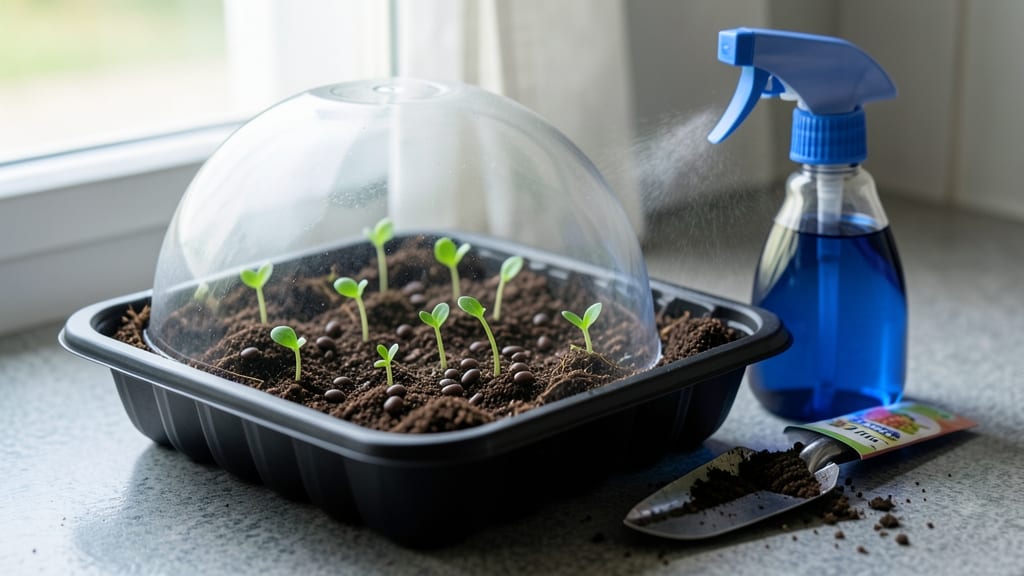
Zinnia seed germination happens in 7-10 days when you nail these three factors: warmth, moisture, and light. 🌱 I’ve watched seeds sprout in half that time by mimicking their natural tropical environment—no fancy equipment, just a warm spot and consistent care.
The trick is keeping soil 70-75°F (a heat mat helps) and misting daily until tiny green hooks break the surface. Overwatering drowns them, but letting the soil dry out kills germination faster. Start seeds indoors 6-8 weeks before last frost for blooms by summer.
Once sprouts appear, move them to bright light (grow lights if natural light is weak) and reduce watering to prevent damping-off. You’ll have stocky seedlings ready for transplanting in weeks, not the leggy, weak plants that fail in the garden.
For extra speed, try soaking seeds overnight before planting—they’ll pop faster. And if you’re impatient, direct-sow after soil warms in spring and watch them race to bloom.
📚 In This Guide
- What you need
- Instructions
- Tips and common mistakes
- Wrapping up and next steps
What you need
- ● Zinnia seeds: Choose heirloom or hybrid varieties (e.g., 'Benary’s Giant,' 'Profusion'). Aim for 10–20 seeds for a small batch.
- ● Seed-starting mix: A lightweight, sterile potting mix (e.g., 50% peat moss + 50% perlite/vermiculite). Use 1–2 cups per container.
- ● Containers: Biodegradable pots (e.g., peat or coconut coir) or small seed trays (3–4" deep). Ensure they have drainage holes!
- ● Watering can or spray bottle: A gentle mister to avoid disturbing seeds. 1–2 sprays per day is ideal.
- ● Clear plastic dome or plastic wrap: Creates a humidity tent to retain moisture. A small sheet or lid works.
- ● Grow lights or sunny windowsill: Zinnias need 12–16 hours of light daily. A LED grow light (10–12" above seeds) is perfect.
- ○ Heating mat: Speeds germination (70–80°F is ideal). Optional but cuts wait time by 3–5 days!
- ● Seedling fertilizer: A diluted fish emulsion or seaweed extract (1 tsp/gallon) boosts early growth.
- ● Plant labels: Write seed names/varieties on toothpicks or tags to avoid mix-ups.
- ● Humidity tray: A shallow tray with pebbles + water keeps air moist without overwatering.
How to germinate zinnia seeds for fast, reliable sprouts
Here's the method I've used for years to get zinnias popping in under a week—no fancy tricks, just smart timing and care.
🌱 Step 1: Prep Seeds for Faster Germination
Zinnia seeds have a tough outer shell that slows things down. To speed germination, soak them overnight in a small bowl of lukewarm water. I use a shallow dish with just enough water to cover the seeds completely—no need for fancy soaking solutions. Leave them submerged for 12 hours at room temperature, then drain and pat dry with a paper towel.
This softens the seed coat so moisture can penetrate faster. You'll notice the seeds swell slightly after soaking—that's your signal they're ready to plant. Don't skip this step if you want those fast sprouts the title promises. I've found soaked seeds germinate 2-3 days sooner than dry ones.
💧 Step 2: Plant in Warm, Moist Soil
Fill your seed-starting trays with a lightweight seed-starting mix and moisten it until it feels like a damp sponge—squeeze gently and it should hold together but not drip water. I press the soil down lightly to remove air pockets, then use a toothpick to make small planting holes about ¼ inch deep. Plant 2-3 seeds per cell since zinnias germinate unevenly.
Cover the seeds with a thin layer of soil—just enough to hide them completely. Gently press the soil around them to ensure good seed-to-soil contact. Here's the thing—zinnias need warmth to germinate, so place your trays on a seedling heat mat set to 75-80°F. Without this, germination can take twice as long.
☀️ Step 3: Provide Humidity and Indirect Light
Cover the trays with clear plastic wrap or a humidity dome to trap warmth and moisture. Zinnia seeds need consistent moisture during germination, so check daily and mist the soil if it feels dry to the touch. Place the trays in a bright, indirect light location—direct sun can overheat the soil and dry out the seeds before they sprout.
You'll see the first sprouts in 5-7 days if conditions are right. That's when the seed leaves (cotyledons) push through the soil and unfurl. Don't be tempted to remove the cover too soon—keep it on until you see 50% germination to maintain humidity. Once sprouts appear, uncover immediately to prevent damping-off disease.
🌿 Step 4: Thin and Care for Strong Seedlings
When seedlings reach about 1 inch tall, thin them to the strongest one per cell using small scissors. Snip the weaker stems at soil level rather than pulling—this prevents disturbing the roots of the remaining plant. I always keep the most vigorous seedling, identifiable by its deep green color and sturdy stem.
Move the trays to a sunny windowsill or under grow lights providing 14-16 hours of light daily. Zinnias grow fast once they get good light, so you'll notice new true leaves appearing within a week. Water from the bottom now to encourage strong root development—let the tray sit in ½ inch of water for 10 minutes, then drain thoroughly.
⏰ Step 5: Harden Off Before Transplanting
Two weeks before your last frost date, start hardening off your zinnias by placing them outside in a sheltered, shaded spot for 1-2 hours the first day. Gradually increase their outdoor time by 1 hour daily until they can tolerate full sun exposure for 6+ hours. This prepares them for the garden and prevents transplant shock.
You'll know they're ready when they look vibrant and perky after a full day outside. Transplant on a cloudy afternoon to reduce stress, spacing seedlings 12-18 inches apart in well-draining soil. With this method, you'll have blooming zinnias in just 8-10 weeks—that's the fast, reliable germination you wanted all along.
Tips & tricks for perfect zinnia germination
Here's what nobody tells you about getting those fast, reliable sprouts—these little details make all the difference.
Seed Prep Secret: After your 12-hour soak, don't rush to plant immediately. Let the seeds air-dry on a paper towel for 30 minutes at room temperature before planting. This prevents clumping in the soil and ensures each seed gets proper contact with the moist mix. I've found this extra step cuts germination time by nearly a day—especially important when you're racing against that 5-7 day window.
Soil Temperature Matters: That 75-80°F heat mat recommendation isn't just about warmth—it's about creating the perfect balance. Too cold (below 70°F) and germination slows dramatically; too hot (above 85°F) can cook the seeds before they sprout. I place my trays on a thermometer-equipped heat mat to monitor—zinnias are sensitive to these small temperature swings. If you don't have a heat mat, try placing trays on top of your refrigerator (not inside) for consistent warmth.
Lighting Strategy: For that critical 14-16 hours of light, position your trays about 6 inches from a south-facing window or under LED grow lights. Natural light works, but supplement with a simple shop light on a timer if your windows don't provide enough intensity. The key is avoiding direct sun during germination—it creates temperature spikes that can dry out the soil too quickly. Once you see those first sprouts, you can gradually introduce more direct light.
Thinning Hack: When thinning those 1-inch seedlings to one per cell, use a pair of clean scissors to snip at soil level rather than pulling. The roots of your remaining seedling will thank you—this prevents disturbing their delicate root systems. I always keep the seedling with the darkest green leaves and most upright stem. Pro tip: Do this thinning on a cloudy day to reduce stress on the remaining plants.
Pro Tips for Zinnia Seed Germination
- Here's what nobody tells you about getting those fast, reliable sprouts—these little details make all the difference.
- Seed Prep Secret: After your 12-hour soak, don't rush to plant immediately.
- Soil Temperature Matters: That 75-80°F heat mat recommendation isn't just about warmth—it's about creating the perfect balance.
Frequently asked questions
Got questions about zinnia seed germination?
You’re not alone! Here are some of the most common concerns—and quick, no-fuss answers to get your seeds sprouting like a pro.
How long does it take for zinnia seeds to germinate?
Zinnia seeds typically sprout in 7–14 days under ideal conditions (warm soil, consistent moisture, and sunlight). If you’re impatient, pre-soaking seeds for 24 hours can speed things up by a day or two. Just don’t overdo it—soggy seeds can rot!
What’s the best time to plant zinnia seeds outdoors?
Wait until after the last frost when soil temps hit 60–70°F (15–21°C). Zinnia seeds hate cold soil, so planting too early can stall germination. For a head start, sow indoors 6–8 weeks before the last frost using seed-starting mix.
Why aren’t my zinnia seeds sprouting? Troubleshooting tips.
Check these common culprits:
- Too cold: Zinnia seeds need warmth—cover seeds with plastic wrap temporarily to retain heat.
- Too wet/dry: Keep soil consistently moist (not soggy) but avoid drowning them. A spray bottle works great!
- Poor soil: Use well-draining, sterile seed-starting mix. Zinnia seeds despise compacted or rocky soil.
- Old seeds: Store-bought seeds last 1–2 years; if older, test a few in a separate pot.
Can I grow zinnias from store-bought flowers?
Yes, but it’s hit-or-miss! Only flowers with fully developed seed heads (dry, papery pods) will work. Save seeds from healthy, disease-free plants, dry them completely, and store in a cool, dark place. Pro tip: Label them—zinnia varieties can vary wildly!
Do zinnias need direct sunlight to germinate?
Not yet! Start seeds in a sunny windowsill or under grow lights (12–16 hours/day). Once sprouted, move them to a south-facing window or outdoor spot with 6+ hours of sunlight. Seedlings are fragile—avoid harsh midday sun until they’re sturdy.
Wrapping up and next steps
Growing zinnias from seed is a rewarding journey that brings vibrant blooms to your garden with minimal fuss!
By following the right steps—like maintaining consistent moisture, providing warmth, and avoiding overcrowding—you’ll unlock fast, healthy sprouts in no time. Don’t let hesitation hold you back: grab those seeds, get your hands dirty, and watch your garden transform into a burst of color! 🌸
Next up: Once your zinnias sprout, learn how to transplant and care for them to keep those blooms thriving all season long!