
Planting
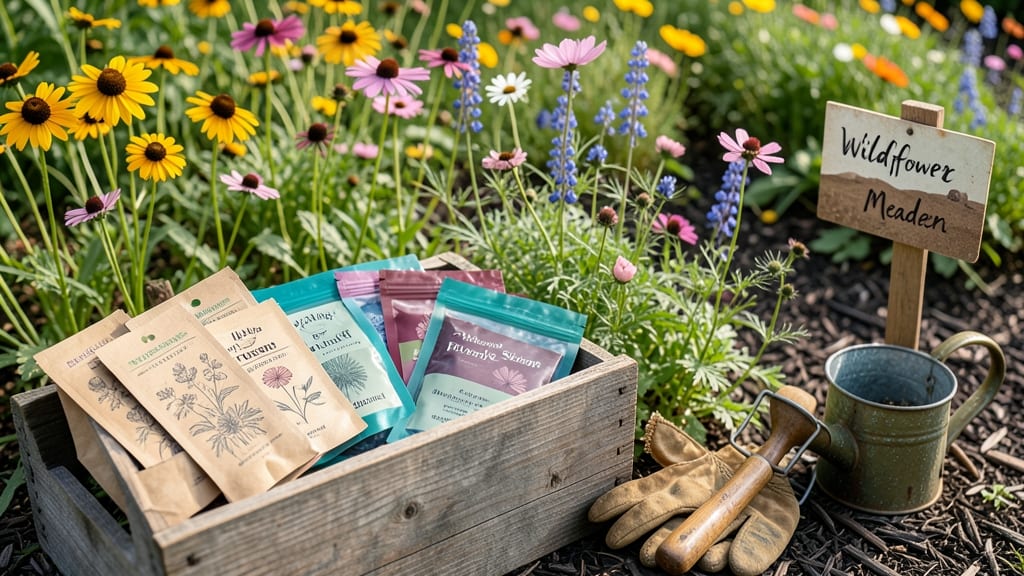
Wildflower seed packets transform bare soil into a buzzing pollinator paradise in just a few weeks. 🌸 I’ve planted mine in spring and fall, and the difference between a patch of dirt and a vibrant meadow is shocking—especially when hummingbirds and bees start visiting by early summer.
The secret isn’t complicated: rake the soil lightly, scatter seeds thinly (they’re tiny!), and keep them moist until sprouts appear. Most packets include a mix of native species, which means less watering and more resilience once established.
My first attempt had uneven coverage, but I learned to use a simple stencil trick for even distribution. By late summer, you’ll have tall stalks of coneflowers, delicate clover, and golden black-eyed Susans swaying in the breeze. The best part?
Once the roots take hold, these flowers need almost no care—just occasional deadheading to keep them blooming longer. Works in sunny spots, along fences, or even in large containers. Here’s how to make it effortless!
📚 In This Guide
- What you need
- Instructions
- Tips and common mistakes
- Wrapping up and next steps
What you need
- ● Wildflower seed packets – Choose native species for your region (e.g., Black-eyed Susan, Purple Coneflower, or Milkweed). Aim for 1–3 packets (covering ~50–100 sq. ft. per packet).
- ○ Garden soil or compost – 2–3 inches of loose, well-draining soil per planting area. Mix in compost (optional but recommended) for nutrients.
- ● Watering can or hose – A gentle spray nozzle helps avoid displacing seeds.
- ● Rake or hoe – A lightweight hand rake (with fine tines) works best for preparing soil.
- ○ Gloves (optional but handy) – Protect your hands from thorns or prickly stems.
- ● Seed spreader – For even distribution (especially useful for larger areas).
- ● Mulch or straw – Lightly cover seeds with ¼ inch of mulch to retain moisture (skip if seeds need light to germinate).
- ● Stakes or markers – Label varieties if planting multiple types.
- ● Sunlight tracker – Check your space’s sunlight hours (most wildflowers need 6+ hours/day).
- ● Patience (and a notebook!) – Track planting dates and germination progress.
How to plant wildflower seed packets for a thriving pollinator garden
Turn your outdoor space into a buzzing haven with these simple steps—no green thumb required.
🌱 Step 1: Choose the Right Location and Prepare the Soil
Wildflowers thrive in sunny spots, so pick an area that gets at least 6 hours of direct sunlight daily. Avoid shady corners where flowers will stretch thin and fail to bloom. Clear away weeds and debris, then loosen the top 2-3 inches of soil with a rake or hoe—this helps roots establish without competition.
If your soil feels compacted or clay-heavy, mix in 1 inch of compost to improve drainage. You'll know it's ready when the surface crumbles easily between your fingers. Real talk: wildflowers are tough, but they'll perform best in soil that lets water drain freely—no soggy patches here.
💧 Step 2: Scatter Seeds Evenly and Lightly Cover
Open your wildflower seed packet and pour the seeds directly onto the prepared soil. Don’t worry about spacing—these seeds are designed to self-sow and spread naturally. For 4 packets, aim to cover about 100 square feet of ground. Scatter them like confetti, then gently rake the soil to press seeds into the surface—just enough so they make contact but aren’t buried.
Here’s the thing—wildflower seeds need light to germinate, so avoid burying them deeper than ¼ inch. A light dusting of soil or a thin layer of mulch is enough. Water the area lightly with a spray nozzle until the soil feels evenly moist, but not soaked. Overwatering now can wash seeds away or create a crust that blocks germination.
☀️ Step 3: Water Consistently Until Germination
Keep the soil moist but not soggy for the first 2-4 weeks—this is when seeds sprout. You’ll know you’re on track when tiny green shoots appear, usually within 7-14 days depending on your climate. Water in the morning so moisture has time to absorb before evening, and avoid wetting the leaves once seedlings emerge.
I like to use a gentle misting can to avoid disturbing the delicate sprouts. Once seedlings reach 2-3 inches tall, you can reduce watering to just 1 inch per week. Wildflowers are drought-tolerant, but consistent moisture early on ensures strong roots. Don’t skip this—skipping water now means weaker plants later.
✂️ Step 4: Let Nature Take Over (Minimal Maintenance)
After germination, wildflowers need almost no care. Let them grow tall and wild—this is how they attract the most pollinators! If weeds start to crowd out your flowers, pull them by hand when the soil is damp (they’ll come out easier). Avoid fertilizers—wildflowers thrive in lean soil and don’t need extra nutrients.
Once flowers bloom, you can deadhead spent blooms to encourage more flowers, but this is optional. The real magic happens when you step back and let the ecosystem do its thing. Watch for butterflies, bees, and hummingbirds—they’ll find your garden faster than you can say “pollinator paradise.”
🪴 Step 5: Enjoy and Expand Next Season
In late fall or early winter, leave the seed heads on a few plants to dry and collect seeds for next year’s garden. Wildflowers self-sow beautifully, so you’ll likely see new volunteers popping up in spring without any effort. If you want to expand, simply scatter more seeds in new areas—no replanting needed!
Here’s where it gets fun: take photos of your pollinator visitors and share them with neighbors. Wildflower gardens spread like wildfire (literally) when people see how easy and rewarding they are. Your garden will keep giving back for years with minimal upkeep.
Tips & tricks for stress-free wildflower planting
These simple tricks will help you avoid common pitfalls and create a thriving pollinator garden with minimal effort.
Sunlight Secret: That 6-hour sunlight requirement in Step 1 is non-negotiable for most wildflower mixes. If your spot only gets partial sun, choose shade-tolerant varieties like black-eyed Susans or coreopsis—they'll still bloom beautifully. I've planted in 4-hour sun areas before, but the flowers were smaller and less vibrant. Trust me on this: the more sun, the better the show!
Soil Prep Pro Tip: When loosening that top 2-3 inches of soil in Step 1, think of it like fluffing a pillow—you want roots to have room to breathe. If your soil is particularly hard, rent a rototiller for 30 minutes instead of trying to dig by hand. The extra effort now means stronger plants later. And that 1 inch of compost? Don't skimp—it's the difference between a garden that thrives and one that just survives.
Seed Scattering Strategy: For Step 2, I like to mix my seeds with a little sand first—it helps them spread more evenly when I scatter. This prevents clumps that could lead to overcrowding. Also, if you're planting in windy conditions, consider laying down a lightweight mesh (like old window screen) to hold seeds in place until you can water them. The last thing you want is your hard work blowing away before germination!
Watering Wisdom: That 2-4 week watering window in Step 3 can feel like forever, but consistency is key. I set a reminder on my phone for morning watering to avoid forgetting. Pro tip: use a rain gauge to measure your 1 inch per week—it's shocking how much water people overestimate! And when those seedlings reach 2-3 inches, you'll notice they develop deeper roots that can handle dry spells much better than if you'd skipped the early watering.
Pro Tips for Wildflower Seed Packets
- These simple tricks will help you avoid common pitfalls and create a thriving pollinator garden with minimal effort.
- Sunlight Secret: That 6-hour sunlight requirement in Step 1 is non-negotiable for most wildflower mixes.
- Soil Prep Pro Tip: When loosening that top 2-3 inches of soil in Step 1, think of it like fluffing a pillow—you want roots to have room to breathe.
Frequently asked questions
Got questions about growing wildflowers from seed packets? You’re not alone! Here are answers to the most common queries to help you create a thriving pollinator paradise with ease.
When is the best time to plant wildflower seed packets?
Timing depends on your climate! For most regions, late summer to early fall (August–October) is ideal—seeds germinate in cool weather and establish roots before winter. In warm climates, fall or winter planting works best, while spring planting is a backup option (just water consistently). Check your packet for region-specific tips!
How much water do wildflower seeds need after planting?
Keep soil consistently moist (not soggy) for the first 2–4 weeks—this encourages germination. After sprouts appear, reduce watering to 1–2 times per week (unless drought strikes). Once established, wildflowers are drought-tolerant! Pro tip: Use a gentle spray nozzle to avoid washing seeds away.
Will wildflower seed packets attract bees and butterflies immediately?
Not right away! Most wildflowers take 6–12 weeks to bloom, depending on the variety. Once mature, they’ll explode with pollinator activity. For faster results, mix annuals (like cosmos or sunflowers) with perennials—they’ll bloom early and keep bees buzzing while slower growers catch up.
Can I plant wildflower seeds in containers or just gardens?
Wildflowers thrive in containers, window boxes, or raised beds—just use well-draining soil and a depth of at least 6–8 inches. For pollinators, place containers near sunny, wind-protected spots. Bonus: Hanging baskets with trailing flowers (like nasturtiums) add vertical interest and attract hummingbirds!
What should I do if my wildflower seeds don’t sprout?
Don’t panic! Try these fixes:
- Check moisture: Seeds need consistent dampness (not mud).
- Verify sunlight: Most wildflowers crave full sun (6+ hours/day).
- Scratch the soil: Lightly rake or scratch seeds into soil if they’re too deep.
- Wait longer: Some seeds (like poppies) germinate slowly—up to 3 months!
Wrapping up and next steps
Transforming your space into a vibrant pollinator paradise with wildflower seed packets is easier—and more rewarding—than you think! 🌸 From choosing the right seeds to nurturing your garden with minimal effort, every step brings you closer to supporting bees, butterflies, and hummingbirds while adding beauty to your surroundings.
Whether you’re a beginner or a seasoned gardener, the key is to start small, stay consistent, and enjoy the process.
Ready to take the next step? Grab those seed packets, mark your calendar for planting, and watch your garden bloom into a thriving ecosystem. Your pollinators—and your future self—will thank you! 🐝🌿