
Propagation
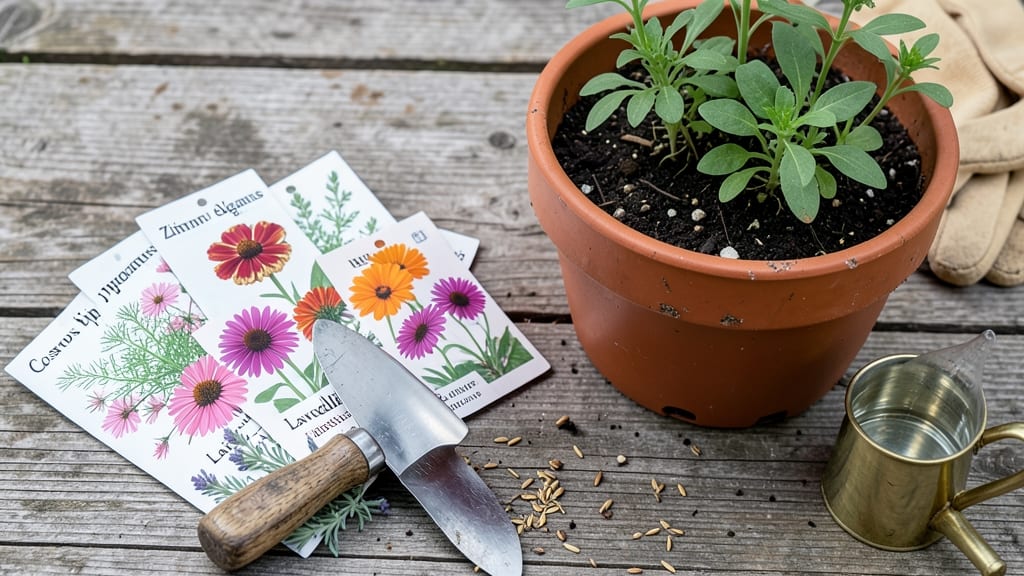
Growing wildflowers from seed in pots lets you create a buzzing pollinator haven without needing a yard. 🌸 I started with just three small containers on my balcony, and within weeks, bees and butterflies turned it into their favorite stop.
The secret isn't fancy equipment—it's choosing the right seeds, containers, and a little patience.
You'll need lightweight containers with drainage holes, a mix of potting soil and sand for airflow, and seeds labeled for your climate zone. Plant them shallow—just press them into the soil since wildflower seeds need light to germinate.
Water gently but keep the soil moist until sprouts appear, then let it dry slightly between waterings.
By midsummer, you'll have a vibrant display of blooms that attract hummingbirds, bees, and butterflies—all from seeds that cost pennies. The key is giving them enough sunlight (at least 6 hours daily) and avoiding overwatering, which is the #1 killer of young seedlings.
Once established, these pots can stay indoors through mild winters or be tucked away until spring. The best part? Every year, some seeds self-sow, giving you free plants for next season's pollinator party.
📚 In This Guide
- What you need
- Instructions
- Tips and common mistakes
- Wrapping up and next steps
What you need
- ● Wildflower seeds: Choose native or pollinator-friendly varieties (e.g., cosmos, black-eyed Susans, or milkweed). Aim for 1–2 teaspoons per pot (adjust based on seed size).
- ● Containers: Pots with drainage holes (4–6" diameter for small wildflowers, 8–12" for larger varieties). Terracotta, plastic, or fabric grow bags all work!
- ● Potting mix: Lightweight, well-draining soil blend (e.g., 50% peat moss/coco coir + 50% perlite or sand). Avoid heavy garden soil.
- ● Drainage material: Small pebbles, broken pottery, or mesh (place a ½-inch layer at the pot’s bottom).
- ● Watering can or spray bottle: Gentle watering avoids displacing seeds.
- ● Trowel or spoon: For mixing soil and sowing seeds.
- ○ Plant labels (optional): Mark varieties if growing multiple types.
- ○ Fertilizer (optional): Low-dose, organic fertilizer (e.g., fish emulsion) for nutrient boosts.
- ○ Grow lights or sunny spot (optional): If indoors, provide 6+ hours of light daily.
- ● 💡 Pre-soak seeds (if not pre-treated) for 12–24 hours to speed germination.
- ● 🌡️ Keep soil moist but not soggy—wildflowers hate “wet feet.”
- ● ✨ Thin seedlings once they sprout to avoid overcrowding.
Step-by-step instructions for growing wildflowers from seed in pots
Here's how to create a thriving pollinator haven in just a few simple steps—no green thumb required.
🌱 Step 1: Choose the Right Containers and Soil Mix
Select pots at least 6 inches deep with drainage holes—wildflowers hate soggy roots. I like terracotta or ceramic containers because they breathe and prevent moisture buildup. For four pots, use a 50/50 mix of potting soil and coarse sand (or perlite) to ensure excellent drainage while retaining moisture.
Fill each pot ¾ full with your mix, leaving room for seeds and topsoil. Tap the container gently on the table to settle the mix without compacting it. You want a fluffy texture that lets roots spread easily. Avoid garden soil—it's too dense and may contain weed seeds or pathogens.
🌱 Step 2: Scatter Seeds Lightly and Cover Strategically
Wildflower seeds are tiny, so I sprinkle them sparingly across the soil surface. For a natural look, scatter them in small clusters rather than evenly. Press them very lightly into the top ⅛ inch of soil—just enough to make contact but not bury them. Most wildflower seeds need light to germinate, so don't cover them deeply.
Gently mist the soil with a spray bottle until it feels evenly damp but not soaked. Place the pots in a shallow tray filled with ½ inch of water to keep humidity high during germination. This method prevents overwatering while ensuring consistent moisture. Label each pot with the wildflower variety and date—you'll forget which is which once they sprout!
☀️ Step 3: Provide Consistent Moisture and Bright Light
Keep the soil consistently moist (not soggy) until seeds germinate, which typically takes 7-21 days depending on the variety. Place the pots in a bright, indirect light spot—like a south-facing window with sheer curtains. Avoid direct sunlight until seedlings appear, as intense heat can dry out the soil too quickly.
Once the first true leaves emerge (not the initial seed leaves), move the pots to a sunny windowsill or under grow lights for 12-14 hours daily. You'll notice leggy growth if the light is insufficient—this means the seedlings are stretching toward any available light source. Rotate the pots quarter-turn daily so they grow evenly toward the light.
💧 Step 4: Thin Seedlings and Water Deeply
When seedlings reach 1-2 inches tall, thin them to 3-4 inches apart to give each plant room to grow. Use small scissors to snip unwanted seedlings at soil level—this prevents disturbing the roots of the plants you're keeping. Wildflowers are tough and resilient, so don't worry about being precise; just aim for a natural, airy spacing.
Water deeply once a week, allowing water to run through the drainage holes and catch in the tray below. Empty the tray after 15 minutes to prevent root rot. You'll know you're watering correctly when the top inch of soil feels dry before the next watering. Overwatering is the #1 killer of young wildflowers—let the soil dry slightly between waterings to encourage strong root growth.
✂️ Step 5: Maintain and Enjoy Your Pollinator Paradise
Once established, wildflowers are low-maintenance. Fertilize lightly with a balanced, water-soluble fertilizer (like 10-10-10) once a month during the growing season. Too much fertilizer can make wildflowers grow too lush and attract pests. Deadhead spent blooms by snipping them off at the base to encourage more flowers and prolong the blooming season.
Watch as your pots transform into a buzzing hub of activity! Butterflies, bees, and hummingbirds will visit within weeks. To keep the ecosystem thriving, avoid pesticides—even natural ones. If aphids appear, blast them off with a strong spray of water. Your pollinator friends will thank you with vibrant colors and a lively garden atmosphere all season long.
Tips & tricks for growing wildflowers in pots
Here's what nobody tells you about nurturing these delicate blooms into a thriving pollinator haven.
Soil Mix Matters: The 50/50 potting soil and sand mix is your secret weapon against soggy roots. For even better drainage, add a handful of perlite to each pot—it creates tiny air pockets that roots will love. I've seen wildflowers struggle in regular garden soil because it compacts too easily, so stick with the light, airy mix specified. This prevents that dreaded "mushy soil" look that signals trouble.
Lighting Strategy: Those 12-14 hours of daily light are non-negotiable for strong seedlings. If your windowsill isn't sunny enough, supplement with a basic LED grow light—just 6 inches above the pots works wonders. I noticed my seedlings grew leggy when I skipped this step, so don't wait until they're stretching before acting. Rotate the pots daily so they grow straight, not leaning toward the light like sun-worshippers.
Germination Hack: The 7-21 day germination window can feel like forever, but there's a trick to speed things up. After scattering seeds, place pots in a clear plastic bag (with holes poked for airflow) to trap humidity. Check daily for condensation on the bag—this means you've got perfect moisture levels. Remove the bag once you see tiny green sprouts peeking through, usually around day 10. This method cuts germination time by nearly half!
Pro Tips for Growing Wildflowers From Seed In Pots
- Here's what nobody tells you about nurturing these delicate blooms into a thriving pollinator haven.
- Soil Mix Matters: The 50/50 potting soil and sand mix is your secret weapon against soggy roots. For even better drai...
- Lighting Strategy: Those 12-14 hours of daily light are non-negotiable for strong seedlings. If your windowsill isn't...
Frequently asked questions
Got questions?
Growing wildflowers from seed in pots is easier than you think—but here are answers to the most common ones to help you succeed!
Can I grow wildflowers from seed in pots year-round?
Most wildflowers thrive best when sown in spring or fall, as they need cooler temperatures to germinate. However, some species (like annuals) can be started indoors in winter under grow lights. Check your seed packet for specific timing—just avoid planting in extreme heat or frost!
How often should I water wildflower seeds in pots?
Keep soil consistently moist but not soggy—water gently when the top inch feels dry. Once sprouted, reduce watering slightly to prevent damping off. Drip irrigation or a spray bottle works best to avoid disturbing seeds. Overwatering is the #1 killer of tiny seedlings!
Do I need special soil for wildflower seeds?
Nope! Use a well-draining potting mix (like a 50/50 blend of peat moss and perlite or coconut coir). Wildflowers hate soggy roots, so avoid garden soil or heavy mixes. A light, airy mix mimics their natural, nutrient-poor habitats—perfect for pollinators!
Will wildflowers grown in pots attract bees and butterflies?
Pots filled with native wildflowers are pollinator magnets—just ensure they’re placed where bees and butterflies can access them (e.g., near windowsills or balconies). Choose nectar-rich varieties like coneflowers or milkweed for maximum buzz!
What if my wildflower seeds don’t sprout?
Don’t panic! Some seeds need stratification (a cold period) or light exposure to germinate. Try these fixes:
- Soak seeds overnight in warm water (for hard-coated types).
- Chill seeds in a damp paper towel in the fridge for 1–2 weeks.
- Lightly scratch seeds with sandpaper (for tough shells).
Wrapping up and next steps
Growing wildflowers from seed in pots is a rewarding way to create a vibrant, pollinator-friendly haven—no matter how small your space! 🌸 With the right soil, sunlight, and a little patience, you’ll soon enjoy a burst of color and life that supports bees, butterflies, and other beneficial insects. Start with just one pot and watch your confidence (and garden!) grow—soon, you’ll be expanding your wildflower patch or even sharing seeds with fellow gardeners.
Ready to take the next step? Experiment with different wildflower mixes or try succession planting to keep your pollinator paradise blooming all season long. Happy gardening! 🌿✨