
Vegetables
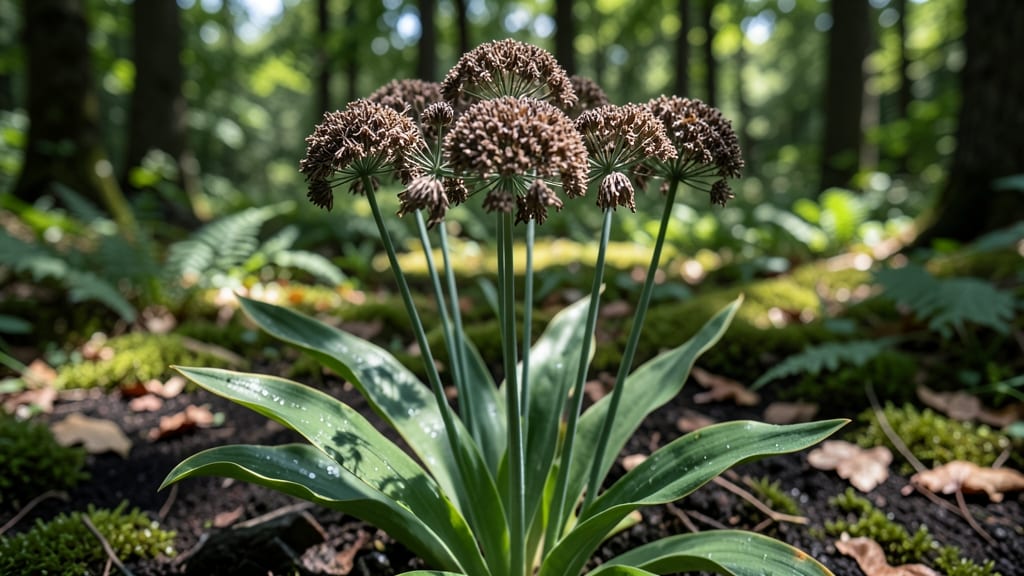
Wild garlic seed heads transform from weedy nuisance to next year's garden treasure—if you know when to harvest them. 🌱 I used to let them bolt and spread everywhere, but now I collect the seeds in late summer for fresh plants that outperform store-bought starts.
The secret lies in timing and simple drying techniques that preserve viability for months.
You'll need just three things: sharp scissors, paper bags, and a dry, dark spot. When the seed heads turn brown and papery (usually August-September), snip them cleanly and let them air-dry for 2-3 weeks.
The seeds stay fresh in sealed envelopes for up to 2 years, ready for spring planting. This method cuts costs and gives you plants exactly where you want them.
What you end up with is a reliable source of wild garlic—stronger, hardier, and better adapted to your climate than nursery plants. The pungent aroma lingers when you brush past the plants, and the harvest never disappoints. Plus, you'll avoid the self-seeding chaos that frustrates so many gardeners.
Works for garden beds, containers, or even shady woodland edges. Here's how to make it work without the mess—no more unwanted volunteers taking over your yard!
📚 In This Guide
- What you need
- Instructions
- Tips and common mistakes
- Wrapping up and next steps
What you need
- ● Wild garlic plants: Mature plants with fully developed seed heads (brown, papery, and dry). Aim for at least 5–10 healthy plants for a decent seed yield.
- ● Sharp pruning shears or scissors: Clean, sterilized tools to snip seed heads without damaging stems.
- ● Paper bags or breathable mesh sacks: 2–3 large bags (12x16 inches) to collect seeds and prevent moisture buildup.
- ● Flat, dry surface: A tray, baking sheet, or large cardboard box for seed drying.
- ● Labeling tags: Small waterproof tags or masking tape + marker to note harvest dates.
- ○ Glove (optional): Protects hands from wild garlic’s mild irritants if you’re sensitive.
- ● Fine-mesh sieve or sifter: For separating seeds from debris after drying.
- ● Air-tight container: Small jars or resealable bags for long-term seed storage (add a silica gel packet to keep them dry).
- ● Notebook: To log seed viability, germination tips, or plant observations.
How to harvest wild garlic seed heads for next year's plants
Here's the simple method I use to collect wild garlic seeds without losing the plant.
🌿 Step 1: Identify and Select Healthy Seed Stems
Wait until late spring or early summer when the flower stalks have fully matured but haven't yet released seeds. Look for stems that are brown and papery dry—this means the seeds are ready. Avoid stems with green leaves or damp flowers, as those seeds won't store well.
I always harvest from the outermost stems first to avoid over-stressing the plant. Leave at least 2-3 strong stems behind so the plant can regrow next season. Use clean, sharp scissors to snip the stems at their base—this prevents damage to the bulb below.
✂️ Step 2: Dry the Seed Heads Properly
Hang the harvested seed heads upside down in a dry, well-ventilated spot away from direct sunlight. A mesh bag or paper envelope works perfectly. The drying process takes 2-3 weeks—you'll know they're ready when the seed pods turn completely brown and brittle.
I like to place them in a quiet corner of my garage where airflow circulates naturally. Avoid plastic bags or sealed containers—they trap moisture and encourage mold. If your climate is humid, add a small silica gel packet to absorb excess moisture.
🌱 Step 3: Extract and Store the Seeds
Once the seed heads are fully dry, gently rub the pods between your fingers or tap them lightly over a clean sheet of paper. The seeds will fall out while the chaff remains behind. Repeat this process with each seed head until all viable seeds are collected.
Store the seeds in a paper envelope or small glass jar labeled with the year and variety. Keep them in a cool, dark place—like a pantry or refrigerator—where they'll stay viable for 1-2 years. I always test a few seeds before storing the rest to ensure they're still good.
🪴 Step 4: Return to the Garden (Optional)
After collecting seeds, you can either replant them immediately or save them for next year. If you're ready to grow, scatter the seeds in a moist, shaded area of your garden. Press them lightly into the soil—no need to bury them deeply. Water gently to help them settle.
Wild garlic thrives in partial shade, so choose a spot under trees or along a shady fence line. The seedlings will emerge in 2-4 weeks, and you'll have a fresh supply of wild garlic next year. If you're not ready to plant yet, just keep the seeds stored until you are.
Tips & tricks for perfect wild garlic seed collection
Here's what I've learned over years of harvesting wild garlic seeds without sacrificing next year's crop.
Timing is Everything: The window for harvesting is narrow—wait until the seed pods are fully brown and brittle but haven't yet released seeds. I check the pods daily during late spring to early summer. If you're unsure, gently squeeze a pod: seeds should come out easily but not fall apart at the slightest touch. Harvesting too early means immature seeds, while waiting too long means lost seeds.
Preservation Technique: For the 2-3 week drying period in Step 2, I place my seed heads in a mesh bag and hang them from a hook in my garage. The upside-down position prevents moisture buildup at the base. If you're in a particularly humid climate, consider adding a small silica gel packet to the drying container—this extra step prevents mold growth that can ruin your seeds before they're even stored.
Seed Viability Test: Before storing your seeds, always test a small batch first. Place 5-10 seeds between damp paper towels in a sealed container. Keep them in a warm spot (around 70°F) and check for sprouts in 7-10 days. If none sprout, your seeds may not be viable, and you'll need to collect more next season.
Garden Strategy: When replanting seeds in Step 4, I recommend scattering them in multiple small areas rather than one large patch. This creates a more natural spread and reduces the risk of disease if one area becomes compromised. Also, mark the planting location with a small stake—wild garlic seedlings can be easy to miss among other garden plants.
Pro Tips for Wild Garlic Seed Heads
- Here's what I've learned over years of harvesting wild garlic seeds without sacrificing next year's crop.
- Timing is Everything: The window for harvesting is narrow—wait until the seed pods are fully brown and brittle but ha...
- Preservation Technique: For the 2-3 week drying period in Step 2, I place my seed heads in a mesh bag and hang them f...
Frequently asked questions
Got questions about harvesting wild garlic seed heads?
You’re not alone! Here are answers to the most common queries—plus a few pro tips to make your seed-saving journey smooth.
When is the best time to harvest wild garlic seed heads?
Harvest seed heads when they’ve fully dried on the plant but before they release seeds naturally (usually late spring to early summer). Look for brown, papery seed pods—squeeze gently to check for seed readiness. Avoid harvesting in wet weather to prevent mold.
Can I save seeds from store-bought wild garlic?
Nope! Store-bought wild garlic is often hybridized or treated to prevent seed production. For viable seeds, grow your own plants from scratch or source seeds from reputable wildflower suppliers. Always label your seeds to track varieties.
How do I store wild garlic seeds for next season?
Let seeds dry completely, then store them in a cool, dark place (like a paper envelope) for up to 2 years. Keep them away from moisture to avoid rot. Label with the harvest year for easy tracking!
What if my wild garlic plants don’t produce seed heads?
Several factors could be at play: poor pollination (hand-pollinate with a soft brush), overcrowding, or nutrient deficiencies. Ensure plants get full sun and well-draining soil. If all else fails, try growing a different variety next time!
Are wild garlic seeds invasive? Should I be cautious?
Wild garlic can spread aggressively in moist, shaded areas. If you’re in a region with strict invasive plant regulations, research local guidelines before planting. Otherwise, enjoy its naturalizing tendencies—just monitor its growth!
Wrapping up and next steps
Harvesting wild garlic seed heads is a simple yet rewarding way to ensure a fresh supply of this flavorful plant for seasons to come.
By following these stress-free steps—identifying mature seed heads, gathering tools, and preserving seeds properly—you’ll set yourself up for a thriving garden. Don’t let hesitation hold you back! Grab those seed heads, store them with care, and get ready to enjoy wild garlic’s bold flavor and the satisfaction of self-sufficiency next year. 🌱✨
Next steps:
- Mark your calendar for next spring’s planting season.
- Share your newfound skills with fellow gardening enthusiasts!