
Trees
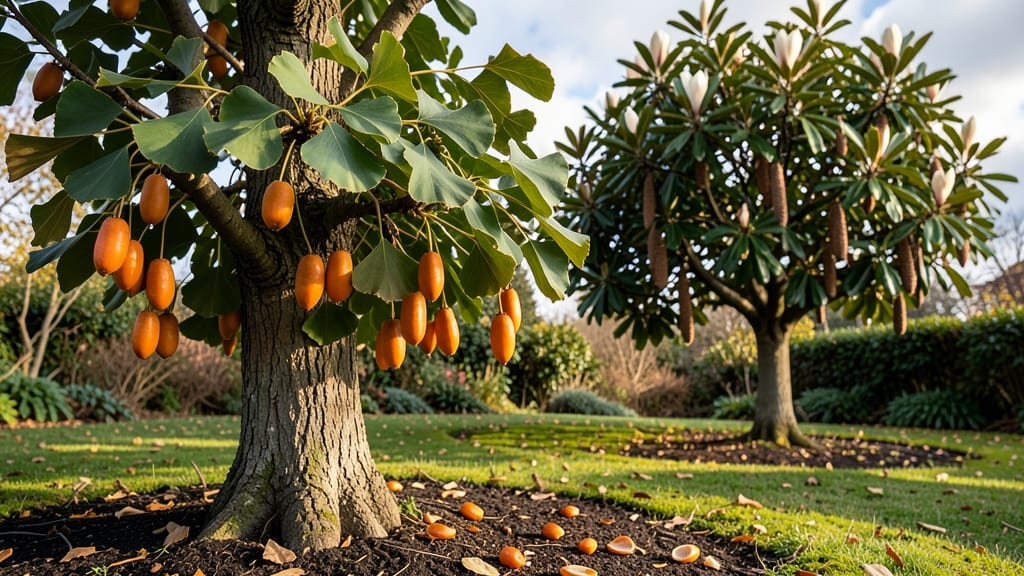
Harvesting tree seed pods without crushing the seeds inside is easier than you think. 🌳 I’ve collected thousands of acorns, maple samaras, and oak galls without a single cracked seed—here’s how to do it right, from identification to planting.
The key is timing and technique. Wait until pods open naturally (or split them gently with a knife), then store them in a breathable bag until you’re ready to plant. Oak acorns need 3 months of cold stratification, while maple seeds germinate best when sown fresh in moist soil.
You’ll end up with sturdy seedlings that outperform store-bought trees. The secret? Mimicking nature’s conditions—moisture, light, and patience. Even beginner gardeners can grow strong saplings with these simple steps.
Works for oaks, maples, acacias, and more. Let’s get those seeds growing without the frustration!
📚 In This Guide
- What you need
- Instructions
- Tips and common mistakes
- Wrapping up and next steps
What you need
- ● Gloves (2 pairs): One pair of nitrile gloves (for grip and protection) and one pair of gardening gloves (for comfort during longer harvests).
- ● Pruning shears or small handsaw: A bypass pruner (for clean cuts) or a folding handsaw (for thicker branches).
- ● Large paper bags or breathable mesh bags (3-5): Brown kraft paper bags (for delicate pods) or mesh produce bags (for airflow).
- ● Ladder or step stool (if needed): A lightweight aluminum ladder (for tall trees) or a foldable step stool (for low branches).
- ● Sharpie or masking tape + labels: For marking bags with pod type and harvest date.
- ● Small bucket or tray: A stainless-steel basin (for sorting pods on-site).
- ● Spray bottle with water: A 16-oz misting bottle (to dampen dry pods gently).
- ● Camera or phone: For documenting rare or beautiful pods.
- ● Drying rack or screen: A wire mesh drying tray (to speed up pod drying).
- ● Kneeling pad: For comfort during ground-level harvesting.
- ● Disinfectant wipes: To clean tools between trees (prevents disease spread).
- ● Notebook: For jotting down tree locations or pod characteristics.
Instructions for harvesting tree seed pods without damage
Here’s how to collect seeds cleanly—no broken stems or wasted pods.
🌱 Step 1: Time Your Harvest for Peak Ripeness
Watch for seed pods to turn their mature color—often brown, tan, or slightly papery. Some pods, like maple samaras, will flutter to the ground naturally, while others (like acorns) stay firmly attached until fully dry. I check pods weekly in late summer/early fall, tapping them gently with a finger—if they rattle, they’re ready.
Harvesting too early means immature seeds that won’t germinate. Too late, and pods may split open on the tree, scattering seeds before you can collect them. For tough pods like hickory, wait until they’re so dry they crackle when squeezed.
🪴 Step 2: Use the Right Tools for Gentle Removal
A small pruning shears or sharp knife works best for cutting stems cleanly. Avoid twisting pods off—they’ll tear and leave behind damaged branches. I like to make a ¼-inch cut just above where the pod meets the stem, then let the pod drop into a bucket or mesh bag below.
For high branches, a long-handled tool or pole pruner extends your reach without straining. If pods are clustered, snip the entire branchlet and process it later. Never pull pods downward—this severs the stem and stresses the tree.
✂️ Step 3: Process Pods Immediately to Prevent Spoilage
Spread collected pods on a clean, dry towel or screen in a shaded area. Some seeds (like walnuts) need to dry fully before storage, while others (like maple samaras) can be cleaned right away. I use a soft brush to remove debris, then sift through the batch to separate empty or damaged pods.
For sticky or fibrous pods (like sweetgum), soak them in warm water for 10 minutes to loosen seeds before brushing. Label each batch with the tree type and harvest date—this keeps your seed collection organized for future planting.
💧 Step 4: Store Seeds Properly for Long-Term Viability
Most tree seeds need a cool, dry environment to stay viable. I store them in paper envelopes or breathable fabric bags inside an airtight container with a silica gel packet. Keep them in the refrigerator’s crisper drawer (around 35-40°F) for up to a year.
Some seeds, like oaks, require stratification (a cold, moist period) to break dormancy. If your target tree needs this, place seeds in a sealed bag with slightly damp sand and refrigerate for 60-90 days before planting. Check seed packets for specific instructions—overlooking this step means poor germination rates.
☀️ Step 5: Plant or Sow Seeds at the Right Time
Timing depends on the tree species. Some seeds (like birch) germinate best when sown immediately in fall, while others (like pine) need a warm season start. I plant most collected seeds in early spring, after the last frost, in well-draining soil with full sun exposure. Scatter seeds lightly and press them into the top inch of soil—don’t bury them deeply.
Keep the soil consistently moist (not soggy) until seedlings emerge, which can take 2-8 weeks depending on the species. Thin seedlings to 6-12 inches apart once they’re 3-4 inches tall. Patience is key—some tree seeds take years to mature, but proper harvesting ensures strong, healthy starts.
Tips & tricks for perfect tree seed pod harvesting
These simple strategies will help you collect healthy seeds without damaging the tree or wasting your time.
Timing Secret: In Step 1, when checking for ripeness, focus on both color and sound. The pods should be fully matured in color (brown, tan, or papery) AND make a hollow sound when tapped—like knocking on a wooden door. For tough pods like hickory, the dryness test is critical: if they crackle when squeezed, they're ready. Harvesting at this exact stage ensures maximum seed viability and prevents premature splitting.
Tool Technique: For Step 2, I recommend using pruning shears specifically designed for small branches—they give you more control than a knife. When cutting, make your ¼-inch cut just above where the pod meets the stem at a slight angle. This creates a cleaner break point and reduces the chance of tearing. For high branches, a pole pruner with a hook attachment makes collection effortless without needing a ladder.
Processing Wisdom: During Step 3, when dealing with sticky pods like sweetgum, the 10-minute warm water soak is your best friend. Use water just warm enough to touch comfortably—hot water can damage delicate seeds. After soaking, gently brush the pods while they're still damp to avoid creating dust. This method works particularly well for fibrous pods that resist brushing when completely dry.
Storage Strategy: In Step 4, the 35-40°F refrigerator temperature is ideal for most seeds, but some species benefit from slightly cooler conditions. For example, maple samaras can tolerate 32°F without issues. Always include a silica gel packet in your storage container—it absorbs excess moisture that can cause mold. I've found that labeling each batch with both the tree type AND harvest date helps track which seeds need stratification for how long.
Pro Tips for Tree Seed Pods
- These simple strategies will help you collect healthy seeds without damaging the tree or wasting your time.
- Timing Secret: In Step 1, when checking for ripeness, focus on both color and sound. The pods should be fully matured...
- Tool Technique: For Step 2, I recommend using pruning shears specifically designed for small branches—they give you m...
Frequently asked questions
When is the best time to harvest tree seed pods?
The ideal time depends on the tree species, but most seed pods are ready when they’re fully dry and brown but haven’t yet split open. For example, maple pods mature in late summer/fall, while acorns drop in autumn. Check pods weekly—harvesting too early can result in immature seeds, while waiting too long may mean they’ve already dispersed.
What if my seed pods twist off the tree before I can harvest them?
Some trees (like locust or honey locust) naturally release pods when ripe. To minimize loss, harvest in early morning when pods are damp and less likely to drop. For stubborn pods, gently twist them with a gloved hand or use pruning shears. If branches are high, a pole pruner or extension tool can help—just avoid yanking!
Can I use seed pods from any tree, or are some toxic?
Not all pods are safe! Never harvest from trees like yew, black walnut, or oleander—their seeds/pods can be toxic. Stick to native, non-toxic species like maple, oak, or catalpa. When in doubt, research the tree type or consult a local nursery. A quick Google search with the tree’s name + “edible seed pods” can save you trouble.
How do I store harvested seed pods to keep them viable?
Store pods in a cool, dry place (like a paper bag or mesh sack) with good airflow to prevent mold. Avoid plastic containers—moisture buys rot. For long-term storage (6+ months), refrigerate or freeze them. Label pods with the tree species and harvest date. Most seeds stay viable for 1–2 years, though some (like maple) germinate best when fresh.
What’s the easiest way to propagate seeds from pods without damaging them?
Start by soaking pods overnight to soften tough shells, then gently crack them open (use a hammer or nutcracker for stubborn ones). Remove seeds and plant them 1/4 inch deep in moist, well-draining soil. For large seeds (like acorns), pre-sprout them by nicking the shell with a knife. Keep soil consistently moist but not soggy—patience is key!
Wrapping up and next steps
From Lombardy poplars to mesquite trees, harvesting seed pods without damage is easier than you think! 🌱 With the right tools—like pruning shears, gloves, and a collection bag—and a few gentle techniques, you can preserve their potential while protecting the tree.
Whether you're saving seeds for propagation or admiring nature’s artistry, patience and care make all the difference.
Ready to give it a try? Start small—pick a few pods from a single tree—and watch your green thumb grow! Next, explore how to store or plant your harvest for future gardening adventures.