
Lawn
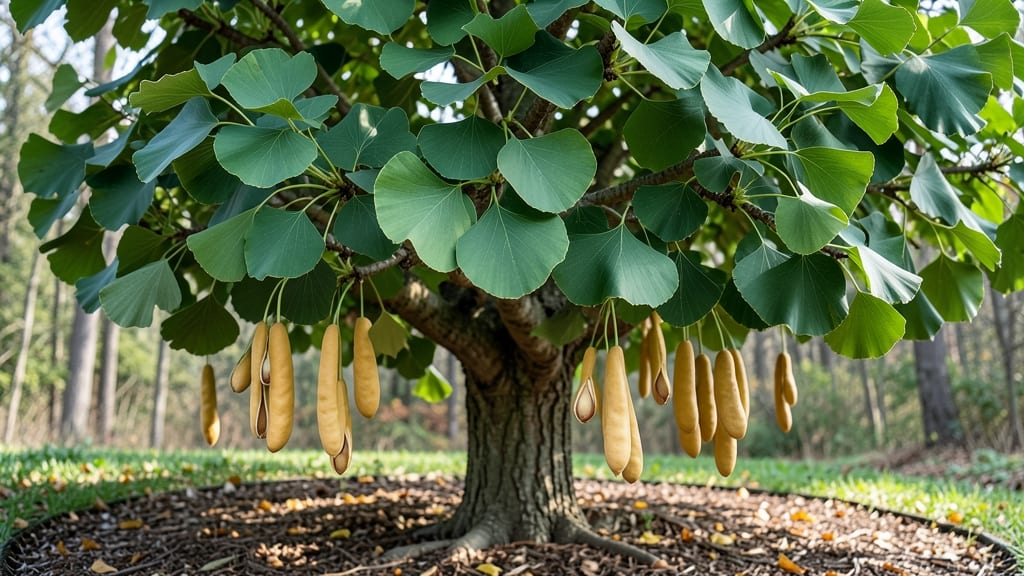
Ginkgo tree seed pods are nature’s way of growing these ancient trees—but handling them safely is key. 🌿 The fleshy outer layer contains butyric acid, which smells terrible when crushed (trust me, you’ll know it instantly).
Ripe pods turn from green to yellow-brown in fall, signaling it’s time to harvest before they split open.
Collect pods by wearing gloves and shaking them from branches into a bucket lined with newspaper. Remove the outer layer by rinsing seeds in water, then let them dry completely before storage.
The seeds themselves are hard, brown, and about the size of small acorns—each one holds the potential for a tree that lives for centuries.
Germination takes patience: cold-stratify seeds for 3 months in a moist paper towel in the fridge, then plant them 1 inch deep in well-draining soil. Keep the soil consistently moist but never soggy, and place pots in bright, indirect light.
Seedlings emerge slowly—often after 6-12 weeks—but once they do, they’re tough and resilient.
Young ginkgos grow at a snail’s pace at first, but with proper care (full sun, minimal watering once established), they’ll reward you with glossy leaves and that iconic fan shape. Watch for pests like spider mites and protect seedlings with row covers until they’re sturdy enough to handle outdoor conditions.
📚 In This Guide
- What you need
- Instructions
- Tips and common mistakes
- Wrapping up and next steps
What you need
- ● Ginkgo tree seed pods: Mature, ripe pods (typically golden-brown, ~1–2 inches long) from a healthy ginkgo tree (Ginkgo biloba). Aim for at least 10–20 pods for viable seed saving.
- ● Gloves (thick, nitrile or rubber): 1–2 pairs to protect hands from the stinky, sticky ginkgo flesh (trust us, you’ll thank us later!).
- ● Pruning shears or small saw: For harvesting pods from high branches (if needed). Opt for bypass pruners for clean cuts.
- ○ Ladder (optional): A sturdy 6–10 ft extension ladder if your tree is taller than 6 feet.
- ● Large bucket or tarp: A 5-gallon bucket or heavy-duty tarp (6x8 ft) lined with newspaper to collect pods and prevent mess.
- ● Newspaper or paper towels: For drying and separating seeds from the fleshy outer layer.
- ● Plastic or glass containers: Air-tight jars (quart-sized) for storing cleaned seeds.
- ● Water and a sink: For rinsing pods (outdoor hose works too!).
- ● Paper towels or mesh screen: To drain excess water after rinsing.
- ● Small knife or scissors: For carefully slicing open pods to extract seeds.
- ● Pencil or marker: To label containers with the date and tree source (if cross-pollination is a goal).
- ● Harvesting bag: A mesh produce bag to carry pods without crushing them.
- ● Disinfectant (rubbing alcohol): To sterilize tools if sharing equipment between trees.
- ● Notebook: To log pod maturity, yield, or germination notes.
- ● Seedling trays or pots: If you plan to germinate seeds immediately (4-inch pots work well).
- ● Hairnet or bandana: To keep loose hair out of the sticky pod pulp!
Stress-free ginkgo tree seed pod harvesting and seed saving
Here’s how to collect and store ginkgo seeds without the mess or waste—just follow these simple steps.
☀️ Step 1: Time Your Harvest for Peak Ripeness
Ginkgo seed pods ripen in late fall, typically between October and November, when they turn from green to a golden-yellow color. Wait until most pods on the tree have changed color—picking too early means unripe seeds that won’t germinate, while waiting too long risks them splitting open and scattering seeds on the ground.
Check pods daily during this window. A ripe pod should feel firm but slightly soft when gently squeezed—like a well-ripened peach. If it’s still hard, it’s not ready. If it squishes easily, you’ve missed the window. The best time to harvest is on a dry, cool morning after any overnight dew has evaporated.
✂️ Step 2: Collect Pods Without Damaging the Tree
Use pruning shears or a small saw to cut pods from the tree, leaving a ¼-inch stem attached. Avoid pulling pods off by hand—this can strip bark or damage branches. Work gently but efficiently, as pods will continue to ripen on the ground if left too long.
Lay a large tarp or sheet under the tree before harvesting to catch any fallen pods. Ginkgo seeds are heavy, and dropped pods often split open, releasing foul-smelling seeds that attract pests. Collect pods in a sturdy basket or bucket—not a plastic bag, which can trap moisture and cause mold.
🪴 Step 3: Clean and Dry the Pods for Storage
Spread the harvested pods in a single layer on a screen or mesh tray in a well-ventilated, dry area (like a garage or covered porch). Avoid direct sunlight, which can overheat the pods and dry them too quickly. Let them dry for 7–10 days until the outer husk turns papery and brittle—it should crack open easily when squeezed.
Once dry, remove the seeds from the pods by hand. The seeds are round, tan, and about the size of a walnut. Discard any seeds that are shriveled, cracked, or discolored—these won’t germinate. Store the viable seeds in a paper envelope or breathable fabric bag in a cool, dark place (like a pantry) for up to 6 months before planting.
💧 Step 4: Stratify Seeds for Best Germination Results
Ginkgo seeds require stratification to break dormancy. Place the seeds in a ziplock bag with a damp paper towel (not soaking wet—just lightly moist). Seal the bag and refrigerate for 3–4 months at 35–40°F. Check the towel monthly and mist with water if it dries out.
After stratification, plant the seeds ½ inch deep in well-draining potting mix in a 4-inch pot. Keep the soil consistently moist (not soggy) and place the pot in a bright, indirect light spot. Germination can take 3–6 months, so be patient. Once seedlings emerge, move them to full sun and harden off before transplanting outdoors in spring.
⏰ Step 5: Transplant Seedlings for Long-Term Growth
Wait until seedlings are at least 1 year old and have true leaves before transplanting outdoors. Choose a sunny location with well-draining soil—ginkgo trees hate soggy roots. Dig a hole twice as wide as the root ball but only as deep as the container.
Water the seedling thoroughly before transplanting to reduce shock. Place it in the hole, backfill with soil, and tamp gently to remove air pockets. Mulch around the base with 2–3 inches of organic mulch (like shredded bark) to retain moisture and suppress weeds. Ginkgo trees grow slowly but live for centuries, so give them space to thrive!
Tips & tricks for perfect ginkgo seed pod harvesting
Harvesting ginkgo seeds doesn't have to be a messy ordeal—these simple tricks will help you gather and store them like a pro.
Timing is Everything: I learned this the hard way after missing two harvests by waiting too long. The golden-yellow pods are your cue—they should feel firm but yield slightly when squeezed, like a ripe avocado. If you're unsure, check a few pods daily starting in early October. The window is narrow, so don't wait until the pods start splitting open on their own.
Harvesting Equipment Matters: Pruning shears are your best friend here. I used to try cutting pods with regular scissors, and it always ended with stripped bark or damaged branches. A small saw works too, but keep cuts clean and leave that ¼-inch stem attached—it helps the pods stay fresh longer. And for the love of all things green, avoid plastic bags for collection—they trap moisture and create moldy messes.
Drying Strategy: Spread those pods in a single layer on a mesh tray in a well-ventilated area for 7-10 days. I've tried using direct sunlight, but it overheats the pods and makes them brittle too quickly. Instead, choose a spot with indirect airflow—like a covered porch or garage. The pods are ready when the husk cracks easily with gentle pressure, revealing the tan seeds inside.
Stratification Hack: For best results, keep that damp paper towel in the ziplock bag just moist—not dripping wet. I check it monthly and add a few sprays of water if it starts to dry out. The 3-4 month cold treatment is non-negotiable for breaking dormancy, but you can speed up germination slightly by using a slightly warmer fridge (around 40°F) if your fridge runs cooler than that.
Pro Tips for Ginkgo Tree Seed Pods
- Harvesting ginkgo seeds doesn't have to be a messy ordeal—these simple tricks will help you gather and store them lik...
- Timing is Everything: I learned this the hard way after missing two harvests by waiting too long. The golden-yellow p...
- Harvesting Equipment Matters: Pruning shears are your best friend here. I used to try cutting pods with regular sciss...
Frequently asked questions
Got questions about harvesting and saving ginkgo tree seed pods? You’re not alone! Here are some of the most common queries—and their answers—to help you navigate the process like a pro.
When is the best time to harvest ginkgo seed pods?
The ideal time is late fall (October–November), when the pods turn yellowish-brown and start splitting open naturally. Harvest them before they release seeds to avoid mess—and pests! If you miss the window, pods may drop to the ground, but they’ll still be viable for a few weeks.
How do I tell if a ginkgo seed pod is ripe and ready to harvest?
Ripe pods are dry, papery, and split open along one side, revealing the shiny, greenish seeds inside. If the pod is still green or closed, it’s not ready yet. A gentle squeeze should make the pod crackle—like a crisp autumn leaf!
Can I save seeds from ginkgo tree pods for planting next year?
Once harvested, let the seeds dry in a cool, dry place for 2–4 weeks before storing them in a sealed container. Keep them in the fridge (not frozen) for up to a year. Pro tip: Soak seeds in water for 24–48 hours before planting to speed up germination.
What should I do if my ginkgo seed pods attract pests like squirrels or insects?
Pests love ginkgo seeds, but you can outsmart them! Harvest pods promptly and store seeds in mesh bags or sealed containers until planting. For squirrel-prone areas, try hanging pods in wire cages or harvesting early in the morning when critters are less active.
Are there alternatives to harvesting seed pods if I don’t have a ginkgo tree nearby?
If you can’t find fresh pods, consider buying ginkgo seeds online from reputable nurseries or seed suppliers. Just ensure they’re labeled as “fresh” or “dormant” for best results. Local garden centers may also carry ginkgo seedlings—just check the species (like Ginkgo biloba) for accuracy!
Wrapping up and next steps
Harvesting ginkgo tree seed pods is a rewarding way to connect with nature—and now you’ve got the know-how! Whether you’re saving seeds for propagation, crafting, or simply admiring their unique charm, these steps make the process stress-free and enjoyable. 🌿
Ready to take the next step? Start by planting your saved seeds or sharing your newfound skills with fellow gardening enthusiasts. Who knows—you might inspire someone else to grow their own ginkgo tree! 🌱