
Lawn
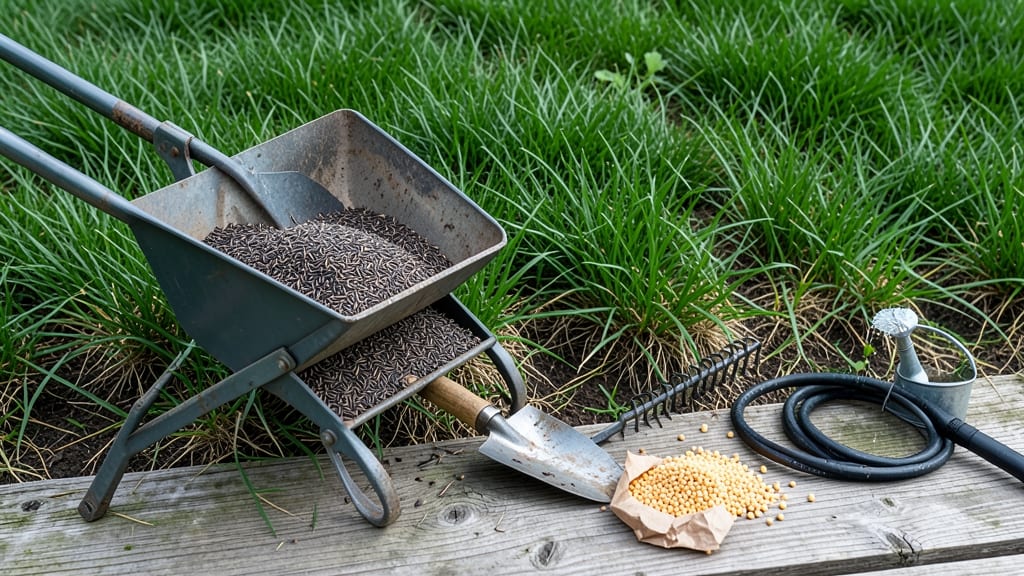
Reseeding grass in fall is the secret to a lawn so thick and green it’ll make your neighbors jealous. 🌱 I’ve learned the hard way that spring seeding means fighting weeds and heat stress, but fall?
That’s when grass roots establish deep before winter—giving you a head start on spring’s best lawn. The magic happens between late August and October, when soil stays warm but air cools.
You’ll need a rake, quality seed (like tall fescue or Kentucky bluegrass), and a sprinkler on a timer. Skip the cheap seed—it’s like buying a cheap mower; you’ll regret it when it thins out.
By October, you’ll see sprouts pushing through, and with consistent watering (about ¼ inch twice weekly), those roots will anchor your lawn for years. Frost won’t bother them—it’ll even protect new growth until spring.
Works in every climate, but adjust timing: Northern regions aim for September, while Southern zones can stretch to November. Here’s how to make it foolproof!
📚 In This Guide
- What you need
- Instructions
- Tips and common mistakes
- Wrapping up and next steps
What you need
- ● Quality grass seed: Choose a cool-season variety (e.g., fescue, ryegrass, or bluegrass) suited to your climate and sun exposure. 10–15 lbs per 1,000 sq ft for full coverage.
- ● Lawn fertilizer: A starter fertilizer (high in phosphorus, like 5-10-10) to encourage root growth. Apply 0.5–1 lb of nitrogen per 1,000 sq ft.
- ● Topsoil or compost: ¼–½ inch layer to improve seed-to-soil contact and nutrients.
- ● Rake: A bow rake (for leveling) and a garden rake (for removing debris).
- ● Broadcast spreader: Ensures even seed distribution. Adjust settings for seed-specific spread rates (check product guidelines).
- ● Water source: A hose with a sprinkler head or garden hose with a gentle spray nozzle.
- ○ Lawn roller (optional but helpful): A lightweight roller to press seed into soil (100–200 lbs capacity).
- ● Soil test kit: Check pH and nutrient levels before seeding (ideal pH: 6.0–7.0).
- ● Pre-emergent herbicide: Apply 4–6 weeks before seeding to prevent weeds (read labels carefully!).
- ● Straw or netting: Lightly cover seed with ¼-inch straw to retain moisture (or use biodegradable netting for windy areas).
- ● Lawn aerator (core or spike): Loosens compacted soil for better seed penetration (rent or borrow if needed).
- ● Knee pads or gloves: Protect your hands and knees during prep work!
Step-by-step instructions for reseeding grass in fall
Fall’s cooler temps and gentle rains create perfect conditions for grass to establish strong roots before winter.
🌱 Step 1: Prepare the Soil for Seeding
Start by mowing your lawn as short as possible—about 1-1.5 inches—to expose the soil surface where seeds will land. This also helps sunlight reach the soil, encouraging germination. After mowing, use a rake to remove any debris like leaves or dead grass clumps, as these can block seed-to-soil contact.
Next, aerate the lawn using a core aerator. This pulls small soil plugs from the ground, creating holes that let seeds settle deep enough to root but still close enough to access moisture. Focus on areas with thin grass or bare patches—these spots need extra attention. If you don’t have an aerator, rent one or hire a lawn service to do this step, as it’s critical for seed success.
💧 Step 2: Spread Seed Evenly Across the Lawn
Choose a cool-season grass seed suited to your climate, like Kentucky bluegrass, tall fescue, or perennial ryegrass. Sprinkle the seed evenly over the aerated lawn using a broadcast spreader or by hand. For best coverage, walk in a crisscross pattern to avoid missing spots. Lightly rake the area again to press seeds into the soil—just enough to ensure good contact without burying them too deep.
Here’s the thing—don’t rush this step. I like to spread half the seed in one direction and the other half perpendicular to it. This ensures even distribution, especially in high-traffic or shaded areas where grass struggles to grow. If you’re reseeding a large lawn, divide it into sections to avoid overlapping and wasting seed.
☀️ Step 3: Water Gently and Consistently
After seeding, water the lawn lightly but thoroughly to moisten the soil about 1-2 inches deep. This helps seeds settle into the soil and kickstarts germination. Water again every other day for the first 2-3 weeks, keeping the top ½ inch of soil consistently moist. Avoid soaking the lawn—you want dampness, not puddles, to prevent seed washout or fungal issues.
You’ll notice the first green sprouts in about 7-14 days, depending on temperature and moisture. Once seedlings reach 2-3 inches tall, you can gradually reduce watering to every 3-4 days. This encourages deeper root growth, which is key for a lawn that survives winter and thrives in spring. A morning watering schedule works best, as it reduces evaporation and fungal risks.
✂️ Step 4: Maintain and Protect New Growth
Wait until new grass reaches 3-4 inches tall before your first mow—this usually takes about 6-8 weeks after seeding. Set your mower blade to 3 inches to avoid scalping the tender new shoots. Mowing too short can stress the grass and leave it vulnerable to weeds. Always mow in different directions each time to prevent soil compaction and encourage upright growth.
Keep foot traffic to a minimum for at least 4-6 weeks to avoid damaging the delicate seedlings. If pets or kids must use the lawn, redirect them to paved areas until the grass is fully established. Avoid fertilizing until the new grass has been mowed 2-3 times, as this signals it’s strong enough to handle nutrients without burning.
🪴 Step 5: Winterize for Next Season’s Success
As temperatures drop below 50°F at night, reduce watering to once a week unless there’s no rainfall. Overwatering in winter can lead to rot or fungal diseases. In late fall, apply a winter mulch of ¼ inch of straw or leaves over seeded areas to insulate seeds and protect them from freezing. This is especially helpful in colder climates where frost can heave soil and dislodge seeds.
Come spring, you’ll see your lawn fill in with lush, green grass if you’ve followed these steps. The key is patience—fall reseeding is an investment in a thicker, healthier lawn that will outcompete weeds naturally. Mark your calendar for next fall to repeat the process in thin spots, and your lawn will thank you year after year.
Tips & tricks for perfect fall grass reseeding
Common pitfalls—and how to sidestep every one—when reviving your lawn this fall.
Timing is Everything: Aim to seed your lawn when daytime temperatures are between 60-75°F and nighttime temps stay above 50°F. This ideal window typically falls between mid-September and early October in most regions. I've learned this the hard way—seeding too early in warm fall weather can cause seeds to dry out before germination, while seeding too late risks frost damage. Check your local weather forecast for the perfect timing, and mark your calendar to avoid missing this critical window.
Soil Prep Secret: In Step 1, when you're preparing the soil, don't just mow short—remove thatch buildup if it's more than ½ inch thick. Thatch blocks seed-to-soil contact and prevents proper root establishment. Use a thatch rake or dethatching attachment on your mower to open up the soil surface. This extra step might feel tedious, but it makes all the difference in seed germination rates, especially in high-traffic areas where thatch accumulates quickly.
Watering Wisdom: During the critical first 2-3 weeks after seeding, water deeply in the morning to allow the soil to dry slightly between waterings. This prevents fungal diseases that thrive in constantly wet conditions. I use a rain gauge to measure ½ inch of water each session—this ensures seeds stay consistently moist without becoming waterlogged. Early morning watering also minimizes evaporation losses, so you're not wasting precious moisture.
Protective Measures: If you have birds or squirrels that love to snack on grass seed, consider laying down bird netting over seeded areas until germination occurs. I've had entire sections of my lawn picked clean by hungry wildlife in just a few days! You can also try a light application of corn gluten meal (a natural pre-emergent) after seeding—it deters pests while also feeding the soil as it breaks down.
Pro Tips for Reseed Grass In Fall
- Common pitfalls—and how to sidestep every one—when reviving your lawn this fall.
- Timing is Everything: Aim to seed your lawn when daytime temperatures are between 60-75°F and nighttime temps stay ab...
- Soil Prep Secret: In Step 1, when you're preparing the soil, don't just mow short—remove thatch buildup if it's more ...
Frequently asked questions
Got questions about reseed grass in fall? You’re not alone! Here are some of the most common concerns—and their answers—to help you tackle your lawn revival with confidence.
Why is fall the best time to reseed grass?
Fall offers cooler temperatures, reduced weed competition, and ample rainfall—perfect for grass seeds to germinate and establish strong roots before winter. Unlike spring, fall avoids heat stress and drought, giving your lawn a head start for next year’s growth. Pro tip: Aim for 6–8 weeks before the first hard frost for ideal conditions!
How long does it take for grass to grow after reseeding in fall?
Most grass varieties sprout within 7–21 days after planting, depending on the type (cool-season grasses like fescue or ryegrass germinate faster). Full establishment—when roots are deep and the lawn is dense—takes about 3–6 weeks. Patience pays off: Avoid heavy foot traffic until the new grass reaches 3–4 inches tall!
Do I need to water my lawn every day after reseeding?
Yes! Keep the soil consistently moist (not soggy) for the first 2–3 weeks—water lightly 2–3 times daily (morning, afternoon, and evening) to encourage germination. After that, taper to 1–1.5 inches per week, including rainfall. Use a gentle sprinkler to avoid displacing seeds.
What if my lawn has weeds after reseeding?
Weeds are common in new lawns, but don’t panic! Pre-emergent herbicides (applied in early fall) can prevent weed seeds from sprouting. For existing weeds, hand-pull them or spot-treat with a vinegar-based solution (avoid harsh chemicals near new grass). Pro tip: A thick, healthy lawn crowds out weeds naturally—keep mowing high (3–4 inches) to shade the soil!
Can I reseed over dead grass or do I need to remove it first?
You can reseed over thin or dead grass, but remove thick thatch or debris (over ½ inch) first for better seed-to-soil contact. For bare spots, lightly rake the area to loosen soil and create a smooth seedbed. If your lawn has dense weeds or moss, consider a light dethatching or topdressing with compost before seeding.
What if winter hits early? Will my grass survive?
Most cool-season grasses (like Kentucky bluegrass, fescue, or ryegrass) are hardy and can handle light frost, but avoid reseeding if hard freeze (<25°F) is forecast within 2 weeks. If winter arrives unexpectedly, mulch seeds lightly with straw to insulate them. Spring will bring new growth—just be patient!
Wrapping up and next steps
Fall is the perfect time to reseed your lawn—cool temperatures, ample rainfall, and fewer weeds create ideal conditions for thick, vibrant grass. By following these steps—preparing the soil, choosing the right seed, and maintaining consistency—you’ll set your lawn up for a lush, green revival next spring. 🌱
Ready to take action? Grab your tools, pick a weekend, and transform your yard into the envy of the neighborhood. Your future lawn will thank you!