
Propagation
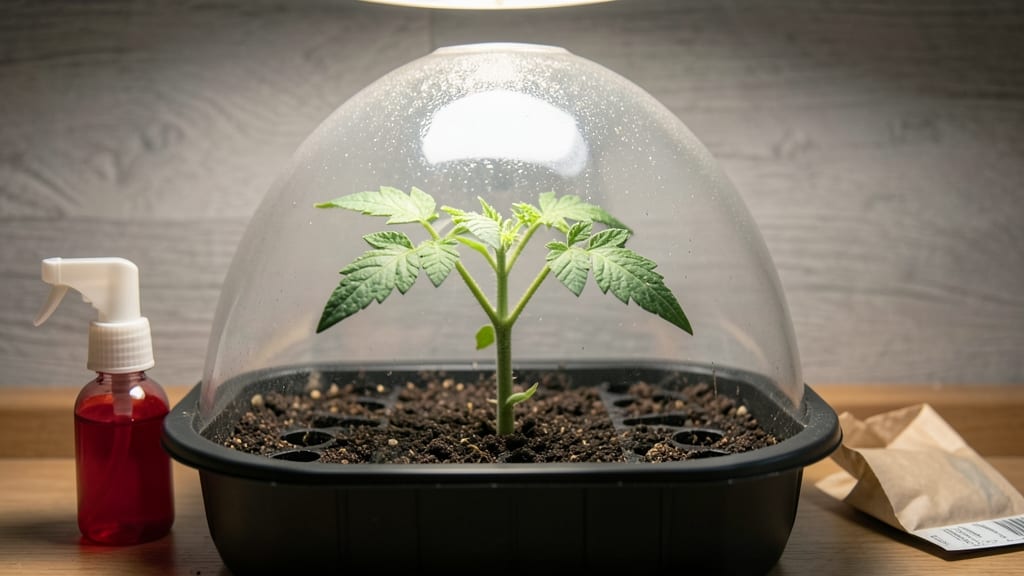
Tomato seed germination starts with loose, damp soil and patience—no fancy equipment needed. 🌱 I’ve watched hundreds of seeds sprout, and the key is keeping them cozy without drowning them. The right setup turns a week of waiting into a reliable harvest of sturdy seedlings.
You’ll need a shallow container, seed-starting mix, and a spray bottle to keep moisture consistent. Temperature matters too—aim for 70-80°F for best results. Too cold, and they’ll stall; too hot, and they’ll rot before sprouting. Within 5-10 days, you’ll see tiny green hooks breaking through the soil.
Once they’re 1-2 inches tall, they’re ready for their next phase—just don’t rush it. Overcrowding now means weak plants later. This method works for any climate, whether you’re starting indoors in March or direct-sowing in warm zones. The secret? Loose soil and steady warmth. Let’s get those seeds going!
📚 In This Guide
- What you need
- Instructions
- Tips and common mistakes
- Wrapping up and next steps
What you need
- ● Tomato seeds: 10–20 fresh, high-quality seeds (organic or heirloom varieties work best).
- ● Seed-starting mix: 1–2 cups of sterile, lightweight potting soil (avoid garden soil—it’s too dense!).
- ● Containers: 4–6 small pots (3–4 inches deep) or
- ● A seed tray with individual cells (2–3 inches deep).
- ● Watering can or spray bottle: With a fine mist nozzle (gentle watering is key!).
- ○ Heat mat (optional but helpful): A small electric seedling heat mat (70–80°F range) to speed up germination.
- ● Plastic wrap or humidity dome: To retain moisture and create a mini greenhouse effect.
- ● Labels & marker: To track seed varieties (especially useful if planting multiple types!).
- ● Grow lights or sunny windowsill: A south-facing window or LED grow lights (12–16 hours/day once sprouted).
- ○ Fertilizer (optional): A balanced, water-soluble fertilizer (5-10-5 ratio) for later stages.
- ● Tweezers or pencil: For gently pressing seeds into soil.
- ● A warm, bright space (65–75°F is ideal for germination).
- ● Patience—tomato seeds typically sprout in 7–14 days (depending on variety and conditions).
- ● Consistency in moisture and temperature (avoid letting soil dry out!).
Step-by-Step instructions for germinating tomato seeds
Here's how I get every seed to sprout reliably—no fancy equipment, just the right conditions.
🌱 Step 1: Prep Seeds and Soil for Fast Germination
First, soak your tomato seeds in lukewarm water for 12 hours to soften the outer coating. This speeds up germination by breaking dormancy—you'll see tiny cracks in the seed coats after soaking. While they soak, fill your seed-starting containers with moistened seed-starting mix (not garden soil) and press it down lightly until it's firm but not compacted.
I like to tap the containers gently on the table to settle the soil evenly. The goal is a surface that's damp but not soggy—if you squeeze a handful, a few drops should form but it shouldn't drip. This prevents waterlogging while keeping moisture consistent. Leave the containers uncovered for now; we'll cover them later after planting.
🌱 Step 2: Plant Seeds at the Right Depth
Tomato seeds need light to germinate, so plant them just ¼ inch deep—about the width of the seed itself. I use my finger to make a small hole, drop in 1-2 seeds (just in case one fails to sprout), and cover them with a light dusting of soil. Planting too deep forces seedlings to struggle upward, wasting their energy.
After planting, give the soil a light mist with a spray bottle until the surface looks evenly damp. Avoid heavy watering—it can wash seeds deeper than intended. I like to label each container with the variety and date right away. After a week of identical green sprouts, you'll forget which is which otherwise!
💧 Step 3: Create the Ideal Warm, Moist Environment
Cover your containers with a clear plastic dome or plastic wrap to trap warmth and humidity. Tomatoes germinate best at 75-85°F, so I place them on a seedling heat mat if my home runs cooler. Without extra heat, germination might take 10-14 days instead of the usual 5-7 days.
Check the soil daily but only water if it feels dry to the touch. The dome keeps humidity high, so you shouldn't need to mist again until you see sprouts. Once 50% of seeds have sprouted, remove the dome immediately—trapped moisture around new seedlings invites damping-off, a fungal disease that collapses stems overnight.
☀️ Step 4: Move to Bright Light Immediately After Sprouting
The instant seedlings break through the soil, they need 14-16 hours of bright light daily. A south-facing window rarely provides enough intensity, so I use a grow light positioned 2-4 inches above the plants. Without sufficient light, seedlings stretch toward the light (leggy growth) and never recover proper strength.
Strong seedlings have thick stems, deep green color, and compact spacing between leaves. If you see pale, elongated stems, your light is too far away. Raise the light as they grow to maintain that 2-4 inch gap. Avoid touching the seedlings—oils from your hands can stress them.
⏰ Step 5: Thin Seedlings and Prepare for Transplanting
Once seedlings have 2-3 true leaves (the first leaves are cotyledons, not true leaves), thin to the strongest seedling per cell. Use scissors to snip unwanted seedlings at soil level—pulling can disturb roots of remaining plants. This ensures each seedling has enough nutrients to grow strong.
After thinning, let the soil dry slightly between waterings to prevent disease. You'll know it's time to water when the top inch of soil feels dry. Two weeks before your last frost date, start hardening off seedlings by placing them outside in a sheltered spot for 1-2 hours daily. Gradually increase outdoor time to prepare them for transplanting.
Tips & tricks for perfect tomato seed germination
These little tricks will help you turn tiny seeds into robust seedlings faster and with fewer headaches.
Soaking Secret: The 12-hour soak isn't just about speed—it's about breaking dormancy. After soaking, drain seeds on a paper towel and let them air dry for 10 minutes before planting. This prevents mold from forming in the damp soil. I've found that seeds soaked in lukewarm water (not hot) germinate more consistently.
Lightweight Soil Strategy: For Step 1, avoid compacting the seed-starting mix too much. Use your fingers to gently press it down—it should hold its shape but still crumble easily. This loose texture gives roots room to establish without suffocation. If your mix feels dense, add a little perlite or vermiculite to improve aeration.
Temperature Matters: The 75-85°F range is critical for those 5-7 days of germination. If your home runs cooler, place containers on a seedling heat mat or even a sunny windowsill with a plastic wrap tent. I've seen germination slow to 10-14 days when temps drop below 70°F—patience wears thin when you're waiting for those first green shoots!
Early Light Positioning: In Step 4, position your grow light just 2-3 inches above seedlings when they first sprout. As they grow, raise it to maintain that 2-4 inch gap. I use a small ruler to measure—this prevents leggy growth that makes seedlings weak. Remember, light intensity matters more than duration at this stage.
Pro Tips for Tomato Seed Germination
- These little tricks will help you turn tiny seeds into robust seedlings faster and with fewer headaches.
- Soaking Secret: The 12-hour soak isn't just about speed—it's about breaking dormancy. After soaking, drain seeds on a...
- Lightweight Soil Strategy: For Step 1, avoid compacting the seed-starting mix too much. Use your fingers to gently pr...
Frequently asked questions
Got questions about getting your tomato seeds to sprout like a pro? You’re in the right place! Here are some of the most common concerns—and their simple solutions—to help you avoid stress and grow thriving seedlings.
How long does it take for tomato seeds to germinate?
Most tomato seeds sprout within 5 to 14 days when kept in warm (70–85°F), moist soil. Hybrid varieties often germinate faster (5–7 days), while heirlooms can take a little longer. Patience is key—don’t disturb the soil or move the tray until you see tiny green sprouts!
What if my tomato seeds aren’t germinating? What’s the fix?
If your seeds aren’t sprouting after 2 weeks, try these troubleshooting steps:
- Check moisture: Keep soil damp (not soggy) by misting or using a spray bottle.
- Warmth matters: Move the tray to a warmer spot (like on top of the fridge) or use a seedling heat mat.
- Test viability: Soak a few seeds in water overnight—if they sink, they’re still alive! Try planting fresh seeds.
- Avoid overcrowding: Thin seedlings if they’re too close; poor airflow can stunt growth.
Can I use regular potting soil for germination?
Yes! A light, sterile potting mix (like seed-starting mix) works best, but you can also use a 50/50 blend of potting soil and perlite or vermiculite for better drainage. Avoid garden soil—it’s too dense and may harbor fungi. Pro tip: Sterilize your soil by baking it at 200°F for 30 minutes to kill pests or diseases.
When is the best time to start tomato seeds indoors?
Timing depends on your climate, but a general rule is to start seeds 6–8 weeks before your last frost date. For most gardeners, this means mid-to-late February in cold regions or March–April in warmer zones. Use a frost calendar for your area to plan ahead!
What if I don’t have a heat mat? Are there alternatives?
No heat mat? No problem! Try these DIY solutions:
- Place seeds near a sunny window or under grow lights (14+ hours of light daily).
- Use a plastic wrap tent over the tray to trap warmth and humidity.
- Set the tray on top of a refrigerator or warm appliance (not too hot!).
- Try a DIY heat mat with a ceramic tile or heated pad from a pet bed.
Bonus Tip: How do I know if my seedlings are healthy?
Healthy tomato seedlings should have:
- Two strong true leaves (not just the initial seed leaves).
- Straight, sturdy stems (no legginess or wilting).
- Deep green color (yellow or purple leaves signal nutrient issues).
Wrapping up and next steps
You’ve got everything you need to turn tiny tomato seeds into thriving seedlings! 🌱 Remember, the key to success lies in loose, well-draining soil, consistent moisture, and a little patience.
Whether you’re a seasoned gardener or a curious beginner, these steps will help you grow strong, healthy plants ready for transplanting.
Now that you’re armed with knowledge, it’s time to get your hands dirty! Start with a few seeds, experiment with conditions, and watch your green thumb grow. Happy planting—your future tomato harvest is just sprouts away! 🍅✨