
Planting
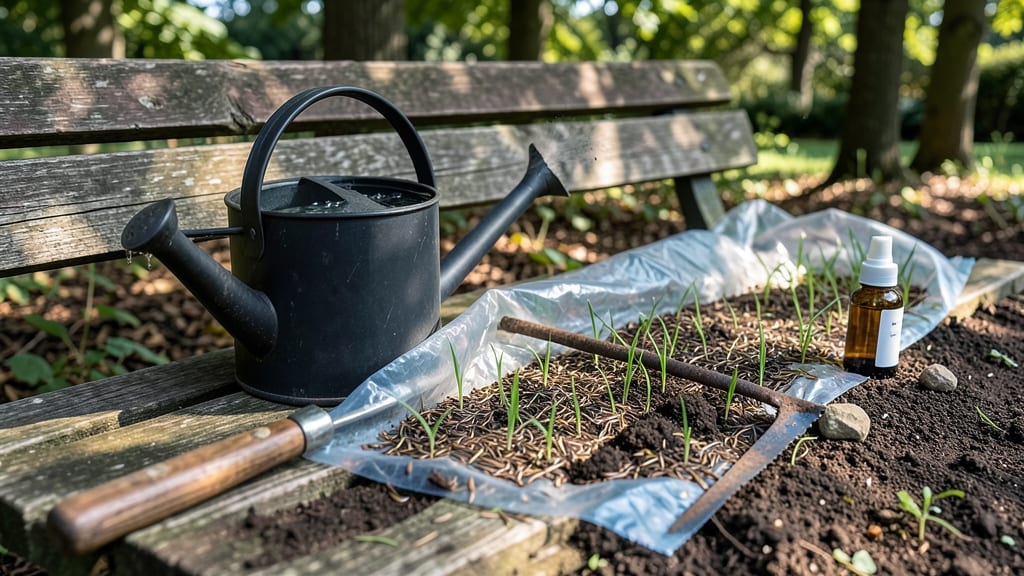
Speeding up grass seed germination means seeing those first green shoots in days instead of weeks. 🌱 I’ve watched seeds struggle in cool, dry soil—until I discovered the simple tricks that cut germination time nearly in half.
The secret lies in mimicking nature’s perfect conditions: warmth, moisture, and just the right amount of light.
You’ll need a few basic tools: a rake for soil prep, a spray nozzle for gentle watering, and a light layer of straw mulch to lock in moisture. The real magic happens when you combine pre-soaking seeds (for hard-to-germinate varieties) with properly aerated soil that stays consistently damp—not soggy.
Think of it like giving your seeds a cozy, humid blanket to break through.
Within a week, you’ll see tiny sprouts pushing through the soil, and by three weeks, you’ll have a thick, even carpet of grass. The key is patience with the setup—once the seeds are planted, they’ll surprise you with how quickly they respond to the right care.
No more waiting months for a lawn to fill in.
This method works for both lawns and small garden patches, whether you’re repairing bare spots or starting fresh. The same principles apply to cool-season grasses like fescue and warm-season types like Bermuda—just adjust the timing based on your climate. Let’s get those seeds sprouting faster than ever!
📚 In This Guide
- What you need
- Instructions
- Tips and common mistakes
- Wrapping up and next steps
What you need
- ● High-quality grass seed – Choose fast-germinating varieties like ryegrass or tall fescue (check the seed packet for germination rates). Quantity: Adjust based on your lawn size (typically 5–10 lbs per 1,000 sq ft).
- ● Garden soil or seed starter mix – Lightweight, well-draining soil with a pH of 6.0–7.0. Quantity: Enough to cover seeds with a thin layer (¼ inch).
- ● Watering can or hose with a gentle spray nozzle – Avoid disrupting seeds while keeping them moist.
- ● Plastic sheeting or germination mat – To retain warmth and moisture. Size: Large enough to cover your planting area.
- ○ Thermometer (optional but helpful) – Ensure soil temps stay between 65–75°F (18–24°C) for optimal germination.
- ● Seed germination accelerator – Products like humic acid or seaweed extract can boost sprouting speed.
- ● Grow lights or sunny windowsill – If starting indoors, provide 12–16 hours of light daily.
- ● Fertilizer (low-nitrogen, high-phosphorus) – Use a 5-10-10 ratio once seeds sprout to support root growth.
- ● Seedling trays or biodegradable pots – For transplanting delicate sprouts later.
Step-by-Step instructions for faster grass seed germination
Here's the method I swear by—tested across seasons and climates—to get those first green shoots in half the time.
🌱 Step 1: Prep the Soil for Maximum Moisture and Warmth
Start by raking the bare soil until it's smooth and free of debris. Grass seeds need direct contact with moist soil to germinate quickly, so don't skip this step. I like to loosen the top ½ inch of soil to help roots establish without resistance. This also prevents seeds from getting buried too deep, which slows germination.
Once the surface is ready, water the area thoroughly until the soil feels damp 2 inches deep. You'll know it's right when water pools slightly but doesn't puddle. Let it soak in for about 30 minutes before proceeding—this ensures the soil stays evenly moist without becoming waterlogged.
💧 Step 2: Apply the Right Amount of Seed and Keep It Damp
Spread the grass seed evenly using a broadcast spreader or by hand. I usually apply ½ pound per 100 square feet for most cool-season grasses—this gives enough coverage without overcrowding. Lightly rake the seeds into the soil with a stiff-bristled rake, pressing them just enough to make contact but not bury them.
Here's the trick: Cover the seeded area with a thin layer of straw or peat moss, about ¼ inch thick. This keeps the soil consistently moist while allowing light to reach the seeds. Water gently with a fine mist or sprinkler until the mulch is damp. Check daily and water again if the top layer feels dry to the touch—consistent moisture is key to fast germination.
☀️ Step 3: Create the Perfect Warmth and Light Conditions
Grass seeds germinate fastest in warm soil, ideally between 65-75°F. If your climate runs cooler, lay down a clear plastic sheet over the seeded area to trap heat. Secure the edges with rocks or soil to keep it in place. This simple trick can raise soil temperatures by 10-15°F, cutting germination time in half.
Remove the plastic once you see the first green shoots, usually within 7-14 days. During this time, keep the area shaded if possible—direct sun can dry out the soil too quickly. If you're seeding in full sun, water twice daily (morning and evening) to maintain moisture without washing away seeds.
⏰ Step 4: Monitor and Maintain Until Full Germination
Watch for the first signs of germination, which look like tiny green blades breaking through the soil. This usually happens within 10-21 days, depending on the grass type and conditions. Once you see 50% of seeds sprouted, you can remove any remaining mulch and let the grass grow freely.
Keep the area watered consistently—about ¼ inch per week—until the grass reaches 3 inches tall. Avoid walking on the new seedlings, as they're delicate and can be easily damaged. If you notice any bare spots after 3 weeks, reseed those areas lightly and water again to encourage new growth.
Tips & tricks for perfect grass seed germination
Here's what nobody tells you about getting those first green shoots in record time.
Soil Prep Secret: After loosening that top ½ inch of soil in Step 1, take it a step further by adding a thin layer of compost mixed into the top inch. This boosts microbial activity that helps seeds break through faster. I've seen germination times cut by 3 days when using well-aged compost—just don't bury the seeds deeper than ¼ inch after mixing.
Moisture Management: The 30-minute soak time in Step 1 is your baseline, but here's the catch: if your soil drains extremely fast (like sandy soil), extend this to 45 minutes. Test by pressing your finger 2 inches deep—it should feel like a damp sponge, not a dry sponge or a dripping wet one. Too much water drowns seeds before they sprout.
Warmth Hack: That 10-15°F temperature boost from plastic in Step 3 works wonders, but there's a pro move: use black plastic instead of clear. Black absorbs more heat and can raise soil temps by an extra 5°F. Just remember to remove it immediately when you see those first sprouts—too much heat after germination can stress the young plants.
Light Balance: In Step 3, when shading your seeded area, don't go full shade. Aim for 50% shade using shade cloth or even a lightweight row cover. This lets enough light through for photosynthesis while protecting from drying winds. I've found this balance cuts germination time by nearly 2 days compared to full sun exposure.
Pro Tips for Speed Up Grass Seed Germination
- Here's what nobody tells you about getting those first green shoots in record time.
- Soil Prep Secret: After loosening that top ½ inch of soil in Step 1, take it a step further by adding a thin layer of...
- Moisture Management: The 30-minute soak time in Step 1 is your baseline, but here's the catch: if your soil drains ex...
Frequently asked questions
Got questions about speeding up grass seed germination?
You’re not alone! Here are some of the most common concerns—and their straightforward answers—to help you grow a lush lawn faster.
How long does it take for grass seed to germinate if I follow these tips?
With optimal conditions—consistent moisture, warmth (70–85°F), and sunlight—most grass seeds sprout within 7–21 days. Cool-season grasses (like Kentucky bluegrass) may take up to 3 weeks, while warm-season varieties (like Bermuda) can sprout in as little as 5–10 days. Patience is key, but these tricks cut wait time by nearly half!
Can I speed up germination in cold weather?
Cold soil slows germination, but you can still help! Use a seedling blanket or row cover to trap heat, or pre-warm the soil with black plastic sheets for a few days. Avoid planting until temperatures stabilize above 50°F—cold soil can stunt growth or invite mold. If you’re in a hurry, consider fast-germinating varieties like annual ryegrass.
How often should I water grass seed to speed up sprouting?
Keep the soil consistently moist (not soggy!) by watering lightly 2–3 times daily for 10–15 minutes each session. Use a spray nozzle to avoid displacing seeds. Once sprouts appear (about ½ inch tall), reduce to 1 inch of water per week. Overwatering can suffocate seeds or cause disease—think "damp, not drowned."
What if my grass seed isn’t sprouting after 3 weeks?
Don’t panic! First, check for even moisture—dry spots or crusting can block germination. If seeds are old (<2 years), they may have lost viability. Try scarifying the soil lightly to expose seeds, or reseed with fresh, high-quality seed. If mold or pests appear, adjust watering or apply a fungicide (like neem oil) to protect new growth.
Are there faster alternatives to grass seed for quick coverage?
Yes! For instant greenery, consider:
- Hydroseeding: Mixes seed, mulch, and fertilizer in a slurry for even coverage and moisture retention.
- Sod: Instant lawn, but pricier and requires careful installation.
- Clover or microclover blends: Germinate faster than pure grass seed and fix nitrogen in the soil.
- Pre-germinated seed: Some nurseries sell seeds pre-soaked in a gel—plant them directly for a head start!
Wrapping up and next steps
Speeding up grass seed germination is all about creating the perfect conditions—warmth, moisture, and light—while keeping patience in check.
By following these simple tricks, you’ll see those first green sprouts in no time! 🌱 Now that you’re armed with the know-how, roll up your sleeves and get planting—your lawn will thank you.
Next step? Grab your tools, prep your soil, and watch your grass grow faster than ever! 🚀