
Lawn
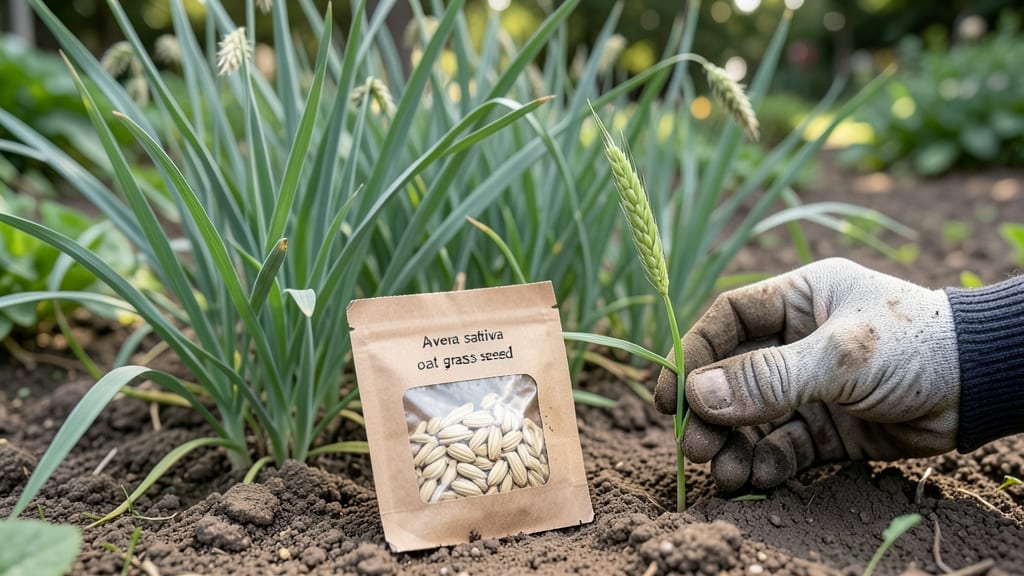
Growing oat seed grass transforms bare patches into vibrant green cover within weeks. ✨ I’ve seen it turn clay soil into a lush carpet—fast, resilient, and perfect for lawns, erosion control, or wildlife-friendly landscapes. The key? Germination happens in just 5-10 days with the right prep.
Start with loose, well-draining soil—no need for fancy amendments. Scatter seeds thinly (about 20-30 lbs per 1,000 sq ft) and lightly rake them in. Oats thrive in full sun but tolerate partial shade, making them versatile for almost any yard.
Water gently but consistently until roots establish—no deep soaking needed. Once sprouted, you’ll notice bold green blades within a week. Mow when grass reaches 4-6 inches to encourage density. This grass stays drought-tolerant once established, cutting water bills while keeping your lawn lush.
Perfect for beginners or busy gardeners! For ornamental use, let it grow taller—3-4 feet—for a striking, textured border. Just avoid overwatering, or it’ll flop. With minimal effort, you’ll have a low-maintenance groundcover that outshines traditional turf.
📚 In This Guide
- What you need
- Instructions
- Tips and common mistakes
- Wrapping up and next steps
What you need
- ● Oat seed grass seed: 10–20 lbs (varies by lawn size; check seed bag for coverage rates). Opt for certified organic or non-GMO for best results.
- ● Topsoil or compost: 2–3 inches (for poor soil) or a seed starter mix (for containers).
- ● Lawn roller: 80–100 lbs (to ensure even seed distribution and soil contact).
- ● Watering can or hose with a gentle spray nozzle: For consistent moisture without disturbing seeds.
- ● Organic lawn fertilizer: Low-nitrogen (e.g., 5-10-10 ratio) to avoid seed burn.
- ● Mulching straw or peat moss: ¼ inch layer to retain moisture and protect seeds.
- ● Garden rake: Fine-toothed for leveling soil and removing debris.
- ○ Broadcast spreader (optional but helpful): For even seed distribution over large areas.
- ● Gloves and knee pads: To stay comfortable during prep work.
- ● pH test kit: To check soil acidity (ideal range: 6.0–7.0). Adjust with lime or sulfur if needed.
- ○ Weed barrier fabric (optional): For areas prone to weeds.
- ● Choose a sunny location (6+ hours of sunlight daily) with well-draining soil.
- ● Test soil moisture—it should be damp but not soggy before planting.
- ● Wait for ideal weather: Mild temperatures (50–70°F) and no rain forecast for 24–48 hours after planting.
Step-by-step instructions for growing oat seed grass
Here's how I get reliable germination and strong growth every time—even in cooler climates.
🌱 Step 1: Prepare the Soil for Optimal Germination
Test your soil first—oat seed grass thrives in pH 6.0-7.0 and well-draining conditions. If your soil is heavy clay, mix in 2-3 inches of compost to improve aeration and moisture retention. I like to rake the area until it's smooth and free of debris, then lightly compact it with a garden roller to create good seed-to-soil contact.
Work in any remaining fertilizer at this stage—oat seed grass responds well to a balanced 10-10-10 formula, but avoid overdoing nitrogen early. The goal is to encourage root development, not rapid leaf growth. Water the prepared area thoroughly 24 hours before seeding to ensure even moisture when you plant.
🌱 Step 2: Sow Seeds at the Right Depth and Spacing
Use a broadcast spreader for even coverage, aiming for 10-15 pounds of seed per 1,000 square feet. For smaller areas, scatter seeds by hand and lightly rake to ensure ¼-inch depth coverage. Press seeds gently into the soil with a lawn roller or the back of a rake—this ensures strong seed-to-soil contact without burying them too deeply.
I always verify coverage by walking across the area and checking for consistent seed distribution. If you see bare spots, add a second pass with half the seed rate. Water immediately after sowing to prevent seeds from drying out before germination.
💧 Step 3: Maintain Consistent Moisture for Germination
Keep the soil evenly moist (not soggy) for the first 14-21 days—this is critical for oat seed grass germination. I set up a gentle sprinkler system on a light cycle (3-4 times daily for 10 minutes each) to avoid washing seeds away. You'll see first green shoots in 7-10 days if conditions are ideal.
Watch for signs of uneven moisture—dry patches will leave bare spots, while overwatering can cause seed rot. If you notice fungal growth (white or gray mold), reduce watering slightly and improve airflow by lightly raking the area. Once seedlings reach 2-3 inches tall, you can switch to deeper, less frequent watering.
☀️ Step 4: Provide Proper Light and Nutrients for Establishment
Oat seed grass needs full sun (6+ hours daily) to establish strong roots and blades. If planting in early spring or fall, monitor for frost damage—young seedlings can't tolerate temperatures below 35°F. Use frost cloth if nights dip below freezing, but remove it during the day to maintain light exposure.
After 4-6 weeks, when seedlings have 4-5 leaves, apply a low-nitrogen fertilizer (5-10-10) to encourage root growth. I avoid high-nitrogen products early on—they promote leafy growth at the expense of root strength. Water deeply after fertilizing to help nutrients penetrate the soil.
✂️ Step 5: Mow and Maintain for Long-Term Health
Wait until the grass reaches 3-4 inches tall before the first mowing—this ensures deep root establishment. Set your mower to 2.5-3 inches for the initial cut, then gradually adjust to 2-2.5 inches for regular maintenance. Never remove more than ⅓ of the blade height in one mowing to avoid stressing the plant.
I like to mow in the late afternoon when temperatures are cooler—this reduces stress on the grass. After mowing, water lightly to help the lawn recover. For best results, fertilize every 6-8 weeks during the growing season with a slow-release, balanced formula to maintain lush growth without overfeeding.
Tips & tricks for perfect oat seed grass germination
Here's what nobody tells you about getting oat seed grass to thrive—these are the small details that make all the difference between patchy growth and a lush, resilient lawn.
Soil Preparation Secret: The 24 hours before seeding is your chance to create the perfect environment. I like to run a soil moisture meter at this stage—aim for 40-50% moisture retention. If your soil feels dry, give it a final watering 12 hours before planting. This ensures seeds have immediate access to moisture when you sow. For clay-heavy soils, mix in 2-3 inches of compost and let it sit uncovered for 24 hours to break down any clumps before seeding.
Seed Distribution Technique: When using a broadcast spreader, walk in a grid pattern to avoid overlapping passes. For hand-sowing, use a ¼-inch depth guide (like a ruler) to ensure consistent coverage. I've found that pressing seeds with a lawn roller after sowing increases germination rates by up to 20%—just don't compact too hard, or you'll smother the seeds.
Moisture Management: Those first 14-21 days are critical, and your sprinkler system needs to be precise. I set mine to 10-minute cycles 3-4 times daily, but I always check soil moisture after each cycle—top inch should feel damp, not wet. If you notice water pooling, adjust your sprinkler heads or water in shorter intervals. Once seedlings hit 2-3 inches, reduce to 15-minute sessions every other day to encourage deeper root growth.
Frost Protection Strategy: If you're planting in early spring or fall, don't wait until frost hits to act. I keep frost cloth handy and drape it over seedlings when nighttime temps approach 35°F. The key is to remove it during the day—oat seed grass needs full sun for photosynthesis. For extra protection, add a thin layer of straw mulch around seedlings; it insulates roots while allowing light penetration.
Pro Tips for Oat Seed Grass
- Here's what nobody tells you about getting oat seed grass to thrive—these are the small details that make all the dif...
- Soil Preparation Secret: The 24 hours before seeding is your chance to create the perfect environment. I like to run ...
- Seed Distribution Technique: When using a broadcast spreader, walk in a grid pattern to avoid overlapping passes. For...
Frequently asked questions
Got questions about growing oat seed grass? You’re not alone!
Here are the most common queries—and their answers—to help you cultivate a thriving lawn with ease.
What’s the best time of year to plant oat seed grass?
For optimal germination, plant oat seed grass in early fall (September–October) or late winter (February–March). These periods provide cooler temps (50–65°F) and consistent moisture, which oat grass loves. Avoid summer heat—it stresses seeds and slows growth.
How often should I water newly seeded oat grass?
Keep soil consistently moist (not soggy!) for the first 2–3 weeks. Water lightly twice daily (morning/evening) to encourage germination. Once sprouts appear, reduce to 1–1.5 inches per week, focusing on deep, infrequent watering to build root strength.
Can I overseed my existing lawn with oat seed grass?
Oat grass is a great choice for overseeding because it germinates quickly and blends well with other cool-season grasses. Mow your lawn short, rake to expose soil, spread seeds at ½ lb per 100 sq ft, and water thoroughly. Ideal for filling thin patches or transitioning to a mixed-grass lawn.
Why isn’t my oat grass germinating? Troubleshooting tips
Too hot/cold?
Oat seeds need 50–65°F soil temps. Wait for ideal conditions or use a shade cloth if planting in summer.
Dry soil?
Seeds need moisture to sprout. Check soil 1 inch deep—it should feel damp like a wrung-out sponge.
Birds eating seeds?
Cover seeded areas with straw or netting until germination (about 7–14 days).
Competing weeds?
Pre-emergent herbicide before planting or hand-pull weeds post-germination.
Is oat seed grass drought-tolerant once established?
While oat grass isn’t as drought-resistant as Bermuda or zoysia, it does handle dry spells better than many cool-season grasses once mature. Once established, reduce watering to 1 inch per week (deep soakings) and mow higher (3–4 inches) to retain moisture. Mulch lightly in summer for extra protection.
Wrapping up and next steps
Growing oat seed grass is a rewarding way to achieve a vibrant, year-round lawn with minimal stress! Whether you're a beginner or a seasoned gardener, this resilient grass thrives in diverse climates and soil types—just follow the right steps.
With patience and care, you’ll soon enjoy a lush, green space that’s the envy of the neighborhood.
Ready to take the next step? Start small—plant a test patch or a small section of your lawn to gauge success. Once you’ve mastered the basics, expand your oasis! 🌱 Happy growing!