
Lawn
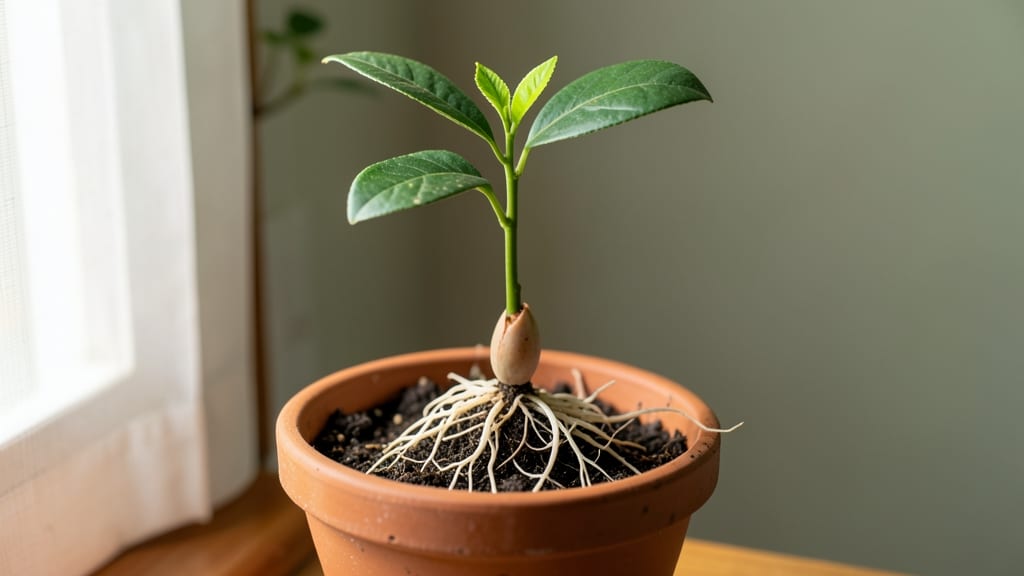
Growing a mango tree from the mango seed root starts with a twist-free pod extraction—this simple step makes all the difference between a viable seedling and wasted effort. 🌱 I’ve learned the hard way that forcing the seed out can damage the delicate root, so we’ll take our time to coax it free without a struggle.
The reward? A tropical tree that could one day bear fruit in your own backyard, even if it takes years to mature. You’ll need just a few supplies: a ripe mango, a sharp knife, a bowl of warm water, and a small pot with well-draining soil.
The key is patience—mango seeds can take 4-6 weeks to germinate, and the early stages require consistent moisture without drowning the seed. Too much water smothers the root; too little stops growth entirely. Once sprouted, your seedling will need bright, indirect light to prevent leggy growth.
A sunny windowsill or grow light works perfectly, and you’ll see true leaves emerge within 2-3 months. This is where most beginners quit—don’t! The real magic happens years later, when your tree finally flowers and (if you’re lucky) produces fruit.
This method works for any mango variety, though store-bought seeds may not yield true fruit. For best results, use seeds from a ripe, organic mango—your future tree will thank you with glossy leaves and the promise of tropical flavors.
📚 In This Guide
- What you need
- Instructions
- Tips and common mistakes
- Wrapping up and next steps
What you need
- ● Fresh, ripe mangoes (2–4, depending on seed size preference)
- ● Sharp knife or pruning shears (for clean cuts)
- ● Paper towels or clean cloth (for drying seeds)
- ● Small bowl or container (for seed extraction)
- ● Plastic wrap or ziplock bag (for seed stratification)
- ● Potting soil mix (well-draining, 50% peat/50% perlite or coco coir)
- ● Small pots (3–4 inches wide) (1 per seedling)
- ● Spray bottle (for gentle watering)
- ● Label markers (to track seedling progress)
- ● Seedling heat mat (to speed up germination)
- ● Humidity dome or plastic wrap (for a mini greenhouse effect)
- ● Fertilizer (balanced 10-10-10 or compost) (once roots sprout)
- ● Grow lights (if natural light is limited)
- ● Pruning scissors (for future pod maintenance)
Step-by-Step instructions for extracting mango seeds without damage
Here’s how to carefully remove seeds from mango pods while keeping them intact for growing.
🍈 Step 1: Select and Prepare the Ripe Mango
Pick a mango that’s fully ripe—its skin should give slightly when gently pressed, and the color should be deep, even yellow or red. Avoid overripe fruit with soft spots, as the seeds inside may already be compromised. Wash the mango thoroughly under cool water to remove any wax or residue that could interfere with seed extraction.
Use a sharp, serrated knife to cut the mango lengthwise, starting at the stem end and slicing down to the bottom. Apply gentle pressure to avoid crushing the seed inside. The goal is to expose the seed pod cleanly while keeping it whole. If the pod feels loose inside, it’s ready—if it’s still firmly attached, let the mango sit at room temperature for another day to soften further.
🪴 Step 2: Extract the Seed Pod Without Breaking It
Once the mango is cut open, locate the large, flat seed pod nestled in the center. Use a spoon to carefully scoop out the surrounding fruit flesh, working from the edges inward. Avoid pressing directly on the pod—its outer shell is brittle and can crack if handled roughly. If the pod feels slippery, a damp paper towel can help grip it without damaging the surface.
Gently twist the pod free from any remaining fruit fibers. If it resists, wiggle it side to side rather than applying force. A whole, unbroken pod is key—even small cracks can let moisture escape and dry out the seed inside. Place the pod on a clean towel to dry for 10-15 minutes before moving to the next step.
💧 Step 3: Clean and Dry the Seed Pod for Germination
Rinse the pod under lukewarm water to remove any lingering fruit pulp or sticky residue. Pat it dry with a paper towel, then let it air-dry completely in a warm, shaded spot. Avoid direct sunlight or heat sources, which can dry the pod too quickly and stress the seed. A well-ventilated area with 70-75°F temperatures is ideal for drying.
Once the pod feels light and the outer shell looks matte (not glossy), it’s ready for seed extraction. If the pod cracks open on its own during drying, the seed inside may already be compromised—discard it and try another. A properly dried pod will stay intact until you’re ready to open it for planting.
⏰ Step 4: Open the Pod and Prepare the Seed for Planting
When the pod is fully dry, place it on a flat surface and gently tap the wider, flatter side with a hammer or mallet. Start with light taps—you’re aiming to split the shell cleanly without crushing the seed inside. Listen for a clean crack rather than a dull thud, which signals the seed is still intact. If the pod resists, let it dry another day.
Once opened, you’ll see a single, dark brown seed encased in a papery skin. Peel away the outer layers carefully—this seed is your future tree! If the seed feels dry or shriveled, soak it in warm water for 24 hours to rehydrate before planting. A plump, firm seed is your best bet for successful germination.
Tips & tricks for perfect mango seed extraction
Real talk: Extracting a mango seed without damaging it takes patience—but these tricks will help you nail it every time.
Pod Handling: In Step 2, when you're scooping out the fruit flesh, use a spoon with a slightly rounded edge to avoid pressing directly on the pod. I've ruined more pods than I'd like to admit by being too aggressive—think of it like removing a delicate egg from a nest. A damp paper towel works wonders for grip without adding moisture that could weaken the shell.
Drying Wisdom: The 10-15 minute drying time in Step 2 is non-negotiable for surface moisture, but don't rush the complete drying in Step 3. I learned this the hard way when my first pod cracked open during drying—now I check for a matte finish and light weight before proceeding. A hairdryer on low heat can speed this up slightly if you're impatient, but avoid direct heat.
Seed Viability Check: After opening the pod in Step 4, your seed should feel heavy for its size—this indicates moisture content. If it feels light or hollow-sounding when tapped, it's likely non-viable. A quick soak in warm water for 24 hours (as mentioned) can revive some seeds, but don't expect miracles with completely dried-out specimens.
Equipment Upgrade: While a hammer works, I've found a small rubber mallet or even a wooden spoon works better for tapping the pod in Step 4. The shock absorption prevents crushing the seed inside. Place the pod on a thick towel or folded newspaper to protect your work surface from any accidental cracks.
Pro Tips for Mango Seed Root
- Real talk: Extracting a mango seed without damaging it takes patience—but these tricks will help you nail it every time.
- Pod Handling: In Step 2, when you're scooping out the fruit flesh, use a spoon with a slightly rounded edge to avoid pressing directly on the pod.
- Drying Wisdom: The 10-15 minute drying time in Step 2 is non-negotiable for surface moisture, but don't rush the complete drying in Step 3.
Frequently asked questions
Got questions about growing mango seed roots? You’re not alone—this unique plant has quirks! Below, we tackle the most common curiosities, from timing to troubleshooting, so you can grow with confidence.
How long does it take for a mango seed root to sprout?
A mango seed typically sprouts within 2–4 weeks after planting, depending on warmth and moisture. Keep the soil consistently damp (not soggy) and place it in a sunny spot. Patience is key—some seeds take up to 6 weeks! If nothing happens after a month, gently check for rot or replant.
Can I grow a mango seed root faster?
Speed up germination by soaking the seed in warm water for 24–48 hours before planting. Use a seedling heat mat (75–85°F) or place the pot in a warm, sunny window. Avoid overwatering—dampness without airflow can slow growth. With these tweaks, you might see sprouts in 1–2 weeks!
What if my mango seed root grows twisted or crooked?
Twisted growth is common! If the stem bends toward light, rotate the pot quarter-turns weekly to encourage straight growth. For severe twists, gently guide the stem (don’t force it) as it grows. If the root curls into a spiral, it’s likely a natural “monkey tail” pattern—harmless and even prized for bonsai!
Can I grow a mango seed root indoors year-round?
Yes! Mango seed roots thrive indoors with bright, indirect light (a south-facing window or grow light works best). Keep temperatures above 60°F and mist leaves occasionally. In winter, reduce watering—overwatering in low light causes root rot. For outdoor growth, transplant after the last frost when soil is warm.
What’s the best alternative if my seed doesn’t sprout?
If your seed fails, try these viability boosters:
- Test freshness: Squeeze the seed—it should be firm, not mushy.
- Try stratification: Chill the seed in a damp paper towel in the fridge for 7–14 days before replanting.
- Use a different seed: Some mango varieties (like Alphonso or Keitt) sprout more reliably.
- Buy a starter plant: Nurseries often sell young mango seed roots for instant growth!
Wrapping up and next steps
Growing a mango seed root is a rewarding journey that starts with patience and the right technique—especially when it comes to twist-free pod extraction! By following these steps, you’ll maximize your chances of sprouting a healthy, viable seedling.
Whether you’re dreaming of a tropical garden or just love the idea of nurturing life from something as simple as a mango pit, you’ve got this!
Ready to take the next step? Once your seedling is thriving, consider transplanting it into a larger pot or garden bed. With time, care, and a little green thumb magic, you might just grow a mango tree that yields fruit for years to come! 🌱✨