
Lawn
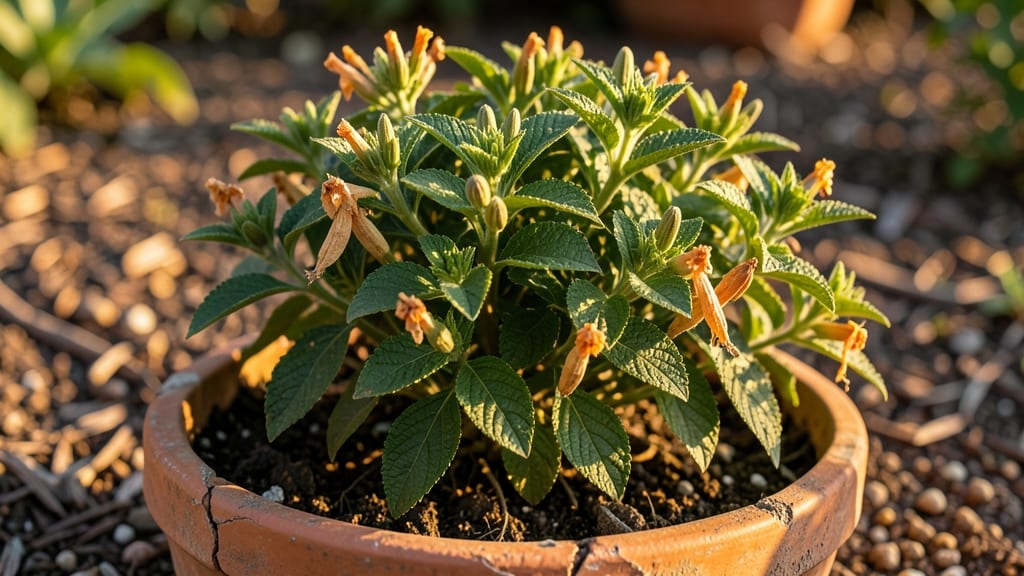
Harvesting lantana seed pods before they burst is the secret to growing next year’s plants—without the messy, unexpected spread you see everywhere else. 🌿 Those papery brown pods pack dozens of tiny seeds, but timing and technique make all the difference between success and frustration.
The key is patience: let pods dry fully on the plant or indoors, then crack them open when they’re crispy—never when they’re still green. I’ve learned that rushing leads to moldy seeds, while waiting too long means the wind steals them first.
A simple paper bag over the plant catches what falls naturally. Once you’ve got the seeds, germination is shockingly easy—no stratification needed. Just sprinkle them on top of well-draining soil and keep it barely moist.
You’ll see sprouts in 10-14 days, and they’re tough enough to handle black thumb moments. This method works for any lantana variety, whether you’re saving seeds from your yard or starting a whole new collection. Here’s how to do it right the first time.
📚 In This Guide
- What you need
- Instructions
- Tips and common mistakes
- Wrapping up and next steps
What you need
- ● Pro tip: Harvest pods on a dry, sunny day—this minimizes moisture and speeds up drying! 🌞💡
How to harvest lantana seed pods for reliable germination
Here's my foolproof method for collecting and storing lantana seeds—no fancy tools needed.
🌱 Step 1: Identify and Select Mature Seed Pods
Wait until late fall or early winter when lantana stems turn completely brown and crispy. The pods will look like tiny, dried-up paper balls about ¼ inch wide. Gently squeeze one—if it crumbles easily and releases tiny black seeds inside, it's ready. I always harvest on a dry morning so the pods don't stick to my hands.
Look for pods that are uniformly brown, not green or partially dried. Green pods mean the seeds inside aren't fully mature and won't germinate well. You'll find clusters of these at the ends of branches, so work your way systematically from one end of the plant to the other.
💧 Step 2: Collect and Dry the Pods Properly
Place the harvested pods in a single layer on a clean, dry paper towel. I use a shallow baking sheet lined with parchment paper to make cleanup easier. Let them dry for 3-5 days in a warm, dry spot away from direct sunlight. This prevents mold from forming inside the pods while ensuring the seeds stay viable.
After drying, gently rub the pods between your fingers over a clean white plate. The dried paper-like husks will crumble away, leaving behind tiny black seeds that look like specks of pepper. I always count about 500-800 seeds per mature plant, so you won't need many plants to get plenty of seeds.
⏰ Step 3: Store Seeds for Optimal Germination
Transfer the seeds to a small paper envelope or airtight container with a desiccant packet. I like using those tiny envelopes you get from seed companies—they're perfect for storing just a few hundred seeds. Label it with the date and variety if you're growing multiple types. Store the seeds in a cool, dark place like a pantry or seed drawer.
Lantana seeds stay viable for 2-3 years when stored properly, but I always sow them within a year for best results. The key is keeping them dry—moisture is the enemy of seed longevity. If you notice any condensation inside the container, transfer the seeds immediately to a new dry container.
☀️ Step 4: Stratify Seeds for Faster Germination
Before sowing, give the seeds a 4-6 week cold stratification to mimic winter conditions. Place the seeds in a sealed plastic bag with a damp paper towel, then refrigerate. Check them weekly—the towel should stay moist but not soggy. This cold treatment breaks dormancy and significantly improves germination rates.
After stratification, sow the seeds ¼ inch deep in a well-draining seed-starting mix. Keep the soil consistently moist but not wet, and place the container in a warm spot with bright, indirect light. You should see sprouts in 2-4 weeks, though some seeds may take longer—lantana is patient like that.
Tips & tricks for perfect lantana seed pod harvesting
A few simple tricks will help you maximize your lantana seed yield and ensure those tiny specks stay viable for next year's garden.
Timing is Everything: Harvest on a dry morning after the first light frost—this ensures pods are fully mature but haven't absorbed moisture. I've found that waiting until stems turn completely brown (not just yellow) guarantees seeds that'll germinate reliably. If you harvest too early, you'll end up with seeds that won't sprout, no matter how well you store them.
Drying Strategy: The 3-5 day drying period is non-negotiable for preventing mold, but don't let the pods sit in direct sunlight. I place mine on a baking sheet near a sunny window where they get indirect light—this keeps them dry without overheating. If you notice any condensation on the paper towel, move them to a warmer spot to speed up evaporation.
Seed Extraction Hack: Instead of rubbing pods between your fingers (which can be messy), I use a clean coffee filter stretched over a bowl. Place dried pods on the filter, then gently shake or tap them—the seeds will fall through while the husks stay behind. This method catches every last seed without the mess of crumbling pods everywhere.
Storage Wisdom: Those tiny desiccant packets in seed envelopes aren't just for show—they're crucial for maintaining seed viability. I keep my stored seeds in the back of my pantry where it stays consistently cool (around 60°F) and dark. The key is checking for moisture every few months—if you see any condensation, transfer seeds to a new container immediately.
Pro Tips for Lantana Seed Pod
- A few simple tricks will help you maximize your lantana seed yield and ensure those tiny specks stay viable for next year's garden.
- Timing is Everything: Harvest on a dry morning after the first light frost—this ensures pods are fully mature but haven't absorbed moisture.
- Drying Strategy: The 3-5 day drying period is non-negotiable for preventing mold, but don't let the pods sit in direct sunlight.
Frequently asked questions
Got questions about lantana seed pods?
Here are some common ones—plus quick, practical answers to help you master harvesting and storage for next year’s growth!
When is the best time to harvest lantana seed pods?
Harvest seed pods when they’re fully dry and brown (usually late fall to early winter). Avoid harvesting too early—they won’t be viable, and too late means they may split open and scatter seeds naturally. Pro tip: Check pods daily in peak season for the perfect timing!
How do I store lantana seed pods for planting next year?
Store pods in a cool, dry place (like a paper bag or envelope) away from moisture. Seeds stay viable for 1–2 years if kept dry. Pro tip: Label pods with the harvest date to track freshness!
What if my lantana seed pods won’t open naturally?
If pods stay closed, try lightly crushing them with a hammer or rolling pin to release seeds. Alternatively, soak pods in warm water for 24 hours—this can help loosen seeds inside. Warning: Wear gloves; some lantana varieties have milky sap that can irritate skin.
Can I plant lantana seeds directly in the ground?
Yes! Scatter seeds on well-draining soil in spring after the last frost. Press them lightly into the soil—lantana seeds need light to germinate, so don’t bury them. Pro tip: Mulch lightly to retain moisture until sprouts appear (usually in 2–4 weeks).
Are lantana seed pods invasive in my area?
Lantana can be invasive in warm climates (USDA Zones 8–11), spreading aggressively if not controlled. Check local regulations before planting—some areas restrict it. Solution: Grow in containers or prune regularly to limit spread.
Wrapping up and next steps
Harvesting lantana seed pods is a simple yet rewarding way to ensure vibrant blooms next season—no green thumb required! With the right tools and timing, you can effortlessly collect viable seeds for propagation. Think of it as nature’s way of giving you a head start on a lush, colorful garden.
Ready to take the next step? Start small: Try harvesting pods from just one or two plants to practice your technique. Once you’ve mastered it, you’ll be well on your way to expanding your lantana collection—or even sharing seeds with fellow gardening enthusiasts. Happy harvesting! 🌱✨