
Lawn
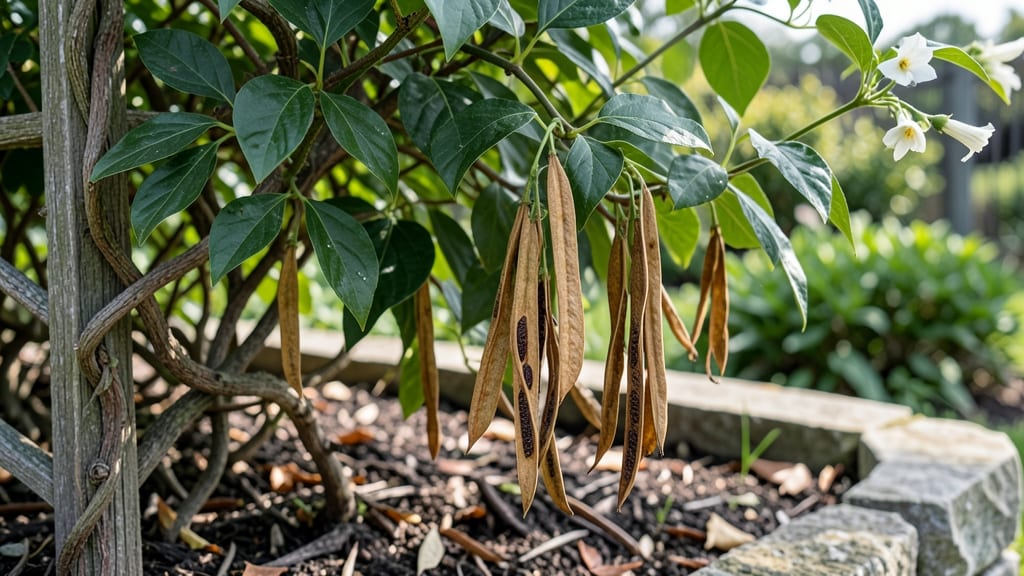
Harvesting jasmine seed pods turns a single summer bloom into a lifetime of fragrant vines. 🌿 The secret lies in timing—wait until the pods turn brown and papery, then collect them before they split open on their own.
My first attempt at growing jasmine from seed failed because I didn’t dry the pods properly, but once I cracked the process, I now have vines thriving in both pots and garden beds.
You’ll need just a few simple supplies: sharp scissors, paper bags for drying, a warm spot with airflow, and small pots or a seed-starting tray. Star jasmine and Confederate jasmine are the easiest varieties to grow from seed, and they reward patience with glossy leaves and intoxicating blooms.
The key is scarification—either nicking the pods with sandpaper or soaking them overnight to mimic natural weathering.
By the time you’re ready to sow, you’ll have soft, pliable seeds that sprout within 2-4 weeks in warm soil. Keep them in bright, indirect light until they’re sturdy enough to transplant outdoors after the last frost.
The fragrance alone makes the effort worthwhile—imagine climbing vines heavy with blossoms that perfume your patio all summer long.
Works for both indoor containers and outdoor trellises, and the same method applies to other fragrant climbers like honeysuckle. Here’s how to avoid the pitfalls and keep your jasmine vines blooming year after year.
📚 In This Guide
- What you need
- Instructions
- Tips and common mistakes
- Wrapping up and next steps
What you need
- ● Jasmine plants: Mature Jasminum varieties (e.g., Jasminum officinale or Jasminum sambac) with ripe seed pods (green turning brown). Aim for 3–5 healthy plants for a good yield.
- ● Pruning shears or sharp scissors: Clean, sterilized tools to avoid spreading disease. Opt for bypass pruners for precision.
- ● Glove: Garden or nitrile gloves to protect hands from thorns and sap.
- ● Paper bags or breathable fabric sacks: 2–3 large bags (12x18 inches) for collecting pods and allowing airflow.
- ● Labeling tags & marker: To track pod maturity and harvest dates.
- ● Spray bottle with water: For lightly misting pods if they’re overly dry.
- ● Drying rack or screen: Elevate pods for even drying (e.g., wire mesh tray or hanging mesh bags).
- ● Seed extraction tools: Small hammer or mallet (for stubborn pods) or mortar & pestle (for delicate seeds).
- ● Humidity monitor: Ideal for tracking drying conditions (aim for 40–50% humidity).
- ● Air-tight containers: Glass jars with tight lids for long-term seed storage (add silica gel packets to prevent moisture).
How to harvest and grow jasmine from seed pods
Here's the simple way to collect and propagate jasmine seeds for future fragrant blooms.
🌿 Step 1: Identify and Collect Mature Seed Pods
Jasmine seed pods form after flowers fade—look for small, green pods that turn brown and papery as they mature. I wait until they’re completely dry and split open naturally; this usually takes 4-6 weeks after flowering. Gently twist the pod to release the seeds inside, or let it open on its own.
Collect pods in the morning when humidity is low to prevent mold. Store them in a paper bag (not plastic) in a cool, dry place until ready to use. If you miss the harvest window, pods will burst open on their own, scattering seeds everywhere.
💧 Step 2: Prepare Seeds for Germination
Jasmine seeds have a hard outer coating, so I soak them in warm water for 24 hours to soften it. Place seeds in a small bowl, cover them completely, and let them sit. This step mimics natural rain and speeds up germination. After soaking, drain and rinse the seeds gently.
If you’re impatient, you can lightly nick the seed coat with a sharp knife—just enough to break the surface. This trick helps seeds sprout faster, especially in cooler climates. I’ve found that pre-treated seeds germinate in 2-3 weeks instead of the usual 4-6 weeks.
☀️ Step 3: Plant Seeds in Well-Draining Soil
Fill small pots with a mix of 50% potting soil and 50% perlite to ensure good drainage—jasmine roots rot easily if too wet. Plant seeds ¼ inch deep, spacing them 1 inch apart. Water lightly until the soil is moist but not soggy, then cover the pots with plastic wrap to retain humidity.
Place the pots in a warm spot with bright, indirect light (like a sunny windowsill). Avoid direct sun at first—young seedlings can scorch. Keep the soil consistently moist by misting daily or using a humidity tray. You’ll see tiny sprouts in 2-3 weeks if conditions are right.
🌱 Step 4: Transplant and Encourage Growth
Once seedlings have 2-3 sets of true leaves (not just the initial seed leaves), transplant them into 4-inch pots with fresh potting mix. Harden them off by moving them outside for 1-2 hours daily over 7-10 days before permanently planting in the garden or larger containers.
Jasmine thrives in full sun to partial shade and well-draining soil. Prune leggy growth to encourage bushier plants, and fertilize lightly every 4-6 weeks with a balanced fertilizer. With patience, your seedlings will flower in 1-2 years—worth the wait for that intoxicating scent!
Tips & tricks for perfect jasmine seed pod harvesting
Here's what I've learned after years of growing jasmine from seed pods—these little tricks make all the difference.
Timing is Everything: The 4-6 week window for pod maturity is critical. I mark the date when flowers fade to track progress—this prevents collecting pods too early when seeds aren't fully developed. If you're in a humid climate, pods may rot before drying, so collect them immediately when they turn brown and papery. A quick way to test readiness is to gently squeeze the pod—if it opens easily, it's ready!
Seed Prep Shortcut: While the 24-hour soak is standard, I've found that adding 1 teaspoon of hydrogen peroxide to the warm water helps prevent mold and speeds up germination. Just drain and rinse thoroughly before planting. For extra insurance, you can also soak the seeds in a 1:4 water-to-vinegar solution for 10 minutes before the full 24-hour soak—this sterilizes the seed coat without damaging it.
Lighting Strategy: Bright indirect light is key during the germination phase, but don't overlook the importance of consistent temperatures. Place your seed pots on top of the fridge (not inside) for a steady warm spot—this mimics the tropical conditions jasmine loves. If your home gets chilly at night, consider using a seedling heat mat set to 70-75°F to maintain optimal germination conditions.
Transplanting Hack: When it's time to move seedlings to 4-inch pots, I use a small spoon to gently loosen the soil around the roots before transferring. This minimizes root shock and helps prevent the fragile seedlings from breaking. After transplanting, give them a light misting with water mixed with seaweed extract (just a few drops) to boost their natural defenses against transplant stress.
Pro Tips for Jasmine Seed Pods
- Here's what I've learned after years of growing jasmine from seed pods—these little tricks make all the difference.
- Timing is Everything: The 4-6 week window for pod maturity is critical.
- Seed Prep Shortcut: While the 24-hour soak is standard, I've found that adding 1 teaspoon of hydrogen peroxide to the warm water helps prevent mold and speeds up germination.
Frequently asked questions
Got questions about harvesting jasmine seed pods? You’re not alone! Here are some of the most common concerns—plus straightforward answers to keep your fragrant blooms thriving.
When is the best time to harvest jasmine seed pods?
Harvest seed pods when they’re fully dry and brown (usually late summer to early fall). If you pick them too early, they won’t contain viable seeds. Wait until the pods split open naturally—this signals readiness! Avoid harvesting in wet weather to prevent mold.
How do I safely remove seed pods without damaging the plant?
Use clean, sharp pruning shears to snip pods at the base. Avoid tugging—this can harm stems or encourage disease. Wear gloves if your jasmine has thorns (like Jasminum officinale), and work on a dry day for easier handling. Trim excess foliage too, but leave at least ⅓ of the plant’s structure intact.
Can I reuse jasmine seed pods for anything besides planting?
Dry pods make natural potpourri or fragrant sachets for closets. Crush them slightly to release oils, then store in muslin bags. You can also compost spent pods (if pesticide-free) for nutrient-rich soil—or use them in DIY crafts like wreaths or dried floral arrangements.
What do I do if my seed pods aren’t forming or fall off early?
Early pod drop often signals stress—check for under/overwatering, poor soil drainage, or pests (like aphids). Ensure your jasmine gets 6+ hours of sunlight and well-draining soil. If blooms appear but no pods form, the plant may need phosphorus-rich fertilizer (like bone meal) to support seed development.
Are jasmine seed pods toxic to pets or kids?
Jasmine seed pods themselves aren’t toxic, but ingestion in large quantities can cause mild stomach upset (like vomiting). Keep pods out of reach of curious pets/kids. If you’re using them in crafts, opt for sealed containers to prevent accidental nibbling. When in doubt, consult your vet or a poison control center.
Wrapping up and next steps
Harvesting jasmine seed pods doesn’t have to be a stressful task—with the right tools, timing, and patience, you can enjoy fragrant blooms year after year! Whether you’re a seasoned gardener or just starting out, these tips will help you stress-free collection and propagation. 🌸
Now that you’re equipped with knowledge, why not take the next step? Try harvesting a few pods today, experiment with growing new plants, or even share your jasmine cuttings with fellow gardening enthusiasts. Your garden—and your senses—will thank you! 🌿