
Lawn
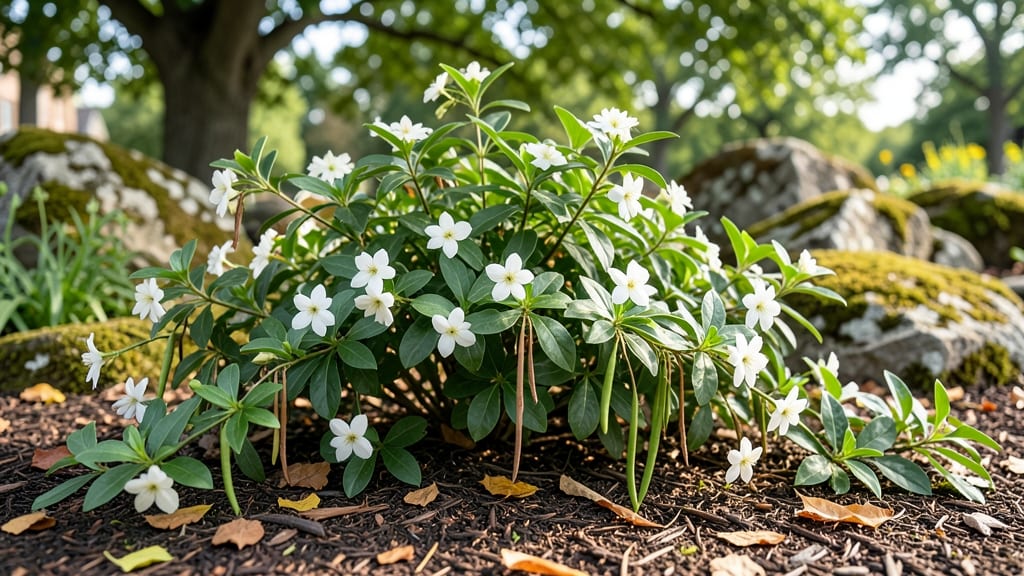
Harvesting star jasmine seed pods turns garden waste into free plants—no fancy tools or patience required. 🌱 I’ve collected these papery pods for years, and the process is simpler than it looks: just wait for them to turn brown, then gently twist them off the vine when they’re dry.
The real magic happens when you crack them open to reveal tiny, glossy seeds that’ll grow into fragrant climbers.
Most gardeners skip this step because star jasmine is usually propagated from cuttings, but seeds offer variety and zero cost. You’ll need just three things: a paper bag for collecting pods, a damp paper towel for quick germination checks, and a small pot with well-draining soil.
No stratification needed—these seeds sprout reliably in 4-6 weeks with consistent moisture and warmth.
What you’ll end up with are lush, vine-like seedlings that’ll climb trellises or fences, filling your garden with sweet jasmine scent by next summer. The first true leaves appear delicate but toughen up fast—just keep them in bright, indirect light until they’re ready for outdoor planting.
Even if germination rates feel slow, don’t give up: some seeds take longer, but persistence pays off.
Pro tip: Label your seedlings early, since star jasmine varieties can vary in leaf shape and growth habit. And if mold appears on the soil surface, let it dry out a bit—overwatering is the #1 killer of young seedlings.
Once established, these plants thrive with minimal care, making them perfect for low-maintenance gardens.
📚 In This Guide
- What you need
- Instructions
- Tips and common mistakes
- Wrapping up and next steps
What you need
- ● Star jasmine seed pods: Fresh, mature pods (green turning brown) from healthy plants. Aim for at least 10-15 pods to ensure a good seed yield.
- ● Sharp scissors or pruning shears: Clean, sterilized tools to snip pods without damaging the plant. Bonus tip: Disinfect with rubbing alcohol for hygiene! 🧼
- ● Paper towels or newspaper: For drying and separating seeds. Use 2-3 sheets per batch.
- ● Small bowls or containers: Shallow dishes (like ramekins or muffin tins) for seed sorting. 3-4 containers work well.
- ● Labeled envelopes or seed packets: 5-10 envelopes (branded or DIY with paper + tape) to store seeds. Write the date and variety!
- ○ Fine-mesh strainer or sieve: Optional but helpful for sifting out debris. A #100 mesh strainer works perfectly.
- ● Desiccant packets: Tiny silica gel packs to keep seeds dry in storage. Place 1 packet per envelope for long-term freshness.
- ● Magnifying glass: For inspecting seed viability (look for plump, intact seeds).
- ● Spray bottle with water: To gently mist pods if they’re stubbornly sticky.
- ● Permanent marker or labels: Waterproof labels for outdoor storage or bulk seed bags.
- ● Humidity-controlled container: A sealed jar with a boveda pack (for ~50% humidity) to preserve seeds for years.
How to harvest star jasmine seed pods for zero-waste seed saving
Here's my favorite method for collecting seed pods without stressing the plant or wasting a single seed.
🌿 Step 1: Identify and Monitor Mature Seed Pods
Star jasmine seed pods form after your plant finishes blooming, usually in late summer or early fall. Look for pods that are dry and papery—they'll turn from green to a light tan color and feel slightly crisp when gently squeezed. I check my plants every 5-7 days starting in August, since pods ripen unevenly.
Don't harvest pods that are still green or soft—they won't contain viable seeds. The pods should open naturally when fully mature, revealing the seeds inside. If you pick them too early, you'll waste time and energy. I always harvest on a dry morning after the dew has evaporated to prevent mold from forming.
✂️ Step 2: Harvest Pods Gently to Preserve Seeds
Use clean, sharp pruning shears to snip the pods directly from the stem. I make a clean cut about ½ inch below the pod to avoid damaging the plant. Place the harvested pods in a paper bag—this allows them to dry further while preventing seeds from scattering. Never use plastic bags, as they trap moisture and encourage mold growth.
Handle the pods carefully—they're delicate when dry. If you accidentally crush one, the seeds inside will scatter, making collection difficult. I like to work on a clean towel to catch any seeds that might fall during harvesting. Once you've collected all the pods, leave them in a dry, shaded spot for 3-5 days to fully dry out before opening.
🪴 Step 3: Extract and Store Seeds Properly
After the pods are completely dry, gently squeeze or rub them between your fingers over a clean sheet of paper. The pods should open easily, releasing the seeds inside. I find it helpful to wear gloves for this step—some star jasmine seeds can irritate the skin. Once all the seeds are out, remove any debris or empty pod fragments by hand.
Store the seeds in an airtight container, like a small glass jar, with a desiccant packet to absorb any moisture. Label the container with the date and the variety of star jasmine. Seeds remain viable for 2-3 years when stored in a cool, dry place. I keep mine in the refrigerator to extend their shelf life even further.
💧 Step 4: Return to the Plant for Next Year’s Growth
After harvesting, give your star jasmine a light pruning to shape it for next season. Remove any dead or diseased branches, and trim back any overly long growth to encourage bushier, healthier foliage. I fertilize lightly after pruning to help the plant recover and prepare for the next blooming cycle.
This is also a great time to assess your plant’s health. Look for signs of pests or diseases, like yellowing leaves or unusual spots, and address them before winter. A well-maintained star jasmine will reward you with even more seed pods—and fragrant blooms—next year. I always make a note of which pods produced the most seeds so I can focus my harvesting efforts there in the future.
Tips & tricks for perfect star jasmine seed pod harvesting
Took me a while to figure these out, so here goes—these little details make all the difference when working with delicate seed pods.
Pod Ripeness Check: The 5-7 day monitoring window in Step 1 is your best friend. I learned this the hard way after trying to harvest green pods—those seeds won't germinate. Tap a mature pod gently: it should sound hollow and feel dry like parchment paper. If it feels plump or squishy, wait another week. The color change from green to light tan is your final confirmation.
Harvesting Tool Tip: Skip the scissors! Use clean, sharp pruning shears specifically for this task. I keep a dedicated pair just for harvesting seed pods—they stay sharper longer and prevent accidental stem damage. Always make your cut about ½ inch below the pod to avoid tearing the stem, which can stress the plant. A quick wipe with rubbing alcohol between cuts keeps your tools sanitized.
Drying Strategy: That 3-5 day drying period in Step 2 is non-negotiable for seed viability. I place my paper bags in a well-ventilated spot with indirect sunlight—direct sun can overheat the pods and cause them to crack prematurely. If you're in a humid climate, consider adding a small silica gel packet to the bag to absorb excess moisture during drying. Just don't seal the bag completely until after drying.
Seed Storage Hack: For the 2-3 year viability period mentioned in Step 3, I've found that adding a tiny pinch of food-grade diatomaceous earth to the storage container works wonders. It helps prevent mold and pests without affecting germination. I also write the harvest date on the jar lid with a permanent marker—this helps me track seed freshness and prioritize planting older seeds first.
Pro Tips for Star Jasmine Seed Pods
- Took me a while to figure these out, so here goes—these little details make all the difference when working with delicate seed pods.
- Pod Ripeness Check: The 5-7 day monitoring window in Step 1 is your best friend.
- Harvesting Tool Tip: Skip the scissors!
Frequently asked questions
Got questions about harvesting and saving star jasmine seed pods? You’re not alone! Here are answers to the most common queries to help you navigate the process like a pro.
When are star jasmine seed pods ready for harvesting?
Harvest seed pods when they turn brown and papery (usually late summer to early fall). Avoid collecting them too early—they won’t contain viable seeds, and waiting too long risks them splitting open and scattering seeds on their own!
How do I collect seed pods without damaging the plant?
Use clean, sharp scissors or pruners to snip pods just above the stem. Gently twist pods off if they’re fully dry, but avoid tugging—this can harm the vine. Work on a dry day to prevent mold growth in your collection.
How long do harvested seed pods last before planting?
Store pods in a cool, dry place (like a paper bag) for up to 6 months. For best results, plant or extract seeds within 3 months to maintain viability. Label your pods to track freshness!
Can I grow star jasmine from seed pods, or do I need to extract seeds?
You can plant whole pods directly, but extracting seeds (by soaking and rubbing) speeds up germination. Whole pods may take longer to sprout—ideal for patience-testing gardeners! Pro tip: Scarify seeds by nicking the outer shell with sandpaper for faster growth.
What do I do if my seed pods won’t open or stay green?
Green pods mean they’re not fully mature. Wait 2–4 weeks and check again. If pods stay stubbornly closed, try drying them in a warm, sunny spot (like a windowsill) to encourage natural splitting. Avoid forcing them open—patience pays off!
Wrapping up and next steps
Harvesting star jasmine seed pods is a rewarding way to embrace zero-waste gardening while ensuring a fresh supply of fragrant blooms for years to come! 🌱 With just a few simple tools and patience, you can transform those delicate pods into new plants—no fancy skills required.
Whether you’re a seasoned gardener or a curious beginner, this stress-free method makes seed saving feel effortless.
Now that you’re armed with the know-how, why not take the next step? Try collecting pods from your own garden (or a trusted source) and experiment with propagation. Share your progress with fellow plant lovers—your green thumb might inspire others to join the zero-waste movement! 🌟