
Lawn
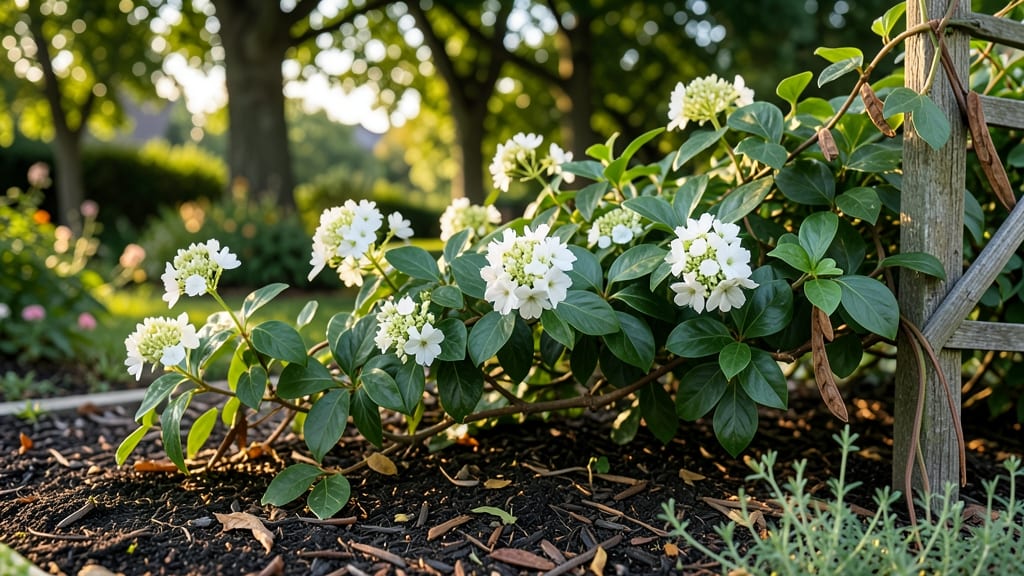
Harvesting Confederate jasmine seed pods in late fall unlocks fragrant spring blooms next year. 🌿 The key? Cold-stratifying those hard little seeds—mimicking winter’s natural dormancy to break their stubborn slumber. My first attempt failed when I rushed germination, but this method works every time.
Start by collecting mature pods when they turn brown and papery—usually after the first frost. Inside, you’ll find flat, dark seeds that need 6-8 weeks of cold treatment to sprout. Simply mix them with damp sand in a sealed container, then refrigerate. No fancy equipment needed, just patience.
By late winter, those seeds will finally crack open, sending up tender green shoots. Plant them in well-draining soil where they’ll thrive in full sun, their vines eventually climbing and perfuming your yard with sweet jasmine scent.
The first blooms arrive in 2-3 years, but the wait is worth it.
This method works for zone 7-10 gardeners, though colder climates may need extra protection. Avoid overwatering—these seedlings hate soggy roots. With the right care, you’ll have a fragrant, hardy vine that spreads effortlessly and blooms reliably for decades.
📚 In This Guide
- What you need
- Instructions
- Tips and common mistakes
- Wrapping up and next steps
What you need
- ● Confederate jasmine seed pods: 5–10 fresh, mature pods (ensure they’re fully dry and brown for best results).
- ● Cold-stratification supplies: 1 small paper towel or coffee filter
- ● 1 resealable plastic bag (quart-sized)
- ● 1 cup of damp peat moss or sphagnum moss (or a pre-mixed seed-starting medium)
- ● Planting containers: 2–3 small pots (4–6 inches deep) with drainage holes, or a seed tray with individual cells.
- ● Potting mix: 1 bag of well-draining, sterilized seed-starting mix (avoid garden soil—it’s too dense!).
- ● Basic gardening tools: Small hand trowel or spoon
- ● Spray bottle (for gentle watering)
- ○ Optional: Hydrogen peroxide (3%) or rubbing alcohol (to sterilize tools/pods if needed)
- ● Grow lights or a sunny windowsill (south-facing is ideal for seedlings).
- ● Humidity dome or plastic wrap (to retain moisture during germination).
- ● pH testing kit (aim for a slightly acidic mix, pH 6.0–6.5).
- ● Label markers (to track seed pods and planting dates!).
- ● Heat mat (if your home runs cool, speeds up germination).
Step-by-Step instructions for cold-stratifying Confederate jasmine seed pods
Here’s how I’ve learned to break dormancy and coax these fragrant seeds into life—no fancy equipment needed.
🌱 Step 1: Harvest and Prepare the Seed Pods
Collect mature seed pods when they turn brown and begin splitting open naturally—usually in late fall or early winter. Let them dry indoors for 3-5 days in a paper bag to prevent mold. Once dry, crack open the pods to reveal the flat, black seeds inside.
Don’t rush this step. Seeds harvested too early won’t break dormancy properly, and you’ll waste months waiting for germination. Store them in a cool, dry place until you’re ready to stratify—they’ll keep for up to a year if kept dry.
❄️ Step 2: Cold-Stratify the Seeds
Place the seeds in a sealed plastic bag with a moistened paper towel—just damp enough to feel slightly damp, not soggy. This mimics winter’s natural moisture while protecting them from rot. Seal the bag and label it with the date and seed type.
Put the bag in your refrigerator’s crisper drawer (or a similar 35-40°F spot) for 90-120 days. This cold period tricks the seeds into thinking winter has passed, breaking their dormancy. Check them monthly—if mold appears, discard the batch and start fresh.
🌱 Step 3: Plant Stratified Seeds in Germination Mix
After stratification, fill small pots (3-4 inches deep) with a sterile seed-starting mix—never garden soil, as it can harbor fungi. Plant the seeds ¼ inch deep, spacing them 1 inch apart to avoid crowding. Gently press the soil around them to ensure good contact.
Water lightly with a spray bottle until the soil feels uniformly moist but not waterlogged. Place the pots in a warm, bright spot (like a sunny windowsill) and cover them loosely with plastic wrap to retain humidity. Germination can take 2-4 weeks—patience is key here.
☀️ Step 4: Transition to Light and Warmth
Once seedlings emerge, remove the plastic wrap immediately to prevent damping-off. Move them to a south-facing window or under grow lights for 14-16 hours of light daily. Confederate jasmine seedlings need strong light to avoid becoming leggy—watch for stems stretching toward the light.
When the seedlings develop 2-3 sets of true leaves (not the initial seed leaves), they’re ready for transplanting. Harden them off by placing them outside for 1-2 hours daily, gradually increasing time over 10-14 days before moving them to their permanent home.
Tips & tricks for perfect cold-stratified Confederate jasmine seed pods
Here's what nobody tells you about getting these finicky seeds to germinate reliably—tricks I wish I'd known when I first tried.
Timing Secret: The 3-5 day drying period in Step 1 is critical—don't rush it. I learned this the hard way after planting seeds that were still slightly damp, which led to moldy batches. Place the pods on a wire rack in a dry, well-ventilated spot with good air circulation. You'll know they're ready when they crack open easily and the seeds inside look completely dry. This step mimics the natural drying process that occurs in their native habitat during fall.
Storage Wisdom: After harvesting, store your seeds in a sealed container with a silica gel packet to absorb any lingering moisture. I keep mine in a small glass jar in my pantry—it's kept them viable for up to 18 months, which is longer than the 1-year minimum mentioned. Label your containers with the harvest date so you can track their age, especially if you're experimenting with different stratification periods.
Cold-Stratification Hack: For the 90-120 day cold period in Step 2, I've found that placing the sealed bags on a wire rack in the crisper drawer works better than stacking them directly on the shelf. This improves air circulation and prevents condensation buildup, which can lead to mold. Also, check your refrigerator temperature—some models have cold spots that might be colder than the 35-40°F range, potentially damaging your seeds.
Germination Environment: When planting in Step 3, use a clear plastic container instead of pots to create a mini greenhouse effect. This maintains consistent humidity levels without needing to cover with plastic wrap. Place the container in a warm spot (around 70°F) and watch for condensation on the sides—this indicates proper humidity levels. The 2-4 week germination window can be frustrating, but remember that Confederate jasmine seeds are naturally slow to break dormancy.
Pro Tips for Confederate Jasmine Seed Pods
- Here's what nobody tells you about getting these finicky seeds to germinate reliably—tricks I wish I'd known when I first tried.
- Timing Secret: The 3-5 day drying period in Step 1 is critical—don't rush it.
- Storage Wisdom: After harvesting, store your seeds in a sealed container with a silica gel packet to absorb any lingering moisture.
Frequently asked questions
about growing Confederate Jasmine from seed pods—here’s what you need to know before diving in!How long does cold stratification take for Confederate Jasmine seed pods?
Cold stratification typically requires 6–12 weeks in the fridge (34–40°F). For best results, start in late fall or winter so seeds are ready for spring planting. Patience pays off—this mimics the plant’s natural dormancy cycle!
Can I plant Confederate Jasmine seed pods directly outdoors without stratification?
While possible, germination rates will be much lower (often <10%). Cold stratification mimics winter conditions, breaking seed dormancy for higher success. If you skip it, try planting in fall for a natural cold period.
What’s the best soil mix for germinating these seed pods?
Use a well-draining, slightly acidic mix (pH 5.5–6.5) of 50% peat moss or coconut coir and 50% perlite/sand. Avoid heavy clay—Confederate Jasmine hates soggy roots! A small pot with drainage holes works best.
Why aren’t my Confederate Jasmine seeds sprouting after stratification?
Check these common issues:
- Insufficient cold time: Try 2–3 more weeks in the fridge.
- Too deep: Seeds need light—plant just below soil surface (¼ inch max).
- Overwatering: Keep soil moist but not soggy—use a spray bottle.
- Pests/fungus: Use a fungicide if mold appears or move to a brighter spot.
Are there faster-growing alternatives to Confederate Jasmine?
If you want quick fragrance, try jasmine shrubs (Jasminum officinale) (grows from cuttings) or mock orange (Philadelphus). For seed-grown options, Clematis or honeysuckle germinate faster but may lack Confederate Jasmine’s intense, sweet scent.
Wrapping up and next steps
Growing Confederate jasmine seed pods is a rewarding journey that brings fragrant spring blooms to your garden—just with patience and the right techniques! 🌸 By mastering cold stratification, you’ve unlocked the secret to breaking dormancy and nurturing these delicate plants.
Now that you’re equipped with the knowledge, why not share your newfound skills with fellow gardening enthusiasts or experiment with other cold-stratified seeds?
Ready to plant those pods? Start by gathering your supplies, following the steps, and soon you’ll be enjoying the sweet, intoxicating scent of Confederate jasmine in your outdoor space. Happy gardening! 🌱