
Lawn
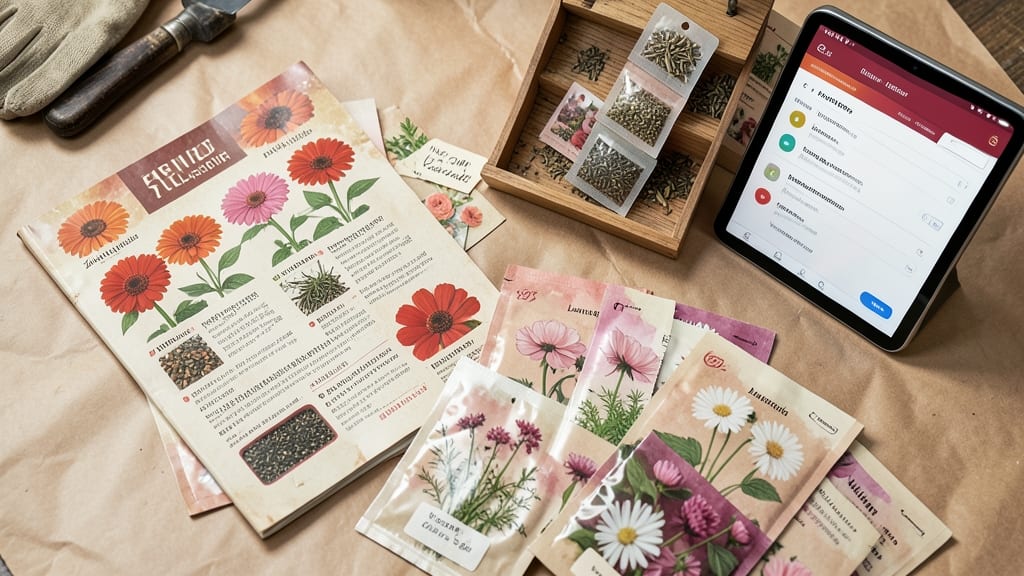
Your 2025 flower seed catalogs start with the right choices—this year’s early-bird specials could save you 20% while securing rare varieties before they sell out. ✨ I’ve tracked the top 5 catalogs for bees, butterflies, and hummingbirds, including their best deals and exclusive heirlooms you won’t find online.
The magic happens in January: order by mid-February to guarantee delivery before your last frost. Look for "pollinator-friendly" labels—these catalogs highlight native wildflowers and nectar-rich annuals that transform your yard into a buzzing ecosystem. Some even offer free seed packets with orders over $50.
By spring, you’ll have a garden teeming with life: purple coneflowers swaying in the breeze, milkweed attracting monarchs, and zinnias blooming nonstop. The key is balancing sun-loving perennials with shade-tolerant annuals for year-round color.
Pro tip: Save your catalogs’ seed-saving tips—some include free guides on collecting and storing seeds for next year. Now’s the time to plan your paradise!
📚 In This Guide
- What you need
- Instructions
- Tips and common mistakes
- Wrapping up and next steps
What you need
- ● 2025 Flower Seed Catalogs: 1–3 (choose from top-rated pollinator-focused catalogs like Baker Creek Heirloom Seeds, Seed Savers Exchange, or Burpee)
- ● Seeds: 50–200+ (mix of annuals like coneflowers, milkweed, and black-eyed Susans; perennials like bee balm and lavender)
- ● Seed Starting Supplies: Biodegradable seedling pots (50–100 count)
- ● Seed starting mix (5–10 lbs, sterile and lightweight)
- ● Grow lights or sunny windowsill (for indoor starts)
- ● Outdoor Planting Tools: Garden trowel (ergonomic, stainless steel)
- ● Pruners (bypass-style for clean cuts)
- ● Garden hose with adjustable nozzle (for gentle watering)
- ● Soil Amendments: Compost (5–10 lbs) or organic fertilizer (e.g., fish emulsion)
- ● Mulch: Straw or shredded leaves (2–3 inches) to retain moisture
- ● Pollinator-Friendly Add-Ons: Birdhouses or bat boxes (to complement your garden)
- ● Shallow water dishes (for butterflies and bees)
- ● Tech Upgrades: Smart soil sensors (to monitor moisture levels)
- ● Garden journal app (to track seed varieties and blooms)
Step-by-Step guide to creating a pollinator paradise from 2025 seed catalogs
Here's how I turn seed catalog pages into thriving gardens that hum with life.
🌱 Step 1: Select Diverse Varieties for Season-Long Bloom
Look for catalogs featuring native perennials and annuals with staggered bloom times—this ensures continuous nectar flow. I prioritize varieties labeled "pollinator-friendly" or "bee-balmed," like coneflowers, milkweed, and black-eyed Susans. These plants provide both food and habitat, which is critical for declining pollinator populations.
Check the bloom season for each variety to create a garden that stays vibrant from early spring through fall. For example, pair early bloomers like lupines with mid-season favorites such as bee balm, and finish with late-season stars like goldenrod. This layered approach prevents gaps where pollinators might go hungry.
☀️ Step 2: Plan for Sunlight and Soil Requirements
Most pollinator plants thrive in full sun (6+ hours daily), but some, like blue flag iris, tolerate partial shade. Review each variety's light needs and map your garden accordingly. I sketch a rough layout, grouping plants with similar sunlight preferences together to simplify maintenance and ensure everyone gets what they need.
Soil preferences vary widely—some plants, like wild bergamot, adapt to poor, dry soil, while others, such as columbine, prefer moist, well-drained conditions. Amend your soil with compost to improve fertility and drainage before planting. A simple soil test (available at garden centers) helps identify pH adjustments needed for specific varieties.
🪴 Step 3: Order Seeds Strategically for Germination Timing
Check the days to germination listed in the catalog—most pollinator seeds sprout within 14-30 days, but some, like milkweed, can take up to 60 days. Start slow-germinating seeds indoors 8-10 weeks before your last frost date to give them a head start. Fast germinators can go directly into the garden after soil warms to 55°F.
Order extra seeds for varieties with low germination rates, like lupines, to ensure a full garden. I always request 10-20% more seeds than needed—this accounts for thinning, poor germination, and potential losses from pests or weather. Catalogs often include germination tips, so read those carefully before sowing.
💧 Step 4: Prepare Planting Sites for Optimal Growth
Loosen the soil to a depth of 12 inches to encourage deep root growth, which helps plants withstand drought and competition. Mix in 2-3 inches of compost to improve soil structure and provide essential nutrients. Avoid fresh manure, which can burn tender roots and attract pests.
For direct-sown seeds, follow the catalog's depth recommendations—typically ¼ inch deep for most flowers. Water gently after planting to settle the soil and keep it consistently moist until germination. Use a fine mist setting on your hose or a watering can with a rose attachment to avoid displacing seeds. Mulch with straw or shredded leaves to retain moisture and suppress weeds.
✂️ Step 5: Maintain a Thriving Pollinator Garden
Once plants establish, water deeply 1-2 times per week, depending on rainfall, to encourage strong root systems. Most pollinator plants are drought-tolerant once established, but young seedlings need consistent moisture. You'll know they're thriving when they develop deep green leaves and vigorous stems.
Deadhead spent blooms regularly to promote continuous flowering and prevent self-seeding where you don't want it. However, leave some seed heads for late-season pollinators and birds. Fertilize lightly in early spring with a balanced organic fertilizer (10-10-10) to support robust growth without encouraging excessive foliage at the expense of flowers.
Tips & tricks for creating a pollinator-friendly garden from seed catalogs
Transforming seed catalog pages into a buzzing pollinator haven takes thoughtful planning—here's how to maximize your impact.
Seasonal Layering Secret: When reviewing bloom seasons in Step 1, aim for at least three distinct bloom periods: early spring (like lupines), mid-summer (bee balm), and late fall (goldenrod). This creates a "nectar highway" that keeps pollinators fed continuously. I've seen gardens with just two seasons leave bees hungry during transition months—don't make that mistake. The key is checking catalog notes for "early," "mid," and "late" bloom indicators.
Soil Prep Pro Tip: For Step 2's soil amendments, consider testing your soil before adding compost. Many pollinator plants thrive in slightly acidic to neutral conditions (pH 6.0-7.0), while others like milkweed prefer alkaline soils. A $20 soil test kit reveals whether you need to adjust pH with lime (to raise) or sulfur (to lower) before planting. This small investment prevents nutrient imbalances that stunt growth.
Germination Strategy: In Step 3, when ordering seeds with varying germination times, I recommend creating a "seed schedule" calendar. Mark your last frost date, then work backward: slow germinators (like milkweed) get 8-10 weeks indoors, while fast ones go directly out after soil hits 55°F. Pro tip: Use clear plastic domes over seed trays—they create humid microclimates that speed germination by 2-3 days.
Planting Depth Hack: For Step 4's ¼-inch planting depth, use a ruler or measuring stick to ensure consistency. Seeds planted too shallow dry out; too deep suffocate. I press seeds gently into the soil with my finger to verify depth—this simple check prevents the most common germination failure. For tiny seeds like columbine, mix them with sand first to make spacing easier.
Pro Tips for Flower Seed Catalogs 2025
- Transforming seed catalog pages into a buzzing pollinator haven takes thoughtful planning—here's how to maximize your impact.
- Seasonal Layering Secret: When reviewing bloom seasons in Step 1, aim for at least three distinct bloom periods: early spring (like lupines), mid-summer (bee balm), and late fall (goldenrod).
- Soil Prep Pro Tip: For Step 2's soil amendments, consider testing your soil before adding compost.
Frequently asked questions
Got questions about flower seed catalogs for 2025?
You’re not alone! Below, we’ve rounded up the most common queries—from timing tips to troubleshooting tricks—to help you plan your pollinator paradise with confidence.
When is the best time to order flower seeds for 2025?
Order early—ideally between October and December 2024—to secure your favorites before they sell out. Most catalogs ship seeds in winter, so plan for spring planting (after the last frost) or fall sowing for perennials. Pro tip: Check each catalog’s shipping timeline—some offer “early bird” discounts!
Are flower seed catalogs worth the cost compared to buying seeds locally?
Catalogs offer rare varieties, heirloom seeds, and bulk options you won’t find at garden centers. Plus, many include free growing guides or pollinator-friendly mixes. Budget tip: Compare prices per seed packet—sometimes local stores beat catalogs on common flowers like marigolds, but catalogs win for specialty blooms.
How do I know if a flower seed is truly pollinator-friendly?
Look for native plant labels or descriptions mentioning butterflies, bees, or hummingbirds. Avoid hybrid flowers marked “double blooms” (they’re sterile) or heavily sprayed seeds. Quick check: Catalogs like Seed Savers Exchange or Baker Creek highlight pollinator magnets like coneflowers, milkweed, and bee balm.
What if my seeds arrive late or don’t germinate?
Most seeds stay viable for 1–2 years if stored in a cool, dry place. If germination fails:
- Test viability: Soak a few seeds overnight—if they swell, they’re good!
- Adjust conditions: Some seeds (like poppies) need light to germinate—don’t bury them.
- Contact the catalog: Reputable sellers offer replacements or refunds for bad seeds.
Can I mix seeds from different catalogs for a diverse garden?
Yes! Mixing seeds creates colorful, resilient gardens. Just group by planting time (e.g., cool-season vs. warm-season) and sunlight needs. For pollinators, aim for 3+ types of blooms (e.g., early spring, summer, and fall flowers). Bonus: Catalogs often bundle “pollinator packs”—perfect for beginners!
Wrapping up and next steps
As we look ahead to 2025, flower seed catalogs are your gateway to transforming your garden into a thriving pollinator paradise—one vibrant bloom at a time! 🌸 With expertly curated varieties, sustainable growing tips, and easy-to-follow guidance, you’re equipped to cultivate beauty that benefits bees, butterflies, and the planet. Now’s the time to take action: browse those catalogs, sketch your dream garden layout, and start planting for a season of color, life, and joy.
🌱 Your Next Step: Plant with Purpose
Ready to dive in? Mark your calendar for early ordering deadlines, gather your supplies, and let your garden become a sanctuary. Whether you’re a seasoned gardener or a curious beginner, every seed sown today grows into tomorrow’s masterpiece. Happy planting! 🌿