
Lawn
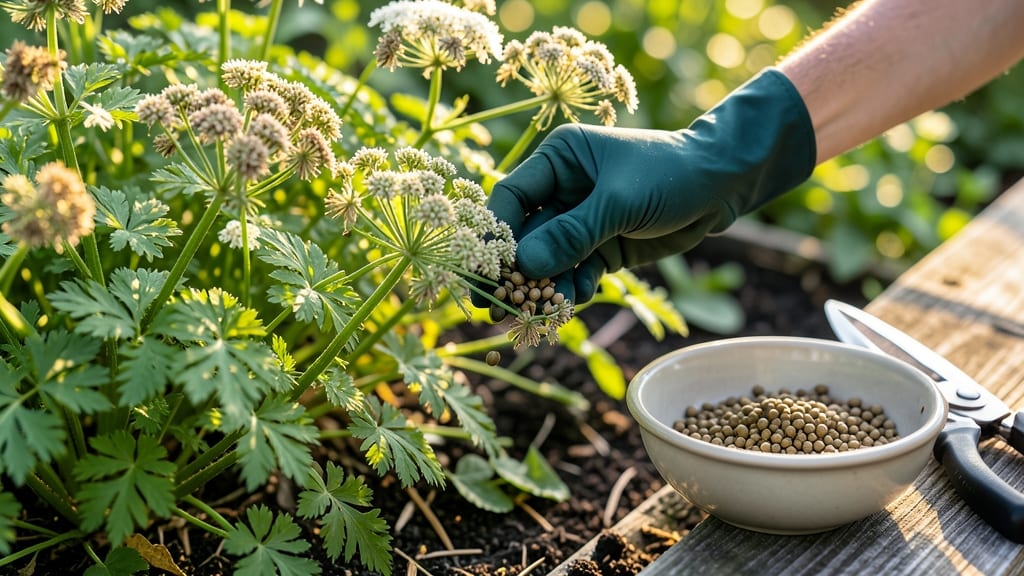
Growing coriander seeds and cilantro from scratch feels like unlocking a secret spice garden. 🌱 The same plant gives you fresh cilantro leaves one week and aromatic coriander seeds the next—if you know the tricks to prevent bolting before harvest.
My first attempt ended with bitter leaves and no seeds, but now I grow both reliably every season.
The secret starts with cool weather and patience. Direct-sow seeds in well-draining soil when daytime highs stay below 75°F, and keep them consistently moist until germination (about 7-14 days). Cilantro thrives in partial shade to prevent early bolting, while coriander seeds need full sun for maturation.
Most gardeners overlook the fact that cilantro and coriander are two stages of the same plant—harvest leaves early or let it flower for seeds.
By day 60, you'll have lush cilantro for cooking and dried coriander seeds for spice blends. The leaves stay tender if you harvest outer stems first, and the seeds develop fully when you let some plants bolt.
My fail-proof method involves succession planting every 2 weeks to ensure a continuous supply of both—no more store-bought cilantro that turns bitter overnight.
This works for container gardens too—just use 6-inch pots for cilantro and deeper containers for seed production. The key is staying ahead of heat stress, which triggers bolting. Once you master the timing, you'll never buy these spices again.
📚 In This Guide
- What you need
- Instructions
- Tips and common mistakes
- Wrapping up and next steps
What you need
- ● Coriander seeds (cilantro seeds): 1–2 packets (about 1–2 grams per packet, or ~100–200 seeds). Opt for organic, non-GMO seeds for the best flavor and growth.
- ● Growing containers: For indoor/container gardening: 6–12-inch deep pots with drainage holes (2–4 pots for a small harvest).
- ● For outdoor beds: Well-draining soil in a sunny spot (6–12 inches of soil depth).
- ● Potting soil: High-quality, well-draining seed-starting mix (avoid garden soil—it’s too dense!). A 5–10 gallon bag should suffice for a small batch.
- ● Watering can or spray bottle: A gentle watering system to avoid disturbing seeds.
- ○ Fertilizer (optional but helpful): A balanced, water-soluble fertilizer (5-5-5 or 10-10-10 NPK ratio) or compost tea for organic growth.
- ● Grow lights: If starting indoors before the last frost, a full-spectrum LED grow light (12–16 hours/day).
- ● Row covers or shade cloth: To protect seedlings from pests or harsh sun (especially in hot climates).
- ● Trellis or stakes: If growing large quantities, cilantro can get leggy—stakes help support taller plants.
- ● Pruning shears: For harvesting leaves without damaging the plant.
- ● Plant markers: Small labels to track planting dates (cilantro bolts quickly—keep notes!).
Step-by-step instructions for growing coriander and cilantro
Here’s how to grow both coriander seeds and cilantro leaves in the same space—no fancy tricks, just reliable results.
🌱 Step 1: Start Seeds Indoors or Direct-Sow Outdoors
Coriander seeds germinate best in 60-70°F soil, so if your spring nights are still chilly, start seeds indoors 2-3 weeks before last frost. Use 2-3 inch deep biodegradable pots filled with seed-starting mix (never garden soil—it’s too dense). Plant seeds ¼ inch deep, two per pot, since germination rates can be finicky.
For direct sowing, wait until soil warms to at least 60°F—coriander seeds won’t sprout in cold ground. Scatter seeds ½ inch apart in full sun (6+ hours daily) and barely cover them. Press lightly so they stay in place. You’ll see sprouts in 7-14 days, but don’t be surprised if some seeds take longer.
💧 Step 2: Keep Soil Moist and Prevent Bolting
Water gently after planting—never let the soil dry out completely, but avoid soggy conditions. Coriander roots are shallow, so top inch of soil should stay damp (check daily). Once seedlings emerge, thin to 6 inches apart if direct-sown, or transplant carefully if started indoors. Here’s the thing—consistent moisture prevents bolting (when plants flower prematurely and leaves turn bitter).
Watch for first true leaves (the second set after the initial cotyledons). That’s your cue to start fertilizing lightly with half-strength balanced fertilizer every 2 weeks. Too much nitrogen makes leaves floppy, but too little means slow growth. I like to use a fish emulsion—it’s gentle and won’t shock tender plants.
☀️ Step 3: Manage Light and Temperature for Leaf Production
Cilantro thrives in cool weather (50-75°F)—if temps creep above 80°F, leaves bolt faster than you can harvest. Provide partial shade during peak afternoon sun if your climate runs hot. You’ll notice leaves yellowing or flowering early if it’s too warm—this is bolting, and it’s game over for tender cilantro.
Rotate pots or plants every few days so they don’t stretch toward one light source. You’ll see compact, bushy growth when light is even. If growing indoors, a south-facing window works, but supplement with a grow light if leaves look pale or leggy. Aim for 12-14 hours of light daily—coriander needs plenty to stay productive.
✂️ Step 4: Harvest Leaves and Save Seeds
Harvest cilantro leaves when they’re 3-4 inches tall, cutting just above a pair of leaves to encourage regrowth. Do this in the morning after dew dries—leaves are crispest then. Avoid harvesting more than ⅓ of the plant at once, or you’ll stress it. For continuous harvests, sow new seeds every 2 weeks—this keeps fresh cilantro on hand all season.
Once plants bolt (send up flower stalks), let some mature to harvest coriander seeds. The stalks turn brown and papery—wait until they’re fully dry before cutting. Rub seeds into a bag and store in a cool, dark place for up to a year. I always save a few plants for seeds because store-bought ones often don’t germinate well.
🌿 Step 5: Extend the Season with Successive Plantings
Cilantro’s quick life cycle (60 days to bolt) means you’ll need multiple plantings for a steady supply. Sow new seeds every 2-3 weeks until 6 weeks before first frost—this gives plants time to mature before cold sets in. In warm climates, opt for shade cloth or fall/winter crops to avoid bolting.
Here’s a pro tip: If your cilantro bolts early, harvest the flowers for garnishes or infusions. They’re edible and add a citrusy aroma to dishes. And if leaves turn bitter? That’s bolting—time to pull and replant. With this rhythm, you’ll have fresh cilantro year-round in most climates.
Tips & tricks for growing fresh coriander and cilantro
These simple strategies will help you grow vibrant cilantro and flavorful coriander seeds without the common pitfalls.
Soil Temperature Matters: Coriander seeds need soil between 60-70°F to germinate properly. If your spring nights are still cool, start seeds indoors 2-3 weeks before last frost using biodegradable pots. I’ve found that placing pots on a seedling heat mat (set to 70°F) speeds up germination from 7-14 days to just 5-7 days. This warm start gives you a head start on the growing season.
Watering Wisdom: The top inch of soil should stay damp but never soggy—this is critical for preventing bolting. I use a spray bottle for gentle watering after planting, then switch to a watering can with a fine rose attachment once seedlings emerge. Watering in the morning gives leaves time to dry, reducing fungal risks. Remember, cilantro hates dry soil but despises soggy conditions too.
Light Management: Cilantro thrives in 12-14 hours of light daily, but too much direct sun (especially when temps rise above 80°F) triggers bolting. If growing indoors, rotate your plants every few days so they grow evenly toward the light source. For outdoor plants, provide afternoon shade during hot weather—this simple adjustment can extend your harvest window by weeks.
Fertilizer Strategy: Wait until you see the first true leaves before fertilizing, then use half-strength balanced fertilizer every 2 weeks. I’ve had success with fish emulsion, but you can also use a liquid seaweed fertilizer which provides micronutrients that store-bought options often lack. The key is gentle feeding—too much nitrogen makes leaves floppy and speeds up bolting.
Pro Tips for Coriander Seed Cilantro
- These simple strategies will help you grow vibrant cilantro and flavorful coriander seeds without the common pitfalls.
- Soil Temperature Matters: Coriander seeds need soil between 60-70°F to germinate properly.
- Watering Wisdom: The top inch of soil should stay damp but never soggy—this is critical for preventing bolting.
Frequently asked questions
about growing coriander seed and cilantro—because every gardener deserves a little clarity!Can I grow coriander and cilantro from the same seeds?
Yes! Coriander and cilantro are the same plant—just different parts are used. The seeds become coriander, while the leaves are cilantro. Plant the same seeds, but harvest leaves for fresh flavor or let them bolt for seeds.
How long does it take to harvest cilantro vs. coriander seeds?
Cilantro leaves are ready in 30–40 days if harvested early. If you wait for seeds, the plant bolts (goes to flower) in 60–70 days. For seeds, leave them on the plant until they dry and turn brown—then harvest!
Why does my cilantro bolt so fast?
Cilantro bolts (sends up flowers) quickly due to heat or long days. To slow it down, plant in cool seasons (spring/fall), use shade cloth, or choose slow-bolting varieties like ‘Calypso’ or ‘Santo.’
What can I plant instead of cilantro if it’s not working?
Try these cilantro substitutes:
- Parsley (mild, fresh flavor—great in salads and sauces)
- Dill (bright, tangy taste—pairs well with fish and yogurt)
- Chervil (delicate, anise-like flavor—perfect for soups)
- Coriander leaves (if you let some bolt!)
Are coriander seeds and cilantro safe for pets?
In small amounts, cilantro and coriander seeds are non-toxic to dogs and cats. However, large quantities or essential oils (like coriander oil) can cause stomach upset. Always introduce new foods slowly and consult your vet if unsure!
Wrapping up and next steps
Growing coriander seed and cilantro from scratch is a rewarding journey that brings fresh, aromatic flavors to your kitchen in just 60 days! 🌱 Whether you're a seasoned gardener or a beginner, this guide has given you all the tools—from soil prep to pest control—to thrive.
With a little patience and care, you’ll enjoy the satisfaction of harvesting your own cilantro leaves and coriander seeds for cooking, teas, or even homemade remedies.
Ready to take the next step? Start small—plant a few seeds this week and watch your garden transform! Share your progress with fellow gardeners or experiment with recipes using your fresh harvest. Happy growing! 🌿