
Lawn
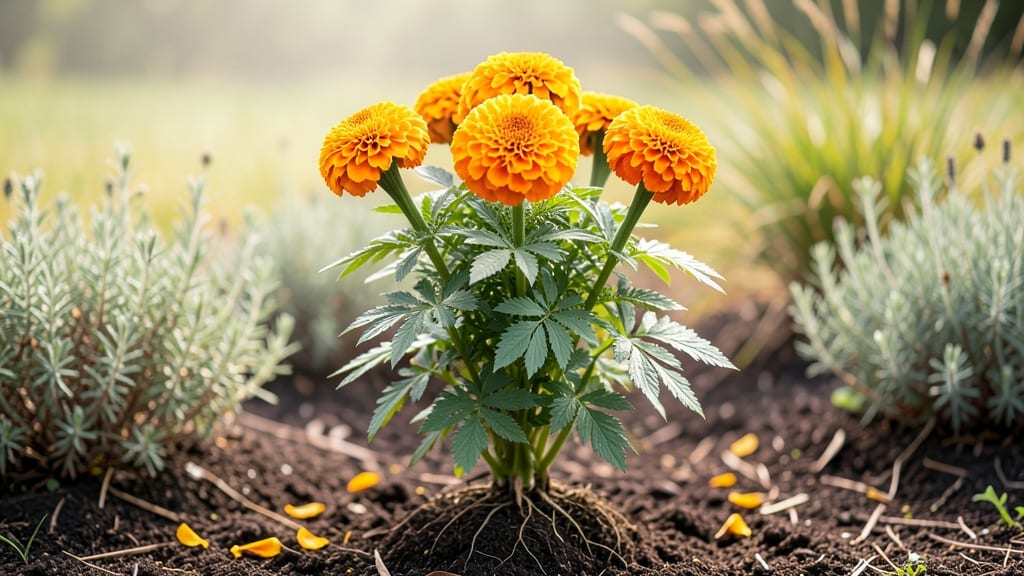
American seed marigolds (Tagetes spp.) are the unsung heroes of my garden—bright, tough, and blooming from spring to frost. 🌻 These cold-hardened varieties don’t just survive winter; they thrive, giving you nearly year-round color with minimal fuss.
Unlike their tropical cousins, they’ll push through light frosts and bounce back after heatwaves, making them the perfect low-maintenance star for borders, containers, or even between veggies as pest-deterring companions.
The secret to their resilience starts with the right conditions: full sun (at least 6-8 hours daily), well-draining soil, and consistent moisture—though they’ll forgive occasional dry spells better than most flowers.
Plant seeds directly after your last frost (or even in fall for early spring blooms), about ¼ inch deep and 12-18 inches apart. Germination happens in 7-14 days, and once established, they’re nearly indestructible.
My ‘Bonanza’ and ‘Jackpot’ varieties self-seed like crazy, so I never run out of surprises each season.
What you’ll end up with is a garden that stays vibrant when others fade—imagine golden-orange blooms in July and October, with bees and butterflies flitting between them all season.
The foliage smells like citrus when crushed (great for repelling nematodes), and the flowers double as edible garnishes for those who want to get fancy. Even my black thumb can’t kill these, which is why they’re my go-to for effortless beauty.
Works in every zone, from containers to full sun beds, and pairs perfectly with tomatoes, herbs, or other sun-lovers. Here’s how to keep them blooming like clockwork—no green thumb required.
📚 In This Guide
- What you need
- Instructions
- Tips and common mistakes
- Wrapping up and next steps
What you need
- ● Seeds: American Seed Marigold (10-20 seeds per plant, depending on desired spacing)
- ● Seed-starting mix: Lightweight, well-draining potting soil (10-15 lbs for indoor starts or 50+ sq ft for outdoor planting)
- ● Containers or seed trays: 4-6" deep pots (for indoor starts, 1-2 seeds per pot)
- ● OR seed trays with cell inserts (for multiple starts)
- ● Grow lights or sunny windowsill: 12-16 hours of light daily (for indoor starts)
- ● Outdoor planting area: Full sun (6+ hours daily)
- ● Well-draining soil (amend with compost if needed)
- ● Watering can or hose with gentle spray nozzle
- ○ Fertilizer (optional but recommended): Balanced liquid fertilizer (e.g., 10-10-10) or slow-release granules
- ● Compost or worm castings (for organic enrichment)
- ○ Mulch (optional but helpful): Straw or shredded leaves to retain moisture
- ● Heat mat: Speeds up germination (70-75°F ideal)
- ● Transplanting tools: Small trowel or garden spade
- ● Plant markers: To label your marigolds (especially useful for cold-hardened varieties!)
- ● Pest control: Neem oil or insecticidal soap (for aphids or whiteflies)
- ● Cold frame or row covers: Extends growing season in cooler climates
Step-by-step guide to growing cold-hardened American seed marigolds
Here's how to cultivate these hardy blooms with roots that withstand cooler temperatures—perfect for extending your season.
🌱 Step 1: Choose the Right Variety and Planting Time
American seed marigolds thrive when planted early, so aim for 4-6 weeks before your last frost date. This gives their roots time to establish before cooler weather sets in. I always opt for varieties like 'Indian Chief' or 'Petite Gold'—they handle temperature fluctuations better than tropical types.
Check your seed packet for cold tolerance ratings. Look for varieties labeled as "cold-hardy" or "early bloomers." These marigolds develop deeper root systems that insulate against light frosts, unlike their heat-loving cousins. Planting too late risks weak stems that won't recover if temperatures dip below 40°F.
☀️ Step 2: Prepare Soil and Plant for Optimal Root Development
Amend your planting area with 2-3 inches of compost mixed into the top 6 inches of soil. Marigolds need well-draining soil to prevent root rot, especially in cooler climates. Work in a handful of granular fertilizer (10-10-10) at planting time to give roots an energy boost.
Plant seeds ¼ inch deep in rows 12-18 inches apart. Thin seedlings to 6-8 inches apart once they develop their first true leaves. This spacing gives roots room to spread and develop the cold-resistant taproots that make American marigolds unique. Water gently after planting to settle the soil around seeds without disturbing them.
💧 Step 3: Water Strategically to Strengthen Roots
Keep soil consistently moist but never soggy during germination. Aim for 1 inch of water per week, delivered at soil level rather than overhead. This encourages deep root growth—the key to cold tolerance. I use a soaker hose for even moisture distribution without wetting the foliage, which reduces fungal risks.
Once seedlings emerge, reduce watering slightly to ½ inch per week to prevent leggy growth. Let the top 1-2 inches of soil dry out between waterings—this forces roots to seek moisture deeper in the soil profile. You'll notice stronger stems and more compact plants when roots are properly stressed this way.
✂️ Step 4: Mulch and Protect for Extended Blooming
Apply 2-3 inches of straw or shredded leaves around plants after they reach 4-6 inches tall. This mulch layer insulates roots from temperature swings and retains moisture. I always leave a 1-inch gap around stems to prevent rot. For early fall plantings, add an extra 1 inch of mulch before the first frost to protect emerging roots.
Watch for early signs of frost damage—yellowing leaves or wilting stems. If temperatures drop below 30°F, cover plants with frost cloth for short periods. American marigolds can survive light frosts, but their roots need protection to regrow vigorously in spring. Remove covers during the day to prevent overheating.
🌿 Step 5: Maintain Through Seasons for Year-Round Color
Deadhead spent blooms regularly to encourage continuous flowering. Cut back stems to 2-3 inches above the soil in late fall to promote new growth from the roots. This pruning stimulates fresh shoots that will emerge as temperatures warm in spring. I always fertilize lightly in early spring with ½ cup of 5-10-10 per 10 square feet to support regrowth.
Monitor for pests like aphids or spider mites, which thrive on stressed plants. A strong root system makes marigolds more resilient, but I still spray with neem oil if I spot early signs of infestation. With proper care, these cold-hardened marigolds will reward you with blooms from early summer through fall—and sometimes even push through light winter snows in milder climates.
Tips & tricks for perfect cold-hardened marigold cultivation
These practical insights will help you coax the most resilient growth from your American marigolds—because the secret to year-round blooms lies in the roots.
Variety Selection Matters: When choosing seeds, prioritize those labeled "cold-hardy" or "early bloomers" like 'Indian Chief' or 'Petite Gold'. These varieties develop deeper taproots that naturally insulate against temperature fluctuations. I've found that the difference between a marigold that thrives through light frosts and one that bolts comes down to this single selection—don't cut corners here. The 4-6 week planting window before last frost is non-negotiable for root establishment, especially in regions where temperatures dip below 40°F.
Soil Preparation Secret: The 2-3 inches of compost mixed into the top 6 inches of soil isn't just about nutrients—it's about creating the perfect air-to-water ratio that marigold roots crave. I always add a handful of 10-10-10 granular fertilizer at planting time, but here's what nobody tells you: Work that compost into the soil while it's still slightly damp. Dry soil compacts when you mix, creating pockets that trap water and suffocate roots. Aim for soil that crumbles easily between your fingers when you're done amending.
Watering Strategy: That 1 inch of water per week during germination might seem straightforward, but timing matters more than you'd think. I water in the early morning using a soaker hose—this gives roots time to absorb moisture before the heat of the day. Once seedlings emerge, the shift to ½ inch per week with 1-2 inches of dry soil between waterings forces roots to grow deeper. This is where most gardeners go wrong: they water too frequently, creating shallow root systems that freeze in winter. Think of it as root weightlifting—the more they have to work, the stronger they become.
Frost Protection Hack: When temperatures threaten to drop below 30°F, I use a simple frost cloth technique that works better than row covers alone. Secure the cloth loosely over plants (don't let it touch foliage) and weigh down the edges with bricks or landscape fabric. The key is to remove covers during the day—even if it's cloudy—to prevent overheating. I've seen marigolds emerge through light winter snows in milder climates because their roots stay protected while the tops get a temporary break.
Pro Tips for American Seed Marigold
- These practical insights will help you coax the most resilient growth from your American marigolds—because the secret...
- Variety Selection Matters: When choosing seeds, prioritize those labeled "cold-hardy" or "early bloomers" like 'India...
- Soil Preparation Secret: The 2-3 inches of compost mixed into the top 6 inches of soil isn't just about nutrients—it'...
Frequently asked questions
Got questions about growing American Seed Marigold? You’re not alone! Here are answers to the most common queries—from planting tips to troubleshooting—so you can keep those vibrant blooms thriving all year.
When is the best time to plant American Seed Marigold for year-round blooms?
For cold-hardened roots, plant seeds in late spring (after frost) or early summer for summer blooms. If you want fall/winter flowers, sow a second batch in mid-summer (6-8 weeks before first frost). In mild climates, you can even plant in early fall for winter interest! Just ensure soil temps are above 60°F (15°C) for germination.
Can American Seed Marigold survive winter in cold climates?
Yes! These marigolds are bred for cold-hardy roots, meaning they’ll die back in frost but regrow in spring. In USDA Zones 7-10, mulch heavily with straw or leaves to protect roots. In colder zones (below 7), dig up tubers in fall, store them in dry peat moss, and replant next spring. Pro tip: Mark their location so you don’t accidentally dig them up!
Why aren’t my American Seed Marigold flowers opening, even though the plants look healthy?
Several factors could be at play:
- Too much nitrogen: Fertilizer-heavy soil promotes leafy growth over blooms. Switch to a low-nitrogen, high-phosphorus fertilizer (like 5-10-5) to encourage flowers.
- Overcrowding: Thin plants to 12–18 inches apart for better airflow and sunlight.
- Lack of sunlight: These marigolds need 6+ hours of direct sun daily. Move pots or relocate seedlings if shaded.
- Stress from heat/drought: Water deeply 1–2 times per week (more in extreme heat) and mulch to retain moisture.
What are some low-maintenance alternatives to American Seed Marigold?
If you love marigolds but want even easier care, try these cold-tolerant or perennial options:
- French Marigold (Tagetes patula): Compact, heat-loving, and great for containers.
- Mexican Sunflower (Tithonia rotundifolia): Thrives in poor soil and blooms late summer to frost.
- Black-Eyed Susan (Rudbeckia hirta): Perennial with golden blooms and deer-resistant roots.
- Coneflower (Echinacea): Drought-tolerant and attracts pollinators year-round.
For year-round color, pair marigolds with heuchera (coral bells) or sedum for a no-fuss garden.
How do I prevent powdery mildew on my American Seed Marigold leaves?
Powdery mildew (white, powdery spots) thrives in humid, shaded conditions. Here’s how to stop it:
- Improve airflow: Space plants 18+ inches apart and prune crowded foliage.
- Water at the base: Avoid wetting leaves (use drip irrigation or water early in the day).
- Spray with neem oil: Mix 1 tbsp neem oil + 1 tsp mild soap per quart of water and apply every 7–10 days.
- Remove infected leaves: Snip off mildewed foliage and dispose of it away from the garden.
For prevention, mulch with straw and avoid overhead watering.
Wrapping up and next steps
Growing American Seed Marigolds is a rewarding way to add vibrant color and resilience to your garden—even in cooler climates! 🌱 Their cold-hardened roots and drought tolerance make them a low-maintenance superstar for year-round blooms.
Whether you're a seasoned gardener or just starting, these cheerful flowers are your ticket to effortless beauty.
Ready to dive in? Start small—plant a few seeds or cuttings this season and watch your garden transform! Need more inspiration? Explore companion planting ideas or creative ways to use marigolds in your landscape. Happy gardening! 🌸