
Lawn
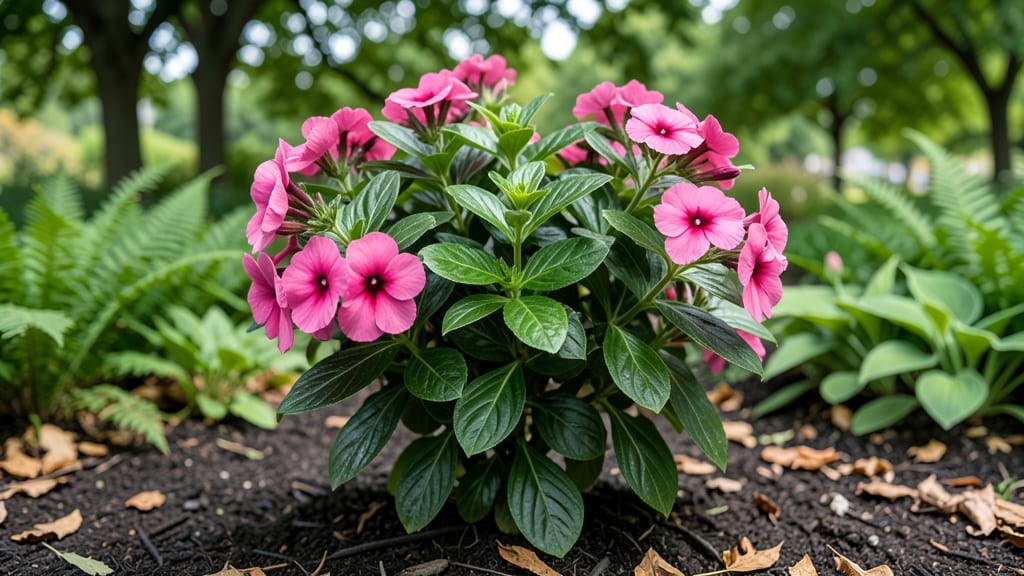
Growing American Seed Impatiens means nonstop color that lasts all summer—no fuss, no wilting, just bold blooms from spring to frost. 🌸 I've grown these shade-loving workhorses for years, and they're the secret weapon behind my darkest garden corners where nothing else thrives.
The key? Starting seeds indoors in early spring (8-10 weeks before last frost) so you're not scrambling to find transplants that always look puny at the store.
These impatiens love moist, well-draining soil mixed with compost—they'll reward you with vibrant pinks, reds, and whites that stay perky even in heat waves. Plant them where they get morning sun and afternoon shade, and keep the soil consistently damp (not soggy).
The plants grow fast—12-18 inches tall—so give them space or they'll crowd each other out. Containers work great too, especially hanging baskets where their trailing habit really shines.
By midsummer, you'll have a cloud of blooms that hummingbirds can't resist. The flowers are so prolific they often self-seed, giving you free plants next year. Just watch for aphids (they adore impatiens) and powdery mildew in humid climates—remove affected leaves immediately and space plants for airflow.
With proper care, these shade stars will outperform even your sun-loving favorites.
Use them as spillers in containers, borders along shady paths, or mass plantings under trees. They're perfect for beginner gardeners because they're forgiving—just don't let them dry out.
Once established, they'll keep blooming until frost, proving that shade gardens can be just as dramatic as sunny ones. Ready to transform your dark corners into a floral paradise?
📚 In This Guide
- What you need
- Instructions
- Tips and common mistakes
- Wrapping up and next steps
What you need
- ● Seeds: American Seed Impatiens (1 packet, ~100 seeds). Choose a variety like ‘Super Elfin’ or ‘Diamond’ for compact, colorful blooms!
- ● Seed-starting mix: 1 quart of sterile, well-draining potting soil (look for a mix labeled for seedlings).
- ● Containers: 2–3 small pots or seed trays (3–4 inches deep) with drainage holes.
- ● Watering can or spray bottle: With a fine mist nozzle for gentle hydration.
- ○ Grow lights or sunny windowsill: A 6–8 inch LED grow light (optional but helpful if natural light is limited).
- ● Plant labels: Small tags or a pencil to mark seed varieties.
- ● Fertilizer: Balanced liquid fertilizer (5-10-5 ratio) for seedlings (diluted to half-strength).
- ○ Heat mat (optional): For faster germination (70–75°F range).
- ● Humidity dome or plastic wrap: To retain moisture during germination.
- ● Transplanting tools: Small trowel or spoon for moving seedlings.
Step-by-Step instructions for growing american seed impatiens
Here’s how to coax those vibrant blooms from tiny seeds—no fuss, no frustration.
🌱 Step 1: Start Seeds Indoors at the Right Time
Impatiens seeds germinate best at 70-75°F, so start them indoors 10-12 weeks before your last frost date. I like to use small seed trays with individual cells because impatiens seedlings get crowded fast. Fill each cell with a lightweight seed-starting mix—pack it down just enough to eliminate air pockets, but don’t compact it.
Sow seeds 1/8 inch deep—they’re tiny, so I use a toothpick to create a shallow dimple for each one. Place two seeds per cell for insurance, but thin to the strongest seedling later. Mist the soil lightly with water until it’s evenly damp, then cover the tray with plastic wrap to retain humidity. Seeds need darkness to germinate, so keep them in a warm, dark spot until you see sprouts.
💧 Step 2: Provide Warmth and Controlled Moisture
Impatiens seeds can take 2-4 weeks to germinate, so patience is key. Place the tray on a seedling heat mat set to 75°F to speed things along. Check daily for condensation on the plastic wrap—if it’s foggy, the humidity is perfect. If it’s dry, mist the soil again and re-cover.
Once seedlings emerge, remove the plastic immediately to prevent damping-off. You’ll see tiny, round cotyledons first—these aren’t true leaves, so don’t expect much. Keep the soil consistently moist but never soggy; impatiens roots rot faster than they grow. A spray bottle works best here—direct watering can wash away delicate seedlings.
☀️ Step 3: Move to Bright, Indirect Light
When seedlings have their first set of true leaves (the second set, not the initial cotyledons), it’s time to introduce light. Place them under a grow light or in a south-facing window, but shield them from harsh midday sun. Impatiens seedlings burn easily, so if leaves turn yellow or develop brown spots, move them back a few inches.
Rotate the tray a quarter turn daily so seedlings grow straight instead of leaning toward the light. You’ll know they’re getting enough light when they’re dark green and stocky, not pale and leggy. If stems stretch too much, lower the light source—impatiens need 12-14 hours of light daily to stay strong.
🪴 Step 4: Harden Off and Transplant Outdoors
About 2 weeks before your last frost date, start hardening off seedlings. Begin by placing them outside in a shaded spot for 1-2 hours the first day, gradually increasing exposure over 7-10 days. Impatiens are tender and can’t handle cold, so wait until nighttime temperatures stay above 50°F before planting.
Choose a location with partial to full shade—impatiens bloom best in cooler conditions. Space plants 8-12 inches apart in well-draining soil. Water deeply after transplanting to help roots settle. If you notice wilting, it’s often a sign of shock—keep the soil consistently moist until new growth appears.
✂️ Step 5: Maintain Blooms Through the Season
Pinch back leggy stems to encourage bushier growth, and deadhead spent blooms regularly to prolong flowering. Impatiens thrive on consistent moisture, so water at the base in the morning to avoid fungal issues. A balanced fertilizer applied every 4-6 weeks keeps them blooming nonstop.
Watch for pests like aphids or spider mites—impatiens attract them like magnets. Spray with neem oil at the first sign of trouble. With proper care, your impatiens will reward you with bright, continuous blooms from early summer until frost. That’s the payoff worth the patience!
Tips & tricks for perfect american seed impatiens growth
Let me save you from the common pitfalls that turn impatient gardeners into frustrated ones—these tricks will help your impatiens thrive from seed to showstopping blooms.
Germination Precision: The 70-75°F temperature range is non-negotiable for impatiens seeds. I use a seedling heat mat set to 75°F during germination, but if you don't have one, place the tray on top of your refrigerator (the warmest spot in most kitchens). The key is consistency—fluctuations can delay germination by weeks. For extra insurance, I place a small thermometer near the tray to monitor temperature continuously.
Seedling Rescue Strategy: If your seedlings develop black stems or collapse (a sign of damping-off), act fast. Remove affected seedlings immediately and treat the remaining ones with a diluted hydrogen peroxide solution (1 part 3% hydrogen peroxide to 4 parts water). This fungal issue thrives in humid conditions, so after removing plastic wrap, increase airflow by placing a small fan on low setting near the tray—just enough to create gentle movement without damaging delicate seedlings.
Lighting Mastery: The 12-14 hours of light daily requirement is critical, but quality matters more than quantity. If using a grow light, position it just 2-3 inches above the seedlings—closer than you might think. I've seen impatiens seedlings burn within hours when lights are too far away. For natural light, east-facing windows provide the gentlest morning sun, while west-facing windows can get too intense in afternoon. Rotate your tray daily to prevent lopsided growth, which is especially important during the quarter turn rotation mentioned in Step 3.
Transplanting Timing: The 2-week hardening off period before transplanting is your best defense against shock. I recommend starting this process when nighttime temperatures consistently stay above 50°F—this is your true indicator, not just calendar dates. On the final day before transplanting, let seedlings sit outside in full shade all day. This final adjustment helps them handle the full sun exposure they'll encounter after planting. Water thoroughly before transplanting to reduce stress on the delicate root systems.
Pro Tips for American Seed Impatiens
- Let me save you from the common pitfalls that turn impatient gardeners into frustrated ones—these tricks will help yo...
- Germination Precision: The 70-75°F temperature range is non-negotiable for impatiens seeds. I use a seedling heat mat...
- Seedling Rescue Strategy: If your seedlings develop black stems or collapse (a sign of damping-off), act fast. Remove...
Frequently asked questions
Got questions about growing American Seed Impatiens? You’re not alone! Here are some of the most common concerns—and their solutions—to help you cultivate a vibrant, twist-free display.
Why are my impatiens wilting or drooping?
Impatiens are thirsty plants! Wilting usually means underwatering (or sometimes overwatering if soil stays soggy). Keep soil consistently moist but well-drained. If leaves turn yellow, check for root rot—adjust your watering routine or improve drainage with perlite or sand.
How long does it take for American Seed Impatiens to bloom?
With ideal conditions (partial shade, rich soil, and regular water), you’ll see first blooms in 6–8 weeks from seed. For faster results, opt for transplants—they’ll flower in 4–6 weeks. Patience pays off, but a little shade and fertilizer (like a balanced 10-10-10) can speed things up!
Can I grow impatiens in full sun?
While impatiens tolerate morning sun, they’re best in partial shade (2–6 hours of sun daily). Full sun can scorch leaves and reduce blooms. In hot climates, use shade cloth (30–50%) to protect them. Pro tip: East-facing windows or dappled shade under trees are ideal spots!
What pests should I watch for with impatiens?
Keep an eye out for aphids, spider mites, and slugs—they love impatiens too! For aphids, spray with water or use insecticidal soap. Slugs? Set out beer traps or diatomaceous earth. Preventative tip: Healthy plants (with good airflow and mulch) deter pests naturally.
Are there drought-tolerant alternatives to impatiens?
If you’re tired of fussing over moisture, try begonias, fuchsias, or calibrachoa—they’re equally colorful but slightly more drought-resistant. For zero-maintenance shade lovers, heuchera (coral bells) or ajuga thrive with less water. Just remember: impatiens’ velvety blooms are worth the love!
Wrapping up and next steps
Growing American Seed Impatiens is a rewarding way to add vibrant color to your garden with minimal fuss!
With the right soil, sunlight, and care, you’ll enjoy lush blooms all season long—no tangled vines or stubborn struggles required. Now that you’re armed with tips and tricks, it’s time to get your hands dirty and watch your garden transform!
🌱 Ready to Plant?
Start by picking your favorite varieties, prepping your space, and sowing those seeds (or planting seedlings) this weekend. Your future shade garden oasis awaits—just a few weeks of patience away! 🌸