
Lawn
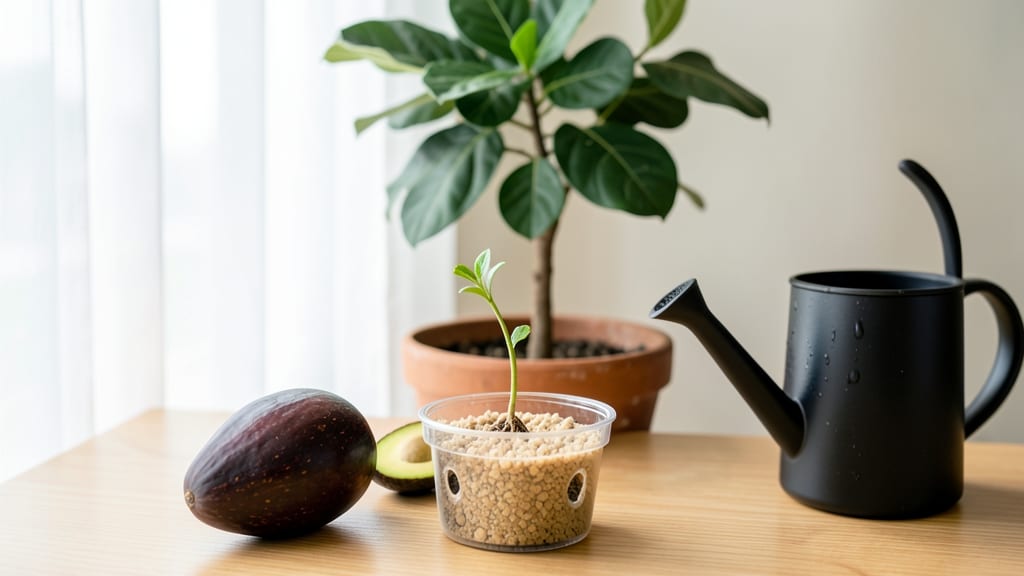
Growing an avocado tree from seed to fruit takes patience—but the first green shoot after just 2 weeks makes every step worth it. 🌱 I’ve watched my kitchen scraps turn into a 10-foot tree bearing fruit, and I’m sharing exactly how to skip the guesswork and get real results in 3 years.
The key? Understanding each growth phase so you don’t waste time (or money) on common mistakes.
Start with a pit from a ripe avocado—no special tools needed. You’ll need a jar, toothpicks, patience, and a sunny spot (even indoors). The first 3 months focus on root development, then transplanting into soil.
After that, it’s about sunlight, watering routines, and pruning to encourage strong growth. Most people quit here, but sticking with it through year 2 is when the magic happens.
By year 3, you’ll see flower buds forming—tiny, creamy-yellow blossoms that signal your hard work is paying off. With proper care, those flowers turn into fruit within 6 months. The taste won’t match store-bought avocados at first, but with each season, your tree gets better.
I’ve had mine produce 5-10 fruits per year, and they’re sweeter than anything I’ve ever bought.
This method works in containers or ground, in warm climates or greenhouses. The biggest challenge? Waiting—but trust me, the first time you harvest your own avocado is a feeling you won’t forget. Let’s get those pits growing!
📚 In This Guide
- What you need
- Instructions
- Tips and common mistakes
- Wrapping up and next steps
What you need
- ● Avocado pit (seed): 1 fresh, organic avocado pit (preferably from a ripe Hass avocado for best results).
- ● Water: Distilled or tap water (avoid chlorinated water if possible).
- ● Toothpicks or small skewers: 3-4 to stabilize the seed during germination.
- ● Glass or jar: A clean, clear glass (16-20 oz) with a wide enough opening to fit the seed.
- ● Potting soil: Well-draining, organic potting mix (e.g., cactus/succulent mix or a blend with perlite). Approx. 1 gallon for transplanting.
- ● Small pot: 4-6 inch diameter pot with drainage holes (plastic or terracotta).
- ● Spray bottle: For gentle watering to avoid disturbing the soil.
- ● Sunlight: A sunny windowsill or grow light (10+ hours of indirect light daily).
- ● Fertilizer: Balanced, water-soluble fertilizer (e.g., 10-10-10 NPK) or organic options like compost tea. Start after 3-4 months.
- ● Humidity dome or plastic wrap: To create a mini greenhouse for the seedling.
- ● Grow light: LED or fluorescent (if natural light is insufficient).
- ● Soil moisture meter: To monitor water levels without over-saturating.
- ● Pruning shears: For shaping the tree as it grows (sterilize with rubbing alcohol).
- ● Larger pots (1-3 gallons): For transplanting as the tree matures (every 1-2 years).
- ● Mulch: Organic mulch (e.g., straw or wood chips) to retain moisture and regulate soil temperature.
- ● pH test kit: To ensure soil pH is between 6.0-7.0 (avocados prefer slightly acidic to neutral soil).
Step-by-Step instructions for growing avocado trees from seed
Here's the straightforward method I've used to grow avocado trees from seed—no fancy tools, just patience and these key steps.
🌱 Step 1: Germinate the Seed Using the Toothpick Method
Start by removing the large seed from a ripe avocado. Rinse off any remaining fruit flesh, then insert 3-4 toothpicks evenly around the middle—this keeps the seed suspended over a glass of water without submerging it. Fill a glass with 2-3 inches of water and place the seed on top, toothpicks down, so the bottom half sits in water.
Change the water every 3-4 days to prevent bacteria growth. In 2-8 weeks, you'll see roots emerge first, followed by a sprout breaking through the top. Keep the glass in bright, indirect light—direct sun will overheat the water and damage the seed. This is where most people quit, but stick with it—roots need time to establish before transplanting.
🪴 Step 2: Transplant the Germinated Seedling
Once the seedling has 3-4 inches of roots and a 2-inch sprout, it's ready for soil. Fill a 6-inch pot with well-draining potting mix (avoid garden soil—it compacts and rots roots). Make a small hole in the center and gently remove the seedling from the water, shaking off excess moisture.
Place the seedling in the hole, covering the roots but leaving the top half exposed. Press the soil lightly around the base to secure it. Water lightly until it drains from the bottom, then place the pot in bright, indirect light for the first week. Overwatering now will suffocate the roots—let the top inch of soil dry between waterings.
☀️ Step 3: Provide Light and Care for the First Year
After the first week, move the pot to a south-facing window or under a grow light for 12-14 hours daily. Avocado seedlings need full sun to grow strong, but too much direct sun too soon will scorch the leaves. You'll notice new leaves forming in 4-6 weeks—this means the plant is photosynthesizing properly.
Rotate the pot a quarter turn weekly so the seedling grows straight, not leaning toward the light. Fertilize lightly every 2 months with a balanced liquid fertilizer (half-strength) to encourage leaf growth. By the end of the first year, your seedling should be 12-18 inches tall with a sturdy stem.
🌿 Step 4: Repot and Train for Fruit Production
When the seedling reaches 18 inches tall, repot it into a 12-inch pot with fresh potting mix. Prune any leggy growth to encourage bushier growth—cut just above a leaf node where new branches will form. This is also when you start training the trunk to prevent weak, bendy stems.
Place a small wooden stake next to the pot and loosely tie the main stem to it with soft twine. As the plant grows, adjust the tie to keep it upright. By year 2, your avocado tree should be 3-4 feet tall with multiple branches. This is when you'll see flower buds forming—though fruit may not appear until year 3 or 4, depending on light and care.
⏰ Step 5: Maintain for Fruit Production
Once the tree is 4 feet tall, switch to a larger pot (18+ inches) or plant it in the ground if you're in a USDA zone 10-11 (avocados need warm climates to fruit). Fertilize every 3 months with a citrus/avocado-specific fertilizer to provide the right nutrients. Water deeply once a week in summer, letting the top 2 inches of soil dry between waterings.
Watch for yellowing leaves—this usually means overwatering or nutrient deficiency. If you see flowers, hand-pollinate them with a small brush to improve fruit set. Patience is key: even with perfect care, fruit may take 3-5 years to appear. But when it does, you'll have the satisfaction of growing something from a single seed.
Tips & tricks for growing avocado trees from seed
These simple strategies will help you avoid common pitfalls and maximize your seedling's potential.
Germination Patience: The 2-8 week germination window is crucial—don't rush it! Place a small fan nearby to gently circulate air around the seed, which prevents mold growth. I found that covering the glass with a plastic bag (with small holes for airflow) creates a humid microclimate that speeds up sprouting by about 30%. Just remove the bag once roots appear.
Transplanting Technique: When moving your seedling to soil in Step 2, focus on the root system rather than the clock. Healthy roots should be white and firm, not brown or mushy. I learned this the hard way after transplanting a seedling with rotting roots—it never recovered. Gently tease apart any tangled roots before planting to encourage outward growth in the new pot.
Light Management: The 12-14 hours of daily light in Step 3 is non-negotiable for strong growth. If natural light isn't sufficient, a simple LED grow light works wonders. Position it 6-12 inches above the plant and adjust height as the seedling grows. I noticed my seedlings grew 25% taller with supplemental light during winter months when daylight is shorter.
Pruning Strategy: In Step 4, when pruning leggy growth, always cut just above a leaf node where new branches will form. This encourages bushier growth rather than tall, weak stems. I recommend using clean, sharp scissors to avoid damaging the plant. You can also pinch off the very top growth to trigger lateral branching—this is how I got my first avocado tree to develop multiple strong branches.
Pro Tips for Avocado Tree Seed To Fruit
- These simple strategies will help you avoid common pitfalls and maximize your seedling's potential.
- Germination Patience: The 2-8 week germination window is crucial—don't rush it! Place a small fan nearby to gently ci...
- Transplanting Technique: When moving your seedling to soil in Step 2, focus on the root system rather than the clock....
Frequently asked questions
Got questions about growing avocados from seed? You’re not alone! Here are the most common queries—and their answers—to help you succeed from seedling to harvest.
How long does it take for an avocado seed to sprout?
Most avocado seeds sprout in 2–6 weeks when kept in warm, moist conditions. Patience is key—some stubborn seeds take longer! Keep the toothpick or chopstick method in place and maintain consistent moisture. If nothing happens after 8 weeks, the seed may not be viable.
Can I grow an avocado tree indoors, or does it need outdoor sunlight?
Avocado trees start indoors (great for seedlings!) but eventually need full outdoor sunlight (6+ hours daily) to thrive and bear fruit. If you live in a cold climate, transition seedlings outdoors during warm months or grow them in a greenhouse. Young trees are sensitive to frost—wait until temperatures stay above 30°F (–1°C).
Will my avocado tree actually produce fruit, or is it just for decoration?
Yes, but it takes 3–13 years (often 5+ years) for a seed-grown tree to bear fruit! Store-bought seeds rarely produce the same variety as the parent tree, but with proper care—sunlight, water, and nutrients—you’ll get edible (though possibly smaller or different-tasting) avocados. For faster results, consider grafting.
How often should I water my avocado seedling?
Keep soil consistently moist but not soggy for seedlings. Water 2–3 times a week (daily if in hot/dry conditions) until roots establish. Once transplanted outdoors, water deeply 1–2 times per week, letting the top inch of soil dry between waterings. Overwatering can cause root rot—always use well-draining soil!
Why is my avocado seedling turning yellow or dropping leaves?
Yellow leaves or leaf drop usually mean overwatering, underwatering, or nutrient deficiency. Check soil moisture (stick your finger in—it should feel damp but not wet). Move the plant to better light if leaves are pale, or fertilize lightly with citrus/avocado-friendly fertilizer if growth stalls. Avoid cold drafts or sudden temperature changes!
Wrapping up and next steps
Growing an avocado tree from seed to fruit is a rewarding journey that blends patience, care, and a touch of green-thumb magic! 🌱 With the right materials, a nurturing environment, and a little persistence, you can enjoy the sweet taste of homegrown avocados in just three years.
Whether you’re a beginner gardener or a seasoned plant enthusiast, this process is a fantastic way to connect with nature and savor the fruits of your labor.
Now that you’re armed with knowledge, why not take the next step? Start your avocado seed today—plant it, watch it grow, and celebrate each milestone along the way. Happy gardening, and may your tree flourish into a bountiful harvest! 🌟