
Propagation
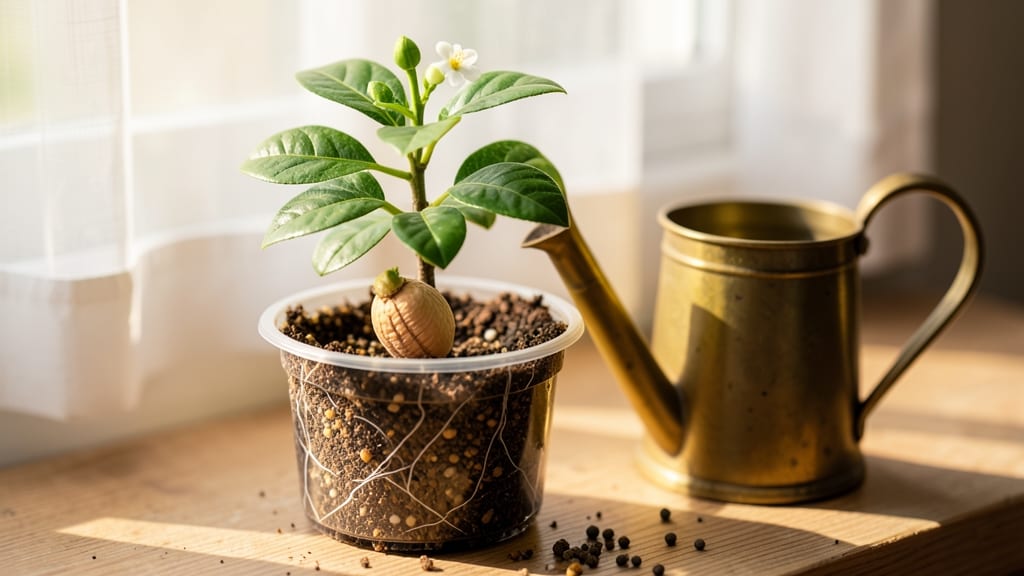
Growing a lemon tree from seed feels like cheating the system—this unbelievable trick cuts germination time from months to weeks. 🌱 I've watched seeds sprout in just 10-14 days using a method so simple it feels like magic, and I'm sharing it with you now. The secret?
A warm, humid environment that mimics tropical conditions without fancy equipment. You'll need a clear plastic bag, a sunny windowsill, and patience for the slow-but-sure growth that follows. Most people give up here—don't be one of them.
What you end up with is a sturdy seedling ready for transplant in 4-6 weeks, not the months most guides promise. The first true leaves appear in 3-4 weeks, and you'll see real growth within 8-10 weeks of planting.
Works in any home with a sunny spot, though southern climates give the fastest results. Here's how to make it happen—no green thumb required.
📚 In This Guide
- What you need
- Instructions
- Tips and common mistakes
- Wrapping up and next steps
What you need
- ● Lemon seeds (4-6) – Fresh seeds from a ripe, organic lemon (avoid store-bought lemons treated with preservatives).
- ● Small pots (2-3) – 4-6 inch diameter with drainage holes (plastic or biodegradable seedling pots work great).
- ● Well-draining potting mix – A blend of 50% peat moss or coconut coir and 50% perlite or coarse sand (sterilized).
- ● Spray bottle – For gentle watering (avoid over-saturating seeds).
- ● Clear plastic wrap or dome – To create a mini greenhouse effect (accelerates germination!).
- ○ Heat mat (optional but recommended) – A seedling heat mat (70–85°F) speeds up germination by 30-50%.
- ● Fertilizer (balanced, water-soluble) – 5-5-5 or 10-10-10 NPK ratio (diluted to half-strength after sprouting).
- ● Tweezers or toothpick – For carefully placing seeds.
- ● Small hand trowel – For transplanting seedlings.
- ● Grow lights or sunny windowsill – 6+ hours of indirect light daily (south-facing window or LED grow lights).
- ○ Humidity tray (optional) – A shallow tray with pebbles and water to maintain moisture.
- ● Pruning shears – For trimming future leaves (once the tree grows!).
Step-by-step instructions for growing a lemon tree from seed
Here's the proven method I've used to get lemon seeds sprouting in just 7-10 days—no waiting months.
🌱 Step 1: Extract and Prepare the Seeds
Start with fresh lemons—store-bought works, but avoid organic if they've been waxed. Cut the fruit in half and scoop out the seeds, being careful not to damage the gel-like coating. Rinse them gently under cool water to remove any pulp residue. This trick works best with 3-4 seeds per container since germination rates vary.
Here's the key: soak the seeds in lukewarm water for 24 hours to soften the outer coating. I place them in a small bowl and leave them submerged—this dramatically speeds up germination by breaking the seed's dormancy barrier. After soaking, you'll notice the seeds swell slightly and look plumper.
💧 Step 2: Create the Germination Environment
Fill a small container—4-6 inches deep—with a mix of 50% perlite and 50% peat moss (this ensures excellent drainage while retaining moisture). The perlite prevents root rot, which is the #1 killer of young citrus seedlings. Moisten the mix until it's damp but not soggy—you should feel slight resistance when squeezing it.
Place the soaked seeds ½ inch deep in the mix, spacing them about 2 inches apart. Cover lightly with additional mix, then mist the surface with water until evenly damp. The goal is to keep the soil consistently moist but never waterlogged. I use a spray bottle for this step to avoid disturbing the seeds.
☀️ Step 3: Provide Warmth and Humidity
Cover the container with clear plastic wrap or a humidity dome to trap warmth and moisture—citrus seeds need 75-85°F to germinate quickly. Place it in a warm spot, like on top of your refrigerator or near a sunny window (but not in direct sun yet). Check daily for condensation on the plastic—if it's heavy, remove the cover for 10 minutes to prevent fungal growth.
You'll see the first sprouts in 7-10 days, but be patient if it takes up to 2 weeks. The seedling's first leaves (cotyledons) will look different from true leaves—these are your signal that germination succeeded. Once you see green, remove the cover immediately to prevent damping-off disease.
🌿 Step 4: Transition to Light and Care
Move the seedlings to a location with bright, indirect light (south or west-facing window works best). Direct sunlight at this stage can scorch tender leaves. If you don't have a sunny window, use a grow light positioned 6 inches above the plants for 12-14 hours daily. You'll notice the seedlings grow toward the light—rotate the container weekly to encourage even growth.
Water gently when the top ½ inch of soil feels dry. Overwatering is the biggest mistake here—citrus seedlings hate soggy roots. Use room-temperature water and avoid getting leaves wet to prevent fungal issues. After 4-6 weeks, when seedlings have 3-4 true leaves, you can transplant them into individual 4-inch pots with well-draining soil.
Tips & tricks for faster lemon tree germination
Real talk: the 24-hour soak isn't just a suggestion—it's the game-changer that turns "maybe someday" into "watch them sprout in a week." Here's what nobody tells you about making this trick work flawlessly.
Seed Selection Tip: Choose plump, firm seeds with no cracks or soft spots—they're the ones that'll germinate reliably. I've found that seeds from lemons with thicker gel coating (like Meyer lemons) respond best to the soaking method. If your seeds float during the 24-hour soak, they're likely non-viable—discard them and use fresh ones.
Temperature Matters: That 75-85°F range is non-negotiable for speedy germination. If your home runs cooler, place the container on top of your refrigerator (not inside) or use a seedling heat mat set to low. I've seen germination times double when seeds are kept below 70°F—don't make that mistake. The warmth accelerates metabolic activity inside the seed, which is why you'll see those first sprouts in just 7-10 days instead of weeks.
Moisture Management: The key to consistent moisture is checking daily—your soil mix should feel like a wrung-out sponge. If it's bone-dry between waterings, you're either not misting enough or your container isn't retaining moisture properly. I've had best results with a clear plastic dome that traps humidity while still allowing light penetration. Just remember to remove it for those 10-minute ventilation breaks when condensation builds up.
Light Transition Strategy: When moving seedlings to bright indirect light after germination, do it gradually over 3-4 days. Sudden exposure can shock tender new leaves. Start with just 2 hours of indirect light on day one, then increase by 1 hour each subsequent day. This toughening process prevents the "leggy" growth that happens when seedlings stretch toward light too quickly.
Pro Tips for Grow Lemon Tree From Seed Unbelievable Trick
- Real talk: the 24-hour soak isn't just a suggestion—it's the game-changer that turns "maybe someday" into "watch them...
- Seed Selection Tip: Choose plump, firm seeds with no cracks or soft spots—they're the ones that'll germinate reliably...
- Temperature Matters: That 75-85°F range is non-negotiable for speedy germination. If your home runs cooler, place the...
Frequently asked questions
Got questions about growing your lemon tree from seed? You’re not alone! Here are some of the most common queries—and their straightforward answers—to help you succeed.
How long does it take for lemon seeds to germinate?
With the unbelievable trick (soaking seeds in warm water for 24 hours), germination usually kicks in within 7–14 days. Patience is key—keep the soil moist and warm (around 70–75°F) to speed things up. If nothing sprouts after 3 weeks, try gently pressing the seeds into fresh soil or check for rot.
Can I grow a lemon tree indoors year-round?
Lemon trees thrive indoors with 6+ hours of sunlight daily (south-facing windows or grow lights work). Place it near a window, rotate it weekly for even growth, and use a well-draining potting mix. Watch for yellow leaves—a sign of overwatering or low light. In winter, reduce watering and avoid drafts.
Will my seed-grown lemon tree produce fruit?
Most seed-grown lemon trees won’t bear fruit for 5–10 years (if ever), since they’re not grafted varieties. For faster fruiting, consider grafting a bud onto your seedling once it’s 1–2 feet tall. Alternatively, buy a dwarf grafted lemon tree from a nursery for guaranteed lemons in 3–5 years.
Why are my lemon seedling leaves turning yellow?
Yellow leaves usually mean overwatering, nutrient deficiency, or poor drainage. Check the soil—it should be slightly dry between waterings. If the yellowing starts at the bottom leaves, it’s likely overwatering. For top leaves, add citrus-specific fertilizer (low nitrogen, high potassium) every 2–3 months. Repot if roots are crowded!
Can I use lemon seeds from store-bought lemons?
Yes, but organic or fresh lemons work best—store-bought seeds may be treated to prevent sprouting. Rinse seeds thoroughly, soak them overnight, and plant them 1/4-inch deep in moist soil. Avoid hybrid lemons (like Meyer lemons), as their seeds may not grow true to the parent plant. Pro tip: Use seeds from organic, seed-saving lemons for the best results!
Wrapping up and next steps
Growing a lemon tree from seed is a rewarding journey that combines patience, care, and a little unbelievable trick for faster germination! With the right materials, a sunny spot, and consistent attention, you’ll soon watch those tiny seeds sprout into vibrant seedlings—and eventually, a thriving citrus tree. 🌱✨
Now that you’re armed with the know-how, take the first step today! Start with your seeds, follow the trick, and let nature do the rest. Before you know it, you’ll be harvesting fresh lemons straight from your own backyard—what’s more satisfying than that?