
Propagation
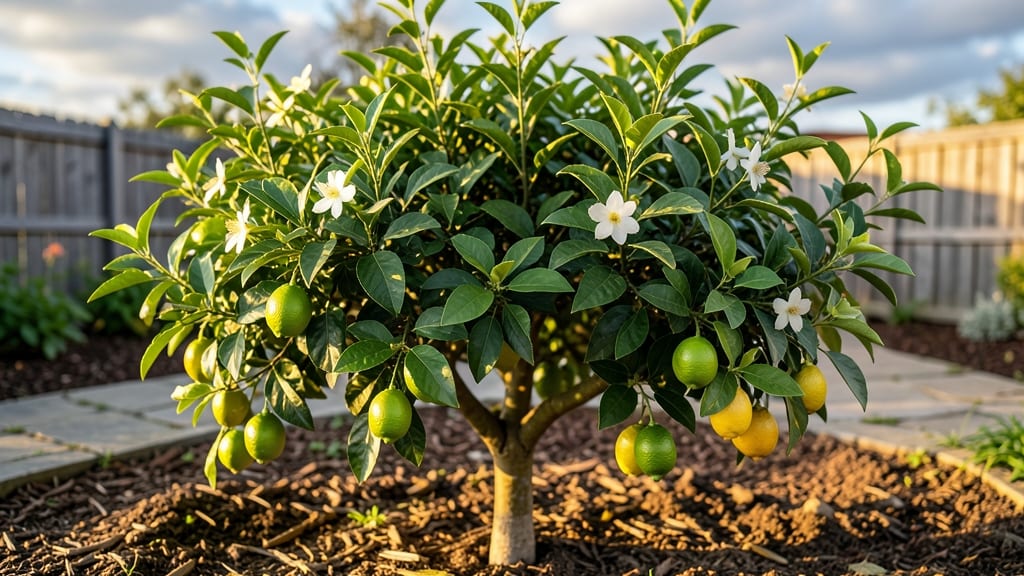
Growing a lemon tree from seed to fruit is the ultimate test of patience—and it starts with a single pit that could become your kitchen's most fragrant centerpiece. 🌱 The journey from that first sprout to your first homegrown lemon takes 3-5 years, but the process is simpler than you'd think, especially with the zero-fail germination tricks I've perfected after years of trial (and a few failed attempts).
The key to success lies in mimicking the Mediterranean climate where lemons thrive: bright light, well-draining soil, and consistent moisture without soggy roots.
Most people give up when their seedling grows slowly, but that's exactly when you need to stay patient—those first few years build the strong roots that'll support fruit production later.
I've grown mine in pots on my balcony, and even in Zone 7, it produces lemons year-round with proper winter care. By year three, you'll start seeing those signature lemon blossoms, and within a year of that, your first actual fruit will appear.
The smell alone—bright, citrusy, and impossible to resist—makes every season of waiting worth it. The trees stay compact enough for containers, so you can grow them anywhere with enough sun.
Here's where it gets interesting: seed-grown lemons are sweeter and more complex than store-bought varieties, but they take longer to fruit. That's the trade-off for the satisfaction of growing something truly unique from scratch. Ready to start your citrus journey?
📚 In This Guide
- What you need
- Instructions
- Tips and common mistakes
- Wrapping up and next steps
What you need
- ● Lemon seeds: 3–5 fresh, plump seeds (harvested from organic lemons for best results). Pro tip: 💡 Rinse seeds thoroughly to remove pulp before planting!
- ● Seed-starting mix: 1–2 cups of sterile, well-draining potting soil (or a 50/50 mix of peat moss and perlite).
- ● Small pots or seed trays: 2–3 biodegradable pots (3–4 inches wide) or a shallow tray with drainage holes.
- ● Plastic wrap or humidity dome: To create a mini greenhouse effect.
- ● Spray bottle: For gentle watering (avoid over-saturating seeds!).
- ● Grow lights or sunny windowsill: A south-facing window or LED grow light (12–14 hours/day for seedlings).
- ● Watering can or cup: For consistent moisture (avoid soggy soil!).
- ● Fertilizer: A balanced, water-soluble fertilizer (5-5-5 NPK) for seedlings (use sparingly!).
- ● Heat mat: To maintain soil warmth (70–80°F for faster germination).
- ● Humidifier or pebble tray: For extra humidity in dry climates.
- ● Pruning shears: For shaping the tree as it grows.
- ● Larger pot (1–2 gallons): For transplanting once roots fill the starter pot.
Step-by-step instructions for growing a lemon tree from seed to fruit
Here's how to turn a single seed into a thriving lemon tree bearing fruit—no fancy equipment needed.
🌱 Step 1: Extract and Soak the Seed
Start by carefully removing a seed from a fresh, organic lemon. Rinse it thoroughly under cool water to remove any pulp residue—this prevents mold. Place the seed in a small bowl and cover it with lukewarm water (about 70°F) for 24-48 hours. The seed’s outer coating is tough, and soaking softens it for faster germination.
After soaking, check the water level daily—keep it topped off so the seed stays submerged. You’ll see tiny white roots emerge within 12-24 hours, signaling it’s ready for planting. Don’t rush this step; proper hydration is your first line of defense against moldy seeds.
🪴 Step 2: Plant the Germinated Seed
Fill a 4-6 inch diameter pot with well-draining potting mix (avoid garden soil—it compacts and drowns roots). Make a small hole about ½ inch deep and place the seed root-side down. Cover it lightly with soil, pressing gently to secure it without compacting.
Water the soil until it feels evenly moist, but not soggy. Place the pot in a warm, sunny spot (like a south-facing windowsill) where temperatures stay between 65-75°F. Use a humidity dome or plastic wrap to trap warmth and moisture—this mimics tropical conditions lemons love. Remove the cover once you see the first true leaves.
☀️ Step 3: Provide Light and Care for Seedling Growth
Once the seedling sprouts its first pair of true leaves (not the initial seed leaves), move it to a location with 6+ hours of direct sunlight daily. A grow light works if natural light is weak, but keep it 4-6 inches above the plant to avoid burning delicate leaves. Rotate the pot weekly so the stem grows straight.
Water when the top inch of soil feels dry—this prevents root rot while keeping the plant hydrated. Fertilize lightly with a diluted citrus-specific fertilizer every 4-6 weeks once the seedling reaches 6 inches tall. Over-fertilizing now will scorch tender roots.
⏰ Step 4: Transplant and Encourage Flowering
After 6-12 months, when the seedling has 4-5 sets of leaves, transplant it to a 12-15 inch pot with fresh potting mix. Choose a pot with drainage holes—lemons hate soggy feet. Place the tree in a spot with full sun exposure and protect it from cold drafts (below 50°F stunts growth).
To encourage flowering, reduce watering slightly in late winter to stress the tree gently—this triggers blooms. Once flowers appear, hand-pollinate them with a small brush to ensure fruit set. Be patient: fruit may take 2-5 years from seed, but proper care speeds up the process.
🍋 Step 5: Harvest and Maintain Year-Round
Lemons ripen unevenly, so check the tree weekly for fruit that turns yellow and yields slightly to gentle pressure. Harvest with pruning shears, leaving a ¼ inch stem attached. Store lemons at room temperature for 1-2 weeks or refrigerate for longer shelf life.
After harvesting, trim any dead or overcrowded branches to improve airflow and sunlight penetration. Feed the tree with citrus fertilizer every 2-3 months in growing season, and repot every 2 years to refresh the soil. With consistent care, your lemon tree will reward you with fruit for decades.
Tips & tricks for perfect lemon tree growth
Here's what nobody tells you about growing lemon trees from seed—these tricks will help you avoid common pitfalls and maximize your chances of success.
Soaking Secrets: The 24-48 hour soaking period is crucial, but don't just eyeball the water temperature. Use a thermometer to confirm it stays at 70°F—too hot and you risk cooking the seed, too cold and germination slows dramatically. I've seen seeds fail because the water got too warm from sitting in direct sunlight. Change the water every 12 hours to prevent bacterial growth, and tap the bowl gently each morning to encourage oxygen circulation to the seed.
Planting Precision: When planting your germinated seed in Step 2, make that ½ inch deep hole just deep enough to cover the roots but leave the top of the seed exposed. Press the soil lightly around it—think "gentle hug," not "compacted brick." I learned this the hard way after planting too deep, which caused the seed to rot before sprouting. The humidity dome is your best friend here, but remove it immediately when you see the first true leaves to prevent fungal growth.
Lighting Strategy: That 6+ hours of direct sunlight in Step 3 isn't just about duration—it's about quality. South-facing windows are ideal, but if you're using a grow light, position it 4-6 inches above the plant and use a timer for 12-14 hours of light daily. I rotate my seedlings weekly because they naturally grow toward the light source, creating lopsided growth. A simple DIY solution is to turn the pot a quarter turn each week.
Flowering Trigger: The late winter water reduction in Step 4 is your secret weapon for flowering, but timing is everything. Start this stress-inducing dry spell when nighttime temperatures consistently stay above 50°F—below that and the tree won't respond. I've found that reducing water by about 30% (watering when the top 2 inches of soil are dry) works best. Once flowers appear, that hand-pollination step is non-negotiable—citrus trees often need help transferring pollen between flowers.
Pro Tips for Lemon From Seed To Fruit
- Here's what nobody tells you about growing lemon trees from seed—these tricks will help you avoid common pitfalls and...
- Soaking Secrets: The 24-48 hour soaking period is crucial, but don't just eyeball the water temperature. Use a thermo...
- Planting Precision: When planting your germinated seed in Step 2, make that ½ inch deep hole just deep enough to cove...
Frequently asked questions
Growing a lemon tree from seed to fruit is an exciting journey, but it’s natural to have questions along the way! Here are some of the most common queries—plus quick, practical answers—to keep your project on track.
How long does it take for a lemon seed to sprout?
A lemon seed typically sprouts within 2 to 4 weeks if kept in warm, moist conditions (around 70–80°F). Patience is key—some seeds may take longer, especially if they’re dried out or stored improperly. Keep the soil consistently damp (not soggy) and place the pot in bright, indirect light to encourage germination.
When will my lemon tree produce fruit?
Don’t expect lemons right away! A seed-grown lemon tree usually takes 3 to 5 years to bear fruit, depending on care, climate, and variety. Dwarf varieties (like Meyer lemons) may fruit faster, but even then, it’s a marathon, not a sprint. Prune regularly, fertilize in spring, and provide full sun to speed up the process.
What’s the best temperature for growing lemon trees indoors?
Lemon trees thrive in 60–85°F during the day and 50–60°F at night. If your home dips below 50°F, move the plant away from drafts or use a grow light. Avoid sudden temperature swings—these can stress the tree and stunt growth. A sunny windowsill (south-facing is ideal) or a grow light setup works best for indoor cultivation.
Can I grow a lemon tree from a grocery store lemon?
Yes, but with a caveat! Supermarket lemons are often hybrids (like Eureka or Lisbon) and may not produce true-to-type fruit. For better results, use seeds from a Meyer lemon (a cold-hardy, sweet variety) or a tree-grown lemon. If you’re experimenting, label your seeds and track growth—you might discover a unique surprise!
Why are my lemon tree leaves turning yellow or dropping?
Yellow leaves or leaf drop usually signal overwatering, underwatering, or nutrient deficiencies. Check the soil—it should be slightly moist but not soggy. Yellowing edges often mean low humidity or fluoride buildup from tap water (use filtered or rainwater instead). Brown spots? That could be pests like spider mites—treat with neem oil or insecticidal soap if needed.
Pro Tip:
For faster germination, soak lemon seeds in warm water for 12–24 hours before planting. This softens the seed coat and encourages quicker sprouting. Plus, it’s a great way to test viability—seeds that float are likely non-viable!
Wrapping up and next steps
Growing a lemon tree from seed to fruit is a rewarding journey that blends patience, care, and a dash of green-thumb magic! 🌱 From nurturing your seedling to harvesting sweet, tangy lemons, every step is a testament to nature’s resilience—and yours.
Whether you’re a beginner or a seasoned gardener, this guide proves that with the right tools and a little love, you can turn a tiny seed into a thriving tree.
Now that you’re armed with knowledge, why not take the next step? Plant that seed today and watch your lemon tree grow—one leaf, one bloom, and one juicy lemon at a time. Happy growing! 🍋✨