
Lawn
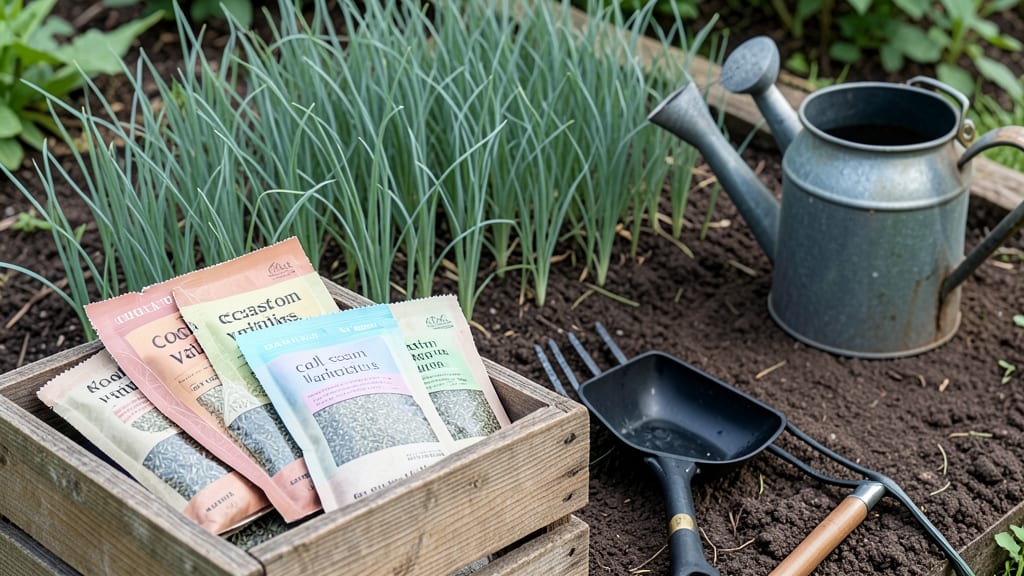
Will grass seed grow in the fall? Yes—it thrives in cooler weather, giving roots a head start before winter. 🌱 I’ve seen lawns transform from bare patches to thick, green carpets by spring because of this simple timing trick. The key is planting when soil stays above 50°F but nights dip toward frost, usually 4-6 weeks before your first hard freeze. Most grass types—like tall fescue, ryegrass, and fine fescue—germinate best in fall’s mild temperatures. Weeds slow down too, so new grass gets the upper hand. Just avoid planting when frost is forecast within 10 days, or seeds may rot before sprouting. Prep your soil by raking out debris and loosening the top 2-3 inches—this gives roots room to establish. Water gently but deeply twice daily until germination (about 10-21 days), then taper to 1 inch per week once growth starts. Regional tweaks matter: Northern zones (like Zone 4-6) may need earlier planting, while Southern zones (Zone 7+) can wait until October. Frost-hardy varieties like ryegrass handle winter better than warm-season grasses like Bermuda.
📚 In This Guide
- What you need
- Instructions
- Tips and common mistakes
- Wrapping up and next steps
What you need
- ● Cold-hardy grass seed: Choose cool-season varieties like tall fescue, Kentucky bluegrass, or perennial ryegrass (10–20 lbs per 500 sq ft, depending on coverage needs).
- ● Lawn fertilizer: Select a fall-specific blend with a high phosphorus (P) content (e.g., 0-1-2 or 5-10-10 ratio) to encourage root growth (apply ~1 lb per 100 sq ft).
- ● Soil amendment: Compost or peat moss (1–2 inches spread evenly) to improve soil texture and moisture retention.
- ● Lawn rake: A bow rake (for leveling) or dethatching rake (if your lawn has a thick thatch layer).
- ● Water source: A hose with a sprinkler head or garden sprayer (for gentle, even watering).
- ● Mulching hay or straw: Straw (not hay!) to protect seeds from birds and erosion (apply lightly, ~1/4 inch thick).
- ● Broadcast spreader: For even seed distribution (manual or electric, calibrated to your seed type).
- ● Soil test kit: To check pH and nutrient levels (ideal range: 6.0–7.0 for cool-season grasses).
- ● Lawn aerator: Core aerator (rent or buy) to loosen compacted soil before seeding (especially for high-traffic areas).
- ○ Weed barrier fabric: Optional for bare spots to block weeds while seeds germinate.
- ● Weather tracker app: To monitor fall frost dates and plan seeding 4–6 weeks before the first hard freeze.
Step-by-step instructions for fall grass seed germination
Fall planting gives grass seeds the perfect head start—here's how to set them up for spring success.
🌱 Step 1: Prepare the Soil for Optimal Germination
Test your soil's pH first—ideal levels for cool-season grasses like fescue or ryegrass sit between 6.0 and 7.0. If your soil tests lower, add pelletized lime two weeks before planting to adjust the pH gradually. I like to till the top 4 inches of soil to loosen it, removing any weeds or debris that could compete with new seedlings.
Rake the surface until it feels smooth like a putting green—this ensures good seed-to-soil contact. The goal is a firm but not compacted bed where seeds can nestle just below the surface. If your soil is sandy, mix in 1 inch of compost to retain moisture during germination.
☀️ Step 2: Choose the Right Grass Seed Variety and Plant at Peak Fall Timing
Cool-season grasses like tall fescue, Kentucky bluegrass, and perennial ryegrass thrive when planted 4-6 weeks before your first hard frost. Check your local frost dates—this window ensures seeds germinate in warm soil but establish roots before winter dormancy. I always opt for certified seed with a high germination rate (90% or better) to avoid patchy lawns.
Spread seed evenly using a broadcast spreader set to the recommended rate for your grass type. For most varieties, that's about 10-12 pounds per 1,000 square feet. Lightly rake the area again to press seeds into the soil—just enough so they're covered but not buried deeper than ¼ inch.
💧 Step 3: Water Strategically for Fall Establishment
Water immediately after planting, applying ¼ inch of water to keep the soil moist but not soggy. The key is consistent moisture—seeds need to stay damp for 7-10 days to germinate. I set up a light sprinkler on a timer for 10 minutes daily to mimic natural rainfall without over-saturating the soil.
Once seedlings reach 2 inches tall, reduce watering to ½ inch per week to encourage deep root growth. Avoid heavy foot traffic until the grass reaches 3 inches—this prevents seedling damage and helps roots establish before winter. If frost threatens, cover the area with straw mulch to protect tender new growth.
⏰ Step 4: Monitor and Maintain Through Winter
Check the lawn weekly for bare spots—these often indicate poor seed contact or uneven watering. If you spot gaps, sprinkle additional seed lightly and water immediately. Cool-season grasses grow slowly in fall, so don't expect rapid results, but you'll see first green shoots in 2-3 weeks under ideal conditions.
In late fall, apply a light layer of compost (about ¼ inch) to insulate roots and retain moisture. Avoid fertilizing until spring—new seedlings need to focus on root establishment, not leaf growth. If snow covers the area, it actually helps by providing natural insulation and moisture.
Tips & tricks for perfect fall grass seed germination
A few strategic moves can transform your fall planting from hit-or-miss to a lush spring lawn. Here's what I've learned after years of testing:
Soil Prep Secret: The ideal soil pH of 6.0-7.0 isn't just a number—it's the foundation for germination success. I've seen seeds fail to sprout when soil was too acidic, even with perfect timing. Test your soil two weeks before planting and adjust with pelletized lime if needed. For sandy soils, that extra inch of compost isn't just helpful—it's essential for moisture retention during those critical first 10 days of germination.
Timing is Everything: That 4-6 week window before your first hard frost isn't arbitrary—it's when soil temperatures stay warm enough for germination while still allowing roots to establish before winter dormancy. I check local frost dates religiously and adjust my planting schedule accordingly. Pro tip: Plant when daytime temperatures are above 60°F but nights are cooling—this balance gives seeds the warmth they need without risking summer drought stress.
Watering Precision: Those first 7-10 days of consistent moisture are make-or-break. I've ruined lawns by either overwatering (which causes seed rot) or underwatering (which leads to desiccation). The 10-minute daily sprinkler timer isn't just a suggestion—it's the perfect balance. Once seedlings hit 2 inches, you can ease up to half-inch weekly, but never let the soil dry out completely during establishment.
Winter Protection Strategy: That light layer of compost in late fall isn't just for aesthetics—it's insulation. I've seen snow-covered lawns thrive where uncovered areas failed. The compost acts like a blanket, protecting roots from temperature swings while retaining moisture. And when frost threatens, straw mulch is your best friend—it shields tender new growth without smothering the seedlings.
Pro Tips for Will Grass Seed Grow In The Fall
- A few strategic moves can transform your fall planting from hit-or-miss to a lush spring lawn.
- Soil Prep Secret: The ideal soil pH of 6.0-7.0 isn't just a number—it's the foundation for germination success.
- Timing is Everything: That 4-6 week window before your first hard frost isn't arbitrary—it's when soil temperatures stay warm enough for germination while still allowing roots to establish before winter dormancy.
Frequently asked questions
Can I plant grass seed in late fall if frost is expected soon?
Yes! Many cool-season grasses (like fescue, ryegrass, or bluegrass) thrive when sown 4–6 weeks before your first hard frost. The seeds germinate in mild fall temps and establish roots before winter, giving you a head start in spring. Just avoid planting too close to frost—seeds need some soil warmth to sprout.
How long does it take for fall-planted grass seed to germinate?
Germination time varies by grass type and temperature. In fall, expect:
- Cool-season grasses: 7–21 days (sooner in warm fall weather).
- Warm-season grasses (less ideal for fall): 14–30+ days (risky if frost hits).
Do I need to water differently in fall than in spring?
Fall watering should be gentler but consistent:
- Water lightly 2x/day (morning/evening) for the first 2 weeks to keep soil moist but not soggy.
- Once seedlings sprout, water deeply 1–2x/week (let soil dry slightly between waterings).
- Avoid overhead sprinklers if frost is forecast—use soaker hoses instead.
Will birds or wildlife eat my grass seed before it grows?
Yes, but don’t panic! Birds and squirrels love fresh seed. To deter them:
- Spread seed by hand (not broadcast) to reduce exposure.
- Cover seed lightly with straw or peat moss (1/4 inch).
- Try winter ryegrass—it germinates faster and is less appealing to wildlife.
- Scatter seed on a windy day when birds are less active.
What if my fall-planted grass doesn’t survive winter?
Don’t worry—fall seeding is still worth it! Even if some seed dies back, roots often survive under snow cover. In spring:
- Rake away dead debris to reveal new growth.
- Fertilize lightly (use a starter fertilizer with phosphorus).
- Water deeply if spring is dry—established roots need hydration.
Wrapping up and next steps
Planting grass seed in the fall can absolutely work—and often yields impressive results! 🌱 The cooler temperatures and frequent rainfall create ideal conditions for germination, while the seeds establish strong roots before winter.
With the right variety, preparation, and care, you’ll be rewarded with a thicker, greener lawn come spring.
Ready to give it a try? Start by choosing your grass seed, prepping your soil, and following the steps we’ve shared. Your future lawn will thank you! 🌿