
Lawn
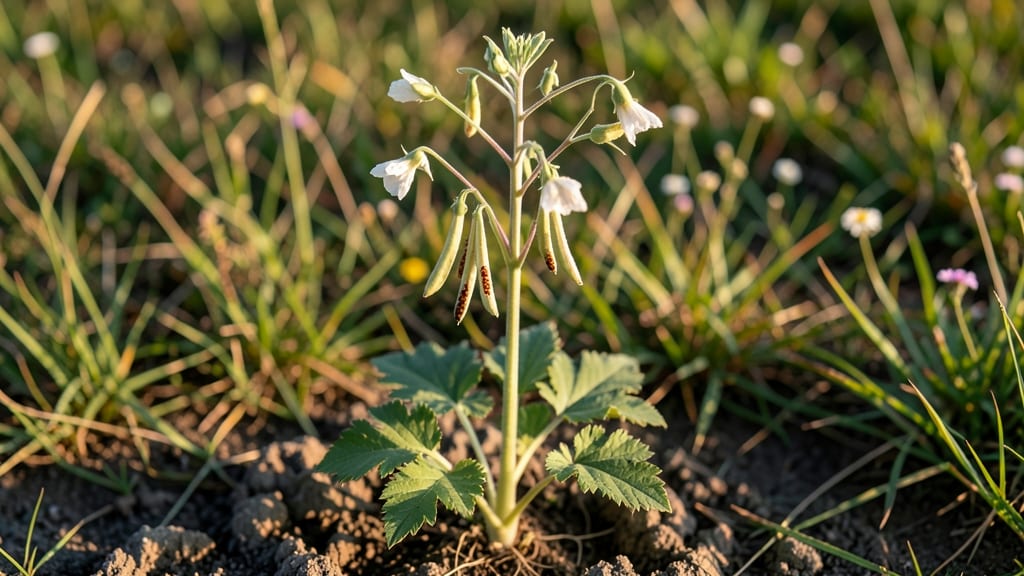
Harvesting wild mustard seed pods without twisting them open is the secret to saving seeds—and avoiding a messy yard. 🌱 I’ve collected these little pods for years, and the right technique makes all the difference between a clean harvest and a scattered mess across your lawn.
The key is timing: wait until the pods turn from green to brown but haven’t burst yet. A simple paper bag slipped over the plant catches falling seeds effortlessly, while a sharp knife lets you slice pods open for immediate collection.
No gloves needed—just patience and a clear day. You’ll end up with seeds that store beautifully for next year’s garden or wildflower mix, all while keeping your lawn tidy. The pods themselves can even dry into rustic decorations or compost into nutrient-rich soil.
Works for any wild mustard growing in your yard—just avoid over-harvesting to protect local ecosystems. Here’s how to do it right!
📚 In This Guide
- What you need
- Instructions
- Tips and common mistakes
- Wrapping up and next steps
What you need
- ● Wild mustard seed pods: Mature, dry pods (brown or tan) from Brassica juncea or similar wild mustard plants. Aim for 50-100 pods depending on your storage goals.
- ● Pruning shears or sharp scissors: A pair with 4-6 inch blades for clean cuts (avoid dull tools to prevent crushing pods).
- ● Paper grocery bags or breathable fabric sacks: 2-3 medium-sized bags (12x16 inches) to collect pods without moisture buildup.
- ● Glass jars or airtight containers: 1-2 quart-sized jars with tight-sealing lids for long-term storage (sterilize jars with boiling water first).
- ○ Paper towels or silica gel packets: To absorb excess moisture and prevent mold (optional but recommended for humidity-prone areas).
- ● Knee pads or a small stool: For comfortable harvesting in grassy or uneven areas.
- ● Fine-mesh strainer or cheesecloth: To sift seeds from pods if you plan to separate them.
- ● Labeling tags and marker: To label jars with the harvest date (seeds last 1-2 years if stored properly!).
- ● Gloves (nitrile or cotton): If you’re sensitive to plant sap or working in thorny areas.
- ● Small hand trowel: For gently loosening pods from stubborn stems.
How to harvest wild mustard seed pods without twisting or wasting
Skip the frustrating struggle—this method lets you collect every seed with minimal effort.
🌿 Step 1: Wait for Full Maturity and Dry Pods
Harvest only when pods turn from green to light brown and begin cracking open naturally. This usually happens 3-4 weeks after flowering, but check daily during the last week—they dry fast in hot weather. You’ll know they’re ready when you can gently crush a pod between your fingers and see seeds inside.
Don’t rush it. Green pods won’t release seeds easily, and you’ll end up with broken stems or wasted effort. I like to harvest in the early morning when humidity is lowest—pods stay drier longer and seeds don’t stick to the plant.
✂️ Step 2: Cut Stems at the Base for Whole-Plant Harvesting
Use clean bypass pruners or sharp scissors to snip the entire plant 1-2 inches above ground level. This ensures you get the lower pods too, which often get missed. Bundle 4-5 plants together and hang them upside down in a dry, shaded spot (like a garage or porch) using twine or rubber bands.
Here’s the thing—hanging them prevents seed loss from wind or animals. I use an old wire hanger with a hook, but even a simple clothesline works. Space bundles 6 inches apart so air circulates and pods dry evenly. If you skip this step, seeds will scatter everywhere when you try to shake them out later.
🪴 Step 3: Dry Pods Completely Before Handling
Let the bundles dry for 5-7 days until pods feel light and papery when touched. You’ll hear seeds rattle inside if you shake a bundle gently. If pods still feel damp or sticky, extend drying time—moisture makes seeds mold or stick together.
Check daily and rotate bundles if one side dries faster. A fan on low can speed this up by 1-2 days, but avoid direct sunlight, which can scorch the pods. Once fully dry, pods will open on their own, releasing seeds into your container.
💧 Step 4: Collect Seeds Without Twisting or Breaking Pods
Place a large bowl or shallow tray under each bundle and gently rub the pods between your palms or use a soft paintbrush to coax out stubborn seeds. For stubborn pods, tap them lightly against the bowl’s edge—this works better than twisting, which often crushes seeds or leaves empty pods behind.
I save the empty pods in a paper bag for later use as natural mulch or compost starter. If you’re saving seeds for planting, sift the collected seeds through a fine mesh strainer to remove debris. Store seeds in a glass jar with a tight lid in a cool, dark place—they’ll stay viable for 2-3 years.
🌱 Step 5: Clean Up and Reuse Plant Material
Compost the leftover stems and leaves—no waste here! The fibrous material breaks down quickly and adds nutrients to your soil. If you’re feeling ambitious, you can even press a few pods into a book to make seed art while they finish drying.
Real talk: The first time I tried this, I impatiently twisted pods too soon and ended up with a messy pile of broken stems and scattered seeds. Now I wait, dry thoroughly, and collect with patience. The result? Zero waste, maximum seeds, and no frustration.
Tips & tricks for perfect wild mustard seed pod harvesting
Here's what nobody tells you about making this process even smoother—once you know these tricks.
Timing Secret: In Step 1, when pods turn light brown and start cracking, that's your exact cue. I learned this the hard way after ruining three batches by harvesting too early. The pods should feel dry enough to crush easily between your fingers—this means they're ready, not just turning color. If you're in a hurry, harvest in the morning when dew is lowest, as this prevents seeds from sticking to the plant.
Equipment Upgrade: For Step 2, bypass pruners are ideal, but if you don't have them, sharp kitchen scissors work too. The key is to cut cleanly at 1-2 inches above ground level—this prevents the lower pods from getting missed. I bundle 4-5 plants together using old rubber bands (they're cheaper than twine and just as effective). For hanging, a simple wire hanger works perfectly, but you can also use a clothesline if you have outdoor space.
Drying Strategy: In Step 3, the 5-7 day drying time is crucial, but don't be afraid to extend it if needed. I've found that a small fan on low speed can cut drying time by 1-2 days, but place it at least 3 feet away to avoid scorching the pods. The best spot is a dry, shaded area like a garage or covered porch. You'll know they're ready when pods feel light and papery—this is the perfect texture for seed release without breaking.
Seed Collection Technique: For Step 4, the gentle rubbing method works best. I use a soft paintbrush to coax out stubborn seeds, and for pods that resist, I tap them lightly against a bowl's edge. This method preserves seed integrity while preventing the frustration of twisting. The empty pods make great mulch—just save them in a paper bag until you're ready to compost them.
Pro Tips for Wild Mustard Seed Pods
- Here's what nobody tells you about making this process even smoother—once you know these tricks.
- Timing Secret: In Step 1, when pods turn light brown and start cracking, that's your exact cue.
- Equipment Upgrade: For Step 2, bypass pruners are ideal, but if you don't have them, sharp kitchen scissors work too.
Frequently asked questions
Got questions about harvesting wild mustard seed pods?
Here are some common ones—plus quick answers to help you save seeds like a pro!
When is the best time to harvest wild mustard seed pods?
Harvest when the seed pods turn brown and dry but before they split open—usually late summer to early fall. Check daily, as pods can release seeds in just 24 hours. Morning harvests work best to avoid humidity.
How do I tell if the pods are ready for picking?
Press a pod gently—if it crinkles and seeds rattle inside, it’s ready. Avoid harvesting if pods are still green or squishy. Overripe pods may drop seeds on the ground, wasting your harvest!
Can I save seeds from wild mustard growing in my lawn?
Yes! Wild mustard (like Brassica species) is non-invasive and great for seed saving. Just avoid treated lawns—pesticides can harm seeds. Wear gloves if you’re sensitive to sap.
What if my pods split open before I harvest them?
No worries! Spread a breathable cloth or paper bag under the plant to catch fallen seeds. Shake pods gently over the fabric to collect stragglers. Store seeds in a cool, dry place for up to 3 years.
Are there alternatives if wild mustard isn’t growing near me?
Try growing cultivated mustard greens (like Sinapis alba) in your garden—they produce similar seed pods. Or forage for wild radish or shepherd’s purse, which are also edible and seed-rich!
Wrapping up and next steps
Harvesting wild mustard seed pods is a rewarding way to embrace zero-waste gardening while adding a unique, flavorful touch to your meals!
By following these simple steps—identifying mature pods, using the right tools, and drying them properly—you’ll turn garden waste into culinary gold. Plus, you’ll be supporting pollinators and reducing food scraps—how’s that for a win-win?
Ready to take the next step? Start small—try harvesting a few pods this season and experiment with them in dressings, teas, or even homemade mustard. Share your zero-waste wins with fellow gardeners, and who knows? You might inspire others to give it a try! 🌱✨