
Lawn
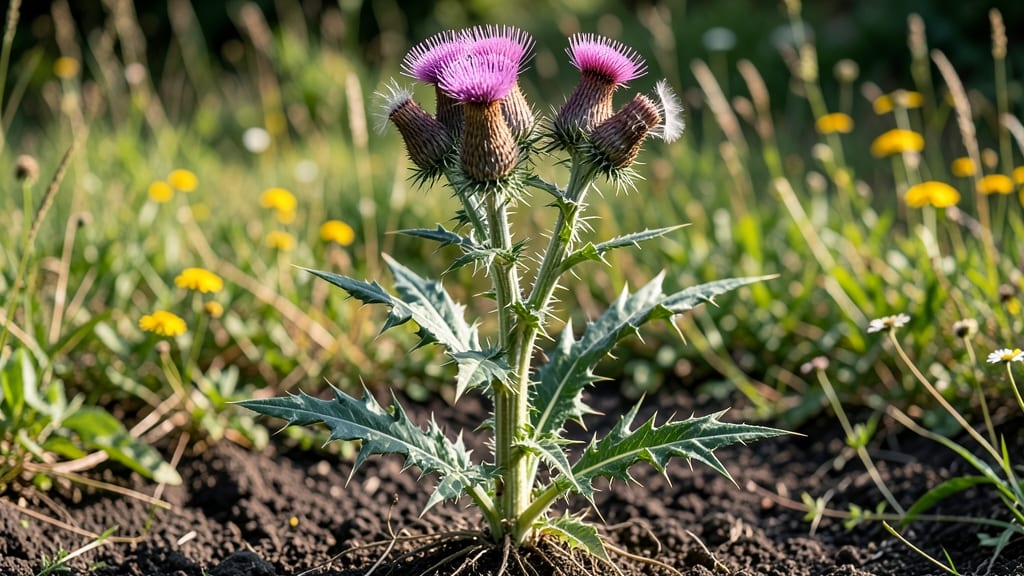
Twisting thistle seed heads into dried arrangements transforms your garden's scraps into stunning winter decor. 🌿 I’ve turned what used to be a nuisance into a zero-waste centerpiece that lasts months—no special skills required.
These spiky, textured blooms add drama to cottage-style gardens and dried bouquets, pairing perfectly with eucalyptus or dried grasses. The secret lies in harvesting at the right stage—when the seed heads turn a deep, papery brown but haven’t yet scattered.
A simple snip-and-dry method preserves their structure, and you’ll end up with textured, architectural elements that outshine store-bought dried flowers. Once dried, arrange them in low vases, scatter them on tables, or weave them into wreaths.
Their bold, architectural shapes contrast beautifully with soft greenery or rustic wood, creating a look that’s equal parts wild and refined. Works for any garden style, from wildflower meadows to minimalist arrangements. Here’s how to harvest, dry, and style them without the usual mess.
📚 In This Guide
- What you need
- Instructions
- Tips and common mistakes
- Wrapping up and next steps
What you need
- ● Thistle seed heads: 5–10 mature, fully dried heads (brown, papery, and fluffy). Look for Cirsium or Carduus species—common roadside or garden thistles work perfectly!
- ● Paper bags: 2–3 brown kraft paper lunch bags (or any breathable, unsealed bag). Pro tip: Poke small holes in the bottom if using plastic!
- ● Scissors or pruners: Sharp, clean pair to snip stems (avoid crushing seed heads).
- ● Newspaper or cardboard: A sheet to lay out seed heads for drying (if not already fully dry).
- ○ Rubber bands or twine: To secure bags (optional but handy for transport).
- ● Labeling supplies: Masking tape + marker (to tag bags with harvest date/location).
- ● Drying rack: A mesh screen or wire cooling rack to elevate heads for airflow.
- ● Desiccant packets: Small silica gel packs to speed up drying in humid climates.
- ● Fine-mesh sieve: For gently separating seeds from chaff later (if you’re feeling fancy!).
- ● Glass jars with lids: For long-term seed storage (after harvesting).
- ● Handheld fan: A gentle breeze to encourage seed release (great for impatient gardeners!).
Step-by-step guide to harvesting thistle seed heads without waste
Here's how to collect seeds efficiently while preserving the plant's natural beauty and ecosystem benefits.
🌿 Step 1: Identify and Select Mature Seed Heads
Thistle seed heads reach maturity when the fluffy, cotton-like pappus turns from green to a dry, golden-brown color. Look for heads that feel light when gently shaken—this indicates the seeds are ready for harvest. Avoid collecting seed heads that still have green stems or leaves, as they won't yield viable seeds.
I like to harvest on a dry, sunny morning when the dew has evaporated. This prevents moisture from sticking to the seeds and makes the process cleaner. Use clean, sharp scissors or pruning shears to cut the entire seed head from the stem, leaving about 1 inch of stem attached. This helps preserve the seed head's structure during drying.
✂️ Step 2: Prepare Seed Heads for Drying
Once collected, place the seed heads in a well-ventilated area away from direct sunlight. A mesh bag or paper bag works perfectly—it allows airflow while keeping seeds contained. I hang mine from a clothesline or place them on a screen in a dry, shaded spot. The goal is to dry the seed heads slowly to prevent seed loss or mold.
Check the seed heads daily. They're ready when the pappus fluff easily separates from the seed head with a gentle tug. If any seeds begin to fall out prematurely, move the seed heads to a cooler, drier location immediately. Over-drying can make seeds brittle, while under-drying risks mold or spoilage.
💧 Step 3: Extract Seeds Without Waste
Once fully dry, hold the seed head upside down over a clean, dry container—like a bowl or paper bag—and gently rub or tap the base of the seed head. The pappus will release the seeds in a slow, controlled manner. For stubborn seeds, use a soft brush to coax them free while keeping the pappus intact for natural dispersal.
I always store the pappus separately in a breathable container if I plan to use it for crafts or natural insulation. The seeds themselves can be stored in a sealed, airtight container in a cool, dark place. Label the container with the date and plant variety to track freshness—thistle seeds typically remain viable for 1-2 years under ideal conditions.
🌱 Step 4: Dispose of Remaining Plant Material Responsibly
After extracting the seeds, the empty seed head and stem can be composted or left in the garden as mulch. Thistle plants are native to many ecosystems, and their decomposing material enriches the soil with nutrients. If you're concerned about spreading seeds unintentionally, place the leftover plant material in a sealed bag and dispose of it with household waste.
Here's the thing—thistles play a crucial role in pollinator ecosystems. If you're harvesting from wild thistles, consider leaving some seed heads intact to support local bees, butterflies, and birds. Even a few undisturbed plants can make a difference in your garden's biodiversity.
⏰ Step 5: Store and Use Harvested Seeds
For long-term storage, place the extracted seeds in a sealed container with a desiccant packet to absorb moisture. I like to use small glass jars or resealable plastic bags with silica gel packets. Store the container in a cool, dark place like a pantry or refrigerator to maximize seed viability.
Thistle seeds can be used for planting, crafts, or even as a natural dye. If you're saving them for planting, sow them outdoors in early spring or fall, pressing them lightly into the soil. They germinate best in well-drained soil with full sun exposure. Watch for sprouts within 2-4 weeks—they're slow to start but resilient once established.
Tips & tricks for perfect thistle seed harvesting
A few key insights will transform your seed-saving into a seamless, rewarding process that respects both the plant and your patience.
Timing is Everything: Harvest thistle seed heads on a dry, sunny morning when dew has evaporated. This simple timing prevents moisture from clinging to the seeds, making extraction cleaner and more efficient. I've learned this the hard way—wet seeds stick stubbornly to everything, turning a quick harvest into a frustrating mess. The golden-brown pappus is your cue that seeds are ready, but don't wait until they're completely dry on the plant—this can lead to premature seed loss.
Drying Strategy: When preparing seed heads for drying, focus on airflow and shade. I use mesh bags or paper bags because they allow circulation while containing seeds. Hanging them from a clothesline or placing them on a screen creates the perfect balance—enough airflow to dry thoroughly without direct sunlight that could accelerate degradation. Check daily for the telltale sign: when the pappus releases easily with a gentle tug, you're ready for extraction. Over-drying makes seeds brittle, while under-drying risks mold—both are easy to avoid with consistent monitoring.
Extraction Technique: The upside-down method is your best friend for seed extraction. Hold the seed head firmly and tap or rub the base gently over your container. For stubborn seeds, a soft brush works wonders without damaging the delicate pappus. I always keep a separate container for the pappus if I plan to use it later—it's surprisingly versatile for crafts or insulation. This method preserves seed viability while keeping your workspace clean and organized.
Ecosystem Consideration: Leave some seed heads intact for pollinators if harvesting from wild thistles. I've seen firsthand how bees and butterflies rely on these plants, and even a few undisturbed heads can make a difference in your garden's biodiversity. When disposing of leftover plant material, composting or using it as mulch returns nutrients to the soil, completing the cycle. This thoughtful approach ensures your seed-saving practice benefits the ecosystem as much as it does your garden.
Pro Tips for Thistle Seed Heads
- A few key insights will transform your seed-saving into a seamless, rewarding process that respects both the plant an...
- Timing is Everything: Harvest thistle seed heads on a dry, sunny morning when dew has evaporated. This simple timing ...
- Drying Strategy: When preparing seed heads for drying, focus on airflow and shade. I use mesh bags or paper bags beca...
Frequently asked questions
Got questions about harvesting thistle seed heads? You’re not alone! Here are some of the most common queries—plus straightforward answers to help you master twist-free seed saving like a pro.
Why do thistle seed heads twist when I try to harvest them?
Thistle seed heads twist naturally as a defense mechanism to deter birds and pests. To avoid frustration, harvest them before the seeds fully mature (when the bracts are still greenish-gray). Use sharp scissors or pruners to snip the stem cleanly—no twisting required! For stubborn stems, gently twist while pulling downward to minimize resistance.
When is the best time to harvest thistle seeds?
Timing is everything! Aim for late summer to early fall (August–September in most climates) when the seed heads are fully formed but before the seeds disperse. Look for dry, brown bracts (the spiky leaves) and a crisp, papery texture. Harvest on a dry day to prevent mold—morning is ideal.
Can I harvest thistle seeds if I don’t have a garden or yard?
Thistles thrive in wild areas, roadsides, and even cracks in pavement. Always check local regulations first—some regions protect native species. If foraging, wear gloves (the spines are sharp!) and avoid areas treated with herbicides. For urban dwellers, partner with a local farmer or join a seed-saving group to access thistle seeds ethically.
What’s the best way to dry and store thistle seeds?
Once harvested, lay seed heads upside-down in a well-ventilated, dry space (like a mesh bag or paper bag) for 1–2 weeks. Shake occasionally to release seeds. Store dried seeds in airtight containers (glass jars or mylar bags) in a cool, dark place. Label with the harvest date—thistle seeds stay viable for 2–3 years if stored properly.
What if my thistle seed heads attract pests or birds before I can harvest them?
Pests and birds are a common challenge! Cover seed heads with fine mesh netting or a burlap sack once they form but before seeds mature. Check daily for damage. If birds are already pecking, try harvesting earlier or relocating seed heads to a less accessible spot (like a balcony or greenhouse). A little patience and creativity go a long way!
Are there alternatives to harvesting thistle seeds if they’re too difficult?
Yes! If thistles are invasive in your area, consider:
- Manual removal: Wear gloves and pull young plants (roots and all) before they seed.
- Mulching: Smother thistles with thick layers of cardboard or newspaper topped with mulch.
- Natural predators: Attract ladybugs or lacewings to control thistle populations organically.
- Seed swaps: Trade with fellow gardeners who’ve already harvested thistle seeds.
Wrapping up and next steps
Thistle seed heads offer a zero-waste, rewarding way to save seeds while adding beauty to your garden—or even your lawn! 🌱 With the right tools and a little patience, you can effortlessly collect seeds without tangling in prickly stems.
Whether you're a seasoned gardener or a curious beginner, this method is simple, sustainable, and so satisfying.
Ready to give it a try? Start small—pick a few seed heads, practice your harvesting technique, and soon you’ll be a pro! Share your twists-free harvests with fellow gardeners or even repurpose the seeds for new plants. Happy saving! 🌿