Lawn
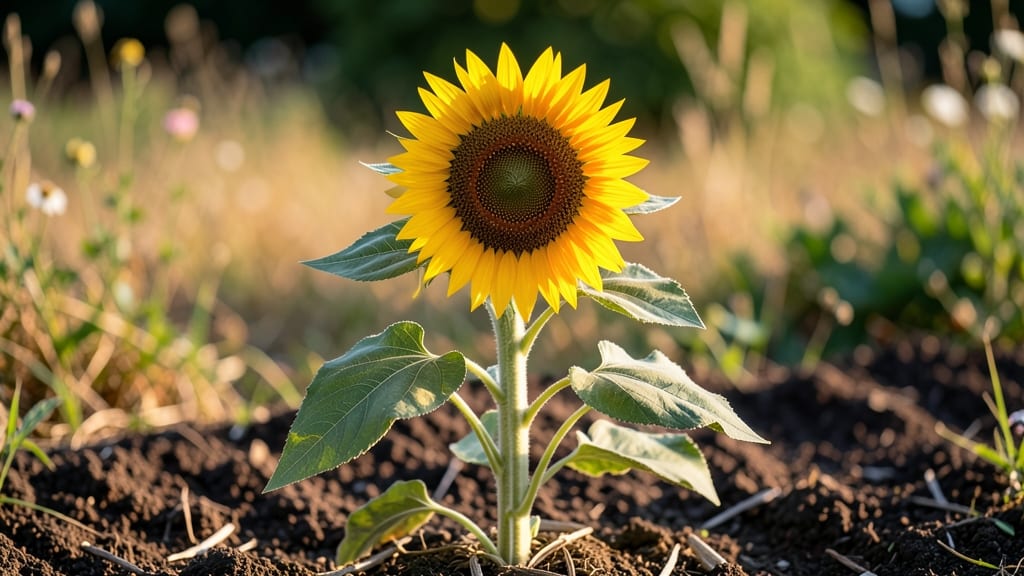
Sunflower seed identification can be shockingly straightforward once you have the right chart to guide you. 🌻 I’ve spent years growing over 20 varieties, and the differences—from giant 12-foot stalks to tiny 3-foot munchkin types—are easier to see than you’d think once you learn the key traits to spot.
The chart breaks down leaf shape, stem thickness, and bloom size for 15 common types, including Mammoth (classic tall giants), Teddy Bear (double-petaled cut flowers), and Sunspot (compact, great for containers). Each variety has distinct features: Mammoth leaves are broad and rough, while Sunspot leaves stay small and smooth.
Once you match seeds to your goals—whether it’s bird feed (black oil sunflowers), cut flowers (Teddy Bear), or space-saving gardens (Sunspot)—you’ll never second-guess your selection again. The chart even notes cold-hardiness, so you’ll know which thrive in short seasons or hot climates.
Print it out and keep it near your seed stash. This isn’t just a reference—it’s your shortcut to growing sunflowers that match your vision, space, and climate. Let’s decode those seeds!
📚 In This Guide
- What you need
- Instructions
- Tips and common mistakes
- Wrapping up and next steps
What you need
- ● Sunflower seed samples: A diverse collection of seeds (5–10 varieties) for comparison—fresh or dried, but not roasted (roasting alters texture/color). Aim for seeds with intact shells.
- ● Magnifying glass (10x–20x magnification): For inspecting fine details like striations, hull texture, or tiny markings. A handheld LED model works best for portability.
- ● Ruler or caliper (measuring up to 2 inches): To record seed dimensions (length, width, thickness) in millimeters. A digital caliper adds precision.
- ● White or light-colored tray (12"x12" minimum): A shallow container to arrange seeds for side-by-side comparison. Avoid glossy surfaces—matte white reduces glare.
- ● Notebook or digital note-taking app: To log observations (e.g., color, shape, size). Include a sketchpad for quick drawings of unique traits.
- ● Reference guide: A printed or digital sunflower seed identification chart (like the one you’re creating!) to cross-check traits.
- ● Soft-bristle brush: A makeup brush or artist’s detail brush (size #2 or #4) to gently remove debris without damaging seeds.
- ● Seed dissection tools: Tweezers (anti-static for delicate hulls) and a scalpel (sterilized) to examine internal seed structures.
- ● Moisture meter: To check seed hydration levels (critical for distinguishing fresh vs. dried varieties).
- ● UV flashlight: Reveals hidden patterns or fluorescence in some seed hulls under blacklight conditions.
- ● Camera with macro lens: For high-resolution photos of seed details (use natural light to avoid color distortion).
- ● Database software: Tools like Excel or Google Sheets to organize data if you’re compiling a large chart.
How to identify sunflower seed varieties using key visual traits
Mastering these visual cues lets you confidently match seeds to plants—and avoid costly mistakes.
🌱 Step 1: Examine Seed Head Shape and Size
Sunflower seed heads vary dramatically in form, and this is your first clue. Giant varieties like 'Mammoth' produce heads 12+ inches wide with tight, uniform petals that form a perfect dome. In contrast, dwarf types like 'Teddy Bear' stay under 6 inches with slightly irregular, rounded edges.
Run your fingers along the petal edges—smooth, even curves indicate a single-row seed type (like 'Russian Giant'), while slightly ruffled petals suggest double-row seeds (common in 'Autumn Beauty'). Measure the diameter with a ruler: anything 8 inches or smaller is likely a dwarf or semi-dwarf variety.
☀️ Step 2: Analyze Petal Color and Pattern
Petal color reveals maturity and variety. Bright yellow petals at full bloom indicate mature, pollinated heads ready for seed harvest, while greenish-yellow petals signal early flowering (still 5-7 days from peak). Look for color zoning: uniform yellow means a single variety, while multi-colored petals (like 'ProCut' with yellow and red) confirm a hybrid type.
Examine the center disc—if it's uniformly brown, the seeds are ripe. If you see green streaks, the head isn't fully mature yet. For black-oil sunflower seeds (common in birdseed mixes), the petals often appear smaller and more irregular than giant varieties.
🌿 Step 3: Check Seed Type and Arrangement
Split open a fully mature seed head to reveal the seeds. Confection sunflowers (like 'Russian Giant') produce large, striped seeds with black-and-white or black-and-gray patterns. In contrast, oil-type sunflowers have smaller, uniformly black seeds arranged in tight rows.
Count the seed rows—most varieties have 1-2 rows, but double-row types (like 'Autumn Beauty') show 3+ rows when viewed from the side. Press a seed between your fingers: oil seeds feel hard and glossy, while confection seeds have a slightly softer, striped texture.
⏰ Step 4: Assess Growth Habit and Stem Characteristics
Observe the plant height—tall varieties like 'American Giant' reach 12-15 feet with thick, woody stems, while dwarf types stay under 3 feet with slender, flexible stems. Check for leaf arrangement: alternate leaves (one per node) indicate oil-type sunflowers, while opposite leaves (pairs at each node) suggest decorative varieties.
Look for branch patterns—single-stemmed plants (like 'Mammoth') produce one main head, while multi-branched types (like 'ProCut') develop secondary heads along the stem. This trait helps distinguish commercial hybrids from heirloom varieties.
🔍 Step 5: Verify Seed Maturity and Harvest Readiness
For confection seeds, wait until the back of the seed head turns yellow and the petals drop completely. The seed cases should feel hard and dry when pressed. For oil seeds, harvest when the center disc turns uniformly brown and the seeds rattle inside the head.
Cut the head from the stem with 2-3 inches of stem attached—this prevents seeds from spilling. Hang heads upside down in a dry, dark place for 1-2 weeks to fully dry. If seeds don't separate easily from the head, they're not fully mature yet.
Tips & tricks for sunflower seed identification
Between us, these visual traits are your secret weapon for telling sunflower varieties apart—no gardening degree required.
Petal Texture Clues: In Step 1, when examining petal edges, pay special attention to the underside of the petals. Giant varieties like 'Mammoth' often have smooth, waxy undersides, while dwarf types like 'Teddy Bear' may show subtle fuzziness along the edges. This subtle trait helps distinguish between commercial hybrids and heirloom varieties when sizes overlap.
Seed Head Symmetry: Look beyond just the diameter in Step 1—perfectly symmetrical heads with no gaps between petals typically indicate single-row confection types (like 'Russian Giant'). Asymmetrical heads with petal overlaps often belong to double-row oil varieties. I've seen this symmetry test catch mislabeled seeds at farmers' markets more times than I can count.
Center Disc Examination: During Step 2, when checking the center disc for maturity, use a magnifying glass if available. The transition from green to brown happens in concentric rings—starting from the outer edges and moving inward. This pattern is particularly noticeable in oil-type sunflowers and helps confirm ripeness before harvesting.
Pro Tips for Sunflower Seed Identification Chart
- Between us, these visual traits are your secret weapon for telling sunflower varieties apart—no gardening degree requ...
- Petal Texture Clues: In Step 1, when examining petal edges, pay special attention to the underside of the petals. Gia...
- Seed Head Symmetry: Look beyond just the diameter in Step 1—perfectly symmetrical heads with no gaps between petals t...
Frequently asked questions
Got questions about sunflower seed identification? You’re not alone! Here are some of the most common queries—plus quick, actionable answers to help you navigate your sunflower varieties like a pro.
How do I tell the difference between edible and bird-friendly sunflower seeds?
Edible sunflower seeds (like Helianthus annuus) have a black-and-white striped shell and a large, creamy kernel. Bird-friendly seeds (e.g., nyjer) are tiny, gray or black, and lack a hard shell. Always check the hull color—if it’s smooth and dark, it’s likely for birds!
When is the best time to harvest sunflower seeds for planting?
Harvest seeds when the back of the seed head turns yellow and the petals droop or fall off. Wait until the seed heads feel dry and papery to the touch (usually 30–45 days after flowering). Cut the heads, dry them in a well-ventilated area, and store in a cool, dark place for up to 2 years.
Can I use sunflower seeds from store-bought sunflower heads for planting?
Not ideal! Store-bought sunflower seeds are often hybridized for size/shape and may not grow true to type. If you’re set on DIY, opt for untreated, organic seeds labeled for planting. Pro tip: Save seeds from open-pollinated varieties (like Mammoth) for better germination.
Why are squirrels eating my sunflower seeds before I can plant them?
Squirrels love sunflower seeds—especially black oil or striped varieties. To outsmart them, harvest seeds early (before they ripen fully) or store them in mesh bags or metal containers. Hang seed heads upside down in a garage or shed to dry safely out of reach!
Are there sunflower varieties that don’t produce seeds?
Yes! Decorative sunflowers (like ‘Lemon Queen’ or ‘Autumn Beauty’) often skip seed production, focusing on bold petals instead. These are perfect for cut flowers but won’t yield seeds. If you need seeds, stick to edible or bird varieties—they’re the seed-producers!
Wrapping up and next steps
Mastering sunflower seed identification opens the door to growing vibrant, thriving plants tailored to your needs—whether for beauty, wildlife support, or harvest. 🌻 With this visual guide, you’ve got the tools to spot key traits like leaf shape, seed size, and growth habits with confidence.
Now’s the time to put your knowledge into action—visit your local nursery, sketch your finds, or even start a seed journal to track varieties over time!
🌱 Your Next Step:
- Test your skills! Grab a handful of seeds and see if you can ID them using the chart.
- Share your discoveries with fellow gardeners—knowledge grows best when shared!