
Lawn
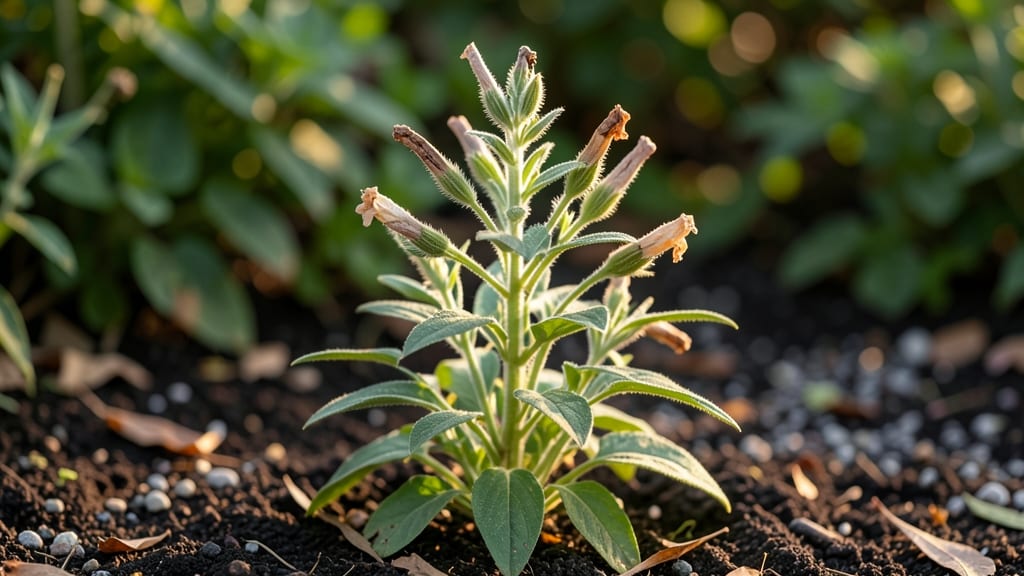
Harvesting snapdragon seed pods is the easiest way to save seeds year after year—no fancy equipment needed. 🌱 The key is timing: pods turn from green to brown when ready, usually 6-8 weeks after flowering.
I learned this the hard way by waiting too long and losing viability, but once you recognize the signs, it becomes second nature.
Grab a pair of scissors or pruners and snip pods just before they split open on their own. Store them in a cool, dry place—paper envelopes work perfectly—until spring planting. The seeds stay viable for 2-3 years if kept dry, so you can stock up for multiple growing seasons.
When sowing, scatter seeds lightly on top of moist soil (they need light to germinate) and keep them warm until sprouts appear. Snapdragons grown from saved seeds often bloom earlier than store-bought varieties, and the colors stay true to the parent plants.
This method works for both annual and perennial snapdragons, though perennials may need slight winter protection. The first time I saved seeds, I ended up with twice as many plants as I could handle—now I intentionally limit my harvest to my favorite varieties.
📚 In This Guide
- What you need
- Instructions
- Tips and common mistakes
- Wrapping up and next steps
What you need
- ● Mature Snapdragon plants – Choose healthy, fully bloomed plants with brown, papery seed pods (usually late summer to early fall).
- ● Pruning shears or sharp scissors – For clean cuts without damaging stems.
- ● Paper grocery bags or breathable mesh sacks – 1–2 bags (per 5–10 plants) to collect pods without crushing them.
- ○ Newspaper or cardboard – 1–2 sheets for drying pods indoors (optional but helpful).
- ● Small paper envelopes or seed packets – 5–10 envelopes (or repurpose tea bags or small Ziploc bags for storage).
- ● Permanent marker – To label pods with the variety name and harvest date.
- ● Glove – Protects hands from prickly stems or dirt.
- ● Fan or dehumidifier – Speeds up drying in humid climates.
- ● Seed catalog or notebook – For tracking germination rates and planting notes.
- ● Desiccant packets – Keeps stored seeds moisture-free in airtight containers.
How to harvest snapdragon seed pods for reliable year-round storage
Here's the method I swear by to collect seeds that stay viable for planting—no guesswork, just consistent results.
🌿 Step 1: Identify Mature Seed Pods
Snapdragon seed pods mature when they turn from green to a tan or light brown color and begin to split open naturally. Look for pods that have dried completely on the plant—these are ready for harvest. I always check plants in the late afternoon when humidity is lower, as morning dew can make pods appear fresher than they are.
Gently squeeze a pod between your fingers—if it feels papery and crumbly, it's ready. If it's still firm or green, wait a few more days. Overripe pods will release seeds prematurely, so timing is everything. Harvest pods before they split open on their own to prevent seed loss.
✂️ Step 2: Harvest and Dry the Pods
Use clean, sharp scissors or pruning shears to snip the pods directly from the stem. Avoid tugging or pulling, which can damage the plant or cause seeds to spill. Place the harvested pods in a single layer on a clean, dry paper towel or mesh screen. This prevents mold and allows air to circulate freely.
Find a warm, dry location with good airflow—a sunny windowsill or a well-ventilated room works perfectly. Avoid direct sunlight, which can overheat the pods and dry them too quickly. Within 5-7 days, the pods should be completely dry and brittle. You'll know they're ready when they crumble easily between your fingers.
🪴 Step 3: Extract and Store the Seeds
Once fully dry, gently crush the pods between your palms or use a small hammer to break them open. Shake the debris into a fine-mesh sieve or strainer to separate the seeds from chaff. I like to do this over a sheet of newspaper for easy cleanup—seeds and debris will fall through while larger plant fragments stay behind.
Transfer the clean seeds to a paper envelope or small glass jar. Label it with the snapdragon variety and the harvest date—this ensures you don’t mix varieties or lose track of freshness. Store the seeds in a cool, dark place like a pantry or seed vault. Under ideal conditions, snapdragon seeds remain viable for 2-3 years, though germination rates drop after the first year.
💧 Step 4: Test Germination Before Next Season
Before planting stored seeds, conduct a simple germination test. Moisten a paper towel, place 10 seeds in the center, and fold it over. Seal the towel in a plastic bag and keep it in a warm (70-75°F) location. Check for sprouts in 7-14 days. If fewer than 50% germinate, consider reordering fresh seeds for better success.
This step saves you from planting dozens of seeds only to discover poor viability. If your test results are strong, you’re ready to start fresh plants next season with confidence. I always plant a few extra seeds during the test—it’s a great way to get a head start on spring!
Tips & tricks for perfect snapdragon seed pod harvesting
These little details make all the difference between seeds that sprout reliably and ones that disappoint.
Timing Secret: The late afternoon check in Step 1 is non-negotiable. Morning dew makes pods appear fresher than they are—wait until late afternoon when humidity drops, and you'll spot the true maturity cues. I've learned this the hard way after harvesting premature pods that crumbled into dust when I tried to extract seeds. That tan-brown color and papery texture? Those are your golden tickets.
Drying Strategy: For Step 2, resist the urge to speed up drying with heat. While the 5-7 day window is ideal, if your kitchen is particularly humid, extend drying to 10 days using a small fan on low setting to maintain airflow. I've seen mold develop when pods sat too long in damp conditions—better safe than sorry. Place a humidity indicator near your drying pods to monitor moisture levels.
Storage Wisdom: When storing your seeds in Step 3, add a small packet of silica gel to your envelope or jar. This absorbs any residual moisture that could reduce viability over time. I've had seeds last nearly 4 years with this trick, though germination does decline after the 2-3 year mark. Labeling with both variety and harvest date is crucial—trust me, you'll forget which snapdragon was which after a year!
Germination Test Hack: During your germination test in Step 4, place your seed towel in a clear plastic bag with a small zip-top opening. This creates a mini greenhouse effect that speeds up germination while still allowing you to check progress daily. I've seen sprouts appear in as little as 5 days with this method, though 7-14 days is still the standard range. The clear bag lets you monitor without disturbing the seeds.
Pro Tips for Snapdragon Seed Pods
- These little details make all the difference between seeds that sprout reliably and ones that disappoint.
- Timing Secret: The late afternoon check in Step 1 is non-negotiable. Morning dew makes pods appear fresher than they ...
- Drying Strategy: For Step 2, resist the urge to speed up drying with heat. While the 5-7 day window is ideal, if your...
Frequently asked questions
Got questions about harvesting and saving snapdragon seed pods? You’re not alone! Here are some of the most common queries—plus straightforward answers to keep your gardening game strong.
How do I know when snapdragon seed pods are ready to harvest?
Snapdragon seed pods are ready when they turn brown and papery—usually 4–6 weeks after flowering. Gently squeeze them; if seeds rattle inside, they’re ripe! Harvest on a dry day to prevent mold. Avoid picking green pods, as seeds won’t germinate.
Can I save snapdragon seeds from store-bought flowers?
Yes, but with a caveat! Store-bought snapdragons may be hybrids (e.g., ‘Black Knight’), meaning seeds won’t grow true to the parent plant. For consistent blooms, save seeds from open-pollinated varieties like ‘Alaska’ or grow from scratch. Pro tip: Label pods to track varieties!
What’s the best way to dry snapdragon seed pods at home?
Spread pods in a single layer on a mesh screen or paper towel in a warm, dry, well-ventilated spot (like a sunny windowsill). Avoid heat sources—high temps can sterilize seeds. Stir pods weekly to prevent mold. Fully dried pods will crinkle when bent.
Why are my snapdragon seed pods splitting open before I can harvest them?
Pods split when overripe or overcrowded. Harvest more frequently during peak bloom, or try paper bags over stems to catch fallen seeds. If humidity’s high, opt for shade-grown pods—they dry slower. Pests like aphids can also stress plants; spray with soapy water if needed.
How should I store snapdragon seeds for next year?
Once pods are dry, remove seeds and store them in a cool (35–40°F), dark, airtight container (like a sealed envelope or jar with silica gel). Label with the date and variety. Seeds stay viable for 2–3 years if kept dry—test germination annually by planting a few!
Wrapping up and next steps
Harvesting snapdragon seed pods is a rewarding way to extend your gardening season and save seeds for future blooms—no stress required! With the right tools, timing, and techniques, you can turn these delicate pods into a sustainable resource for year-round growth.
Whether you’re a seasoned gardener or just starting out, this process is simpler than you think.
Ready to take the next step? Start small—try harvesting a few pods this season, experiment with drying methods, and watch your garden thrive with homegrown snapdragons. Happy gardening! 🌱✨