
Planting
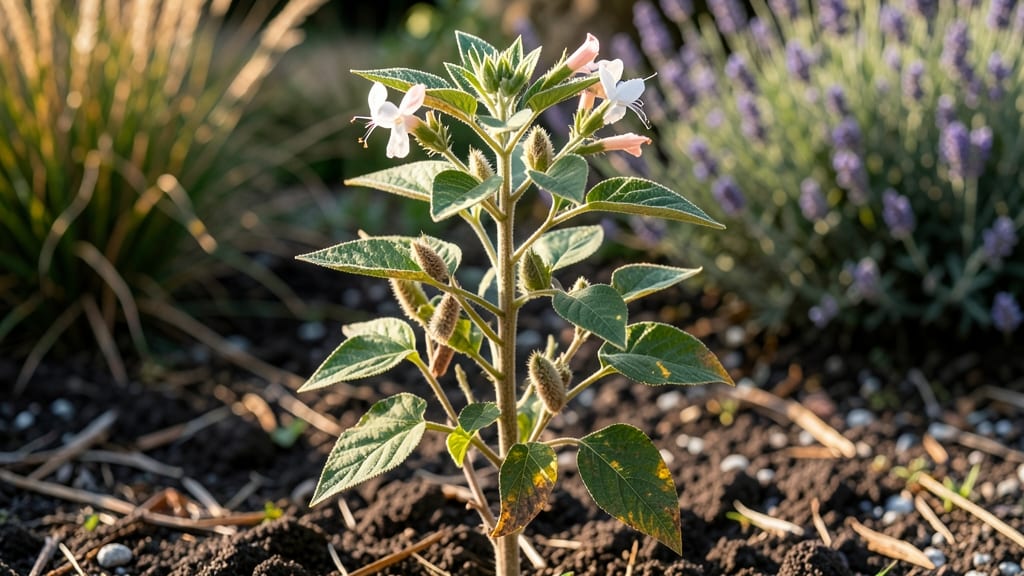
Growing sesame plants from seed is easier than you think—especially when you nail the first 60 days. 🌱 I’ve watched these delicate seedlings transform into sturdy plants that produce those tiny, flavorful seeds we all love, and the secret starts with the right soil, spacing, and patience.
Most gardeners give up too soon, but with the correct approach, you’ll see germination within 10-14 days and a full harvest in just three months.
The key to stress-free sesame cultivation begins with warm soil—at least 70°F—and a sunny spot where they’ll get full sun for 8+ hours daily.
Unlike many crops, sesame plants thrive in well-draining, slightly alkaline soil (pH 6.5-7.5), and they love a loose, airy mix that prevents root rot.
Overcrowding is their enemy, so space seeds 12-18 inches apart in rows 24 inches apart—this gives them room to grow tall without competing for nutrients.
Once planted, keep the soil consistently moist but never soggy, and watch for those first tiny leaves to break through the surface. Sesame plants are surprisingly drought-tolerant once established, but young seedlings need steady watering to avoid wilting.
The real reward comes when they bolt—those tall, branching stems will produce seed pods within 60-70 days, and with proper care, you’ll harvest 1-2 pounds of seeds per plant.
Here’s the best part: sesame plants are low-maintenance once they’re growing. They resist most pests, and their fast growth cycle means fewer weeds have time to take over.
Just keep an eye out for aphids or spider mites, and you’re golden. Ready to give it a try? Let’s get those seeds in the ground!
📚 In This Guide
- What you need
- Instructions
- Tips and common mistakes
- Wrapping up and next steps
What you need
- ● Sesame seeds: 20–50 high-quality, organic sesame seeds (ensure they’re untreated and labeled for planting).
- ● Seed trays or small pots: 2–4 biodegradable or plastic trays (3–4 inches deep) with drainage holes.
- ● Potting mix: 2–3 lbs of well-draining, sterile seed-starting mix (or a blend of 50% coco coir + 50% perlite/vermiculite).
- ● Grow lights or sunny window: A full-spectrum LED grow light (12–16 hrs/day) or a south-facing window with 6+ hours of sunlight.
- ● Spray bottle: For gentle watering (avoid over-saturating seeds).
- ● Plastic wrap or humidity dome: To retain moisture during germination.
- ○ Small hand trowel: For planting seeds (optional but helpful).
- ○ Thermometer (optional): To monitor soil temp (ideal: 70–85°F for germination).
- ○ Fertilizer (optional): A balanced, water-soluble fertilizer (5-5-5 or 10-10-10) for seedlings.
- ● Transplanting tools (later stage): Larger pots (5–6 inches) or garden bed prepared with compost.
- ● Patience & consistency: Sesame seeds germinate in 7–14 days—stay steady! 🌟
Step-by-step instructions for growing sesame plants from seed
Sesame thrives with patience—here’s how to coax those delicate seedlings into strong plants.
🌱 Step 1: Prep Seeds and Soil for Maximum Germination
Sesame seeds have a tough outer shell, so I soak them in warm water for 12 hours before planting. This softens the seed coat and speeds up germination. Use a shallow dish and cover the seeds with water—no need to submerge them completely. After soaking, drain and let them sit for another hour to prevent rot.
Fill your seed trays with light, well-draining potting mix. Sesame hates soggy roots, so avoid heavy garden soil. I like to mix in a bit of perlite or vermiculite to improve aeration. Moisten the soil until it’s damp but not dripping—think of a wrung-out sponge. Press the soil down lightly to create a firm planting surface.
💧 Step 2: Plant Seeds at the Right Depth and Temperature
Sesame seeds are tiny, so I plant them ¼ inch deep—just enough to cover them lightly. Use a toothpick or your finger to make small holes, then place one seed in each. Space them 1 inch apart to avoid overcrowding. Cover the seeds with a fine layer of soil and mist gently with water until the surface looks evenly moist.
Here’s the secret to success: sesame seeds need warmth to germinate. Place the tray in a spot where the soil stays between 75-85°F. A seedling heat mat works wonders if your home runs cooler. Germination takes 7-14 days, but don’t give up if you don’t see sprouts in a week—some seeds take longer.
☀️ Step 3: Provide Bright Light and Prevent Leggy Growth
Once seedlings emerge, move them to a bright, sunny location. A south-facing window or grow light is ideal. Sesame plants are sensitive to light—if they stretch toward the window (a sign of legginess), your light source isn’t strong enough. I keep my seedlings under a full-spectrum LED grow light for 14-16 hours daily, raising it as they grow to maintain 2-3 inches of distance.
Watch for the first true leaves—these are the second set of leaves that appear after the initial cotyledons. When they unfold, your seedlings are ready for a bit more space. Thin them to 4 inches apart if they’re crowded, or transplant them into individual pots if needed. This prevents competition for nutrients and encourages stronger growth.
🪴 Step 4: Harden Off and Transplant for Outdoor Success
After 4-6 weeks, when seedlings have 4-6 true leaves, it’s time to harden them off. Start by placing them outside in a shaded area for 1-2 hours the first day, then gradually increase their time outdoors over 7-10 days. This helps them adjust to wind, sun, and temperature fluctuations without shock.
Choose a sunny spot in your garden with well-draining soil. Sesame plants prefer full sun (6+ hours daily) and struggle in heavy, compacted soil. Plant them 12 inches apart in rows spaced 18 inches apart. Water deeply after transplanting to settle the soil around the roots. Mulch lightly to retain moisture and suppress weeds—sesame plants have shallow roots and dry out quickly.
Tips & tricks for perfect sesame seed germination
These simple strategies will help you turn tiny sesame seeds into thriving plants without the guesswork.
Soaking Secret: The 12-hour warm water soak is non-negotiable for sesame seeds—those tough outer shells need this time to soften. I use a shallow dish with just enough warm water to cover them (about 1 inch deep), then let them sit in a warm spot like on top of the fridge. After draining, that extra hour of air-drying prevents any risk of mold while keeping the seeds primed for germination. Pro tip: If you forget to soak them overnight, don't panic—just extend the soak to 24 hours max, but no longer or they'll start to sprout in the water.
Temperature Matters: Maintaining that 75-85°F soil temperature range during germination is crucial, but here's what nobody tells you: Place your seed tray on top of a refrigerator (not inside) for consistent warmth without overheating. If your home runs cooler, a seedling heat mat set to 80°F will give you that perfect zone. Watch for condensation on the tray lid—this indicates ideal humidity levels. If you see mold developing, increase airflow immediately by lifting the lid slightly.
Light Strategy: Those 14-16 hours of grow light aren't just about duration—the distance matters too. Position your LED grow light 2-3 inches above the seedlings at first, then raise it gradually as they grow. The key is to keep the leaves just touching the light when fully extended. I've learned the hard way that sesame seedlings will stretch painfully toward weak light sources, creating weak stems that can't support the plant's weight. If you notice seedlings leaning toward one side, rotate the tray daily to encourage even growth.
Transplant Timing: The 4-6 week mark for transplanting is ideal, but here's how to know for sure: Count those true leaves—not the initial cotyledons (the first two simple leaves). When you see 4-6 of these more complex leaves, your seedlings are ready. I always check the stem thickness too—it should be about pencil-width at this stage. One mistake I made early on was transplanting too soon; the plants struggled to recover from the shock when they weren't strong enough. If you're in doubt, wait an extra week rather than rushing.
Pro Tips for Seseme Seed Plant
- These simple strategies will help you turn tiny sesame seeds into thriving plants without the guesswork.
- Soaking Secret: The 12-hour warm water soak is non-negotiable for sesame seeds—those tough outer shells need this time to soften.
- If your home runs cooler, a seedling heat mat set to 80°F will give you that perfect zone.
Frequently asked questions
Got questions about growing sesame seed plants?
You’re not alone! Here are some of the most common concerns—and their easy answers—to help you grow these fast, nutritious plants with confidence.
How long does it take for sesame seeds to germinate?
Sesame seeds typically sprout in 5–10 days under ideal conditions (warm soil, 70–85°F, and consistent moisture). If you’re impatient, pre-soaking seeds for 6–12 hours can speed up germination. Just avoid overwatering—soggy soil slows things down!
Can I grow sesame plants indoors?
Yes! Sesame thrives in containers with at least 12–18 inches of depth and full sun (6+ hours daily). Use a lightweight potting mix and keep temperatures warm. If indoors, place near a sunny window or under grow lights. Just remember: they need space to spread—aim for 18+ inches between plants.
What’s the best temperature for sesame seed plants?
Sesame loves warmth—ideal temps are 70–85°F (21–29°C). Below 60°F (15°C), growth slows dramatically. If you’re in a cooler climate, start seeds indoors 4–6 weeks before the last frost or opt for a greenhouse. Heat-loving plants like sesame reward patience with faster, healthier growth!
Why aren’t my sesame plants flowering?
Common culprits:
- Not enough sunlight—sesame needs full sun (6+ hours daily). Move plants to a sunnier spot or supplement with grow lights.
- Cool temps—flowering stalls below 65°F (18°C). Use row covers or a heat mat if needed.
- Overcrowding—thin seedlings to 12–18 inches apart to improve airflow and flowering.
Are there fast-growing sesame seed varieties?
Most sesame varieties mature in 60–90 days, but some early types like ‘Black Sesame’ or ‘White Sesame’ can be ready in as little as 50–60 days with optimal care. For quicker harvests, choose determinate varieties (bush-type) over indeterminate (vining) types. Check seed packets for “days to maturity”!
Wrapping up and next steps
Growing a sesame seed plant from scratch is a rewarding journey that yields both nutritional benefits and a sense of accomplishment! With just 60 days of patience and the right care, you can enjoy fresh sesame seeds—perfect for sprinkling on dishes or crafting homemade oils.
Whether you’re a seasoned gardener or a beginner, this stress-free method proves that big results come from small seeds! 🌱
Ready to take the next step? Start your sesame seeds indoors today, and in no time, you’ll be harvesting your own crop. Happy planting! 🌟