
Lawn
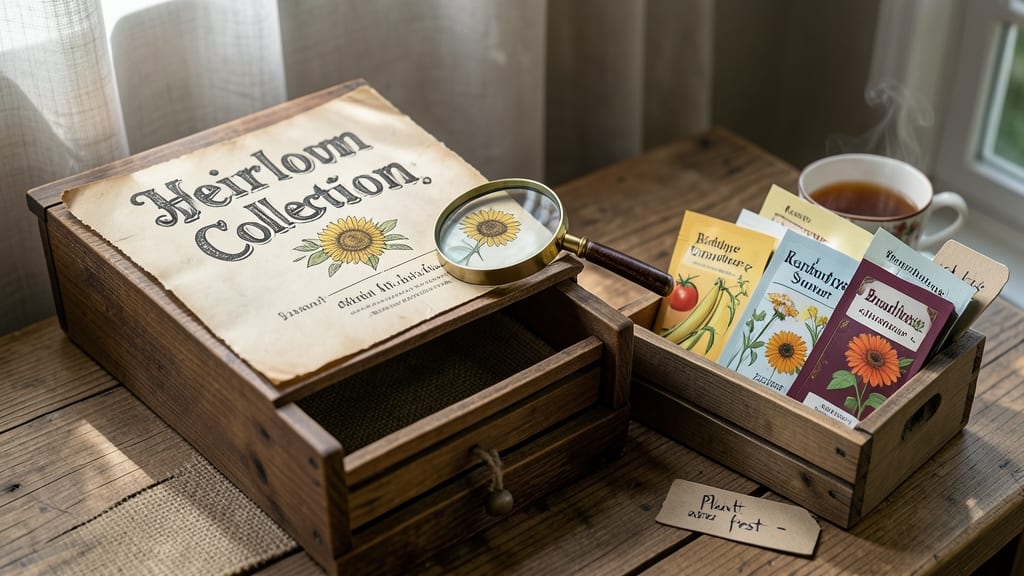
Seed catalogs for 2025 aren’t just wish lists—they’re your garden’s blueprint for next year’s triumphs. 🌱 I’ve spent winters poring over these glossy pages, circling varieties that promise better flavor, disease resistance, or just plain beauty, only to watch my garden transform when those seeds hit the soil.
The right catalog turns abstract dreams into a tangible plan, with planting dates, spacing guides, and even regional growing tips baked right in.
What makes a great seed catalog? Look for detailed variety descriptions that go beyond just "red tomato"—think "heirloom, crack-resistant, 75 days to harvest" or "black beauty kale that thrives in heat."
The best ones include garden design inspiration, too, with color palettes and companion planting suggestions that make your layout look like a magazine spread. And don’t overlook the climate-specific advice—some catalogs even map out frost dates and heat zones, so you’re not guessing when to start seeds indoors.
You’ll walk away with a customized planting schedule that accounts for your local frost dates, a wishlist of varieties tailored to your taste (or pollinators’ needs), and even seed-saving tips for the bold.
Imagine pulling a catalog off the shelf in January, circling your favorites, and knowing exactly when to order, start, and plant—no more last-minute store-bought seedlings that underperform. The magic happens when you treat these catalogs like your garden’s personal advisor, not just a shopping list.
Pro tip: Compare catalogs before committing—some specialize in heirlooms, others in organic varieties or drought-resistant plants. And if you’re new to seed saving, many include beginner-friendly instructions for preserving next year’s best performers.
Start now, and by spring, you’ll be the neighbor everyone envies for their shockingly lush (and homegrown) garden.
📚 In This Guide
- What you need
- Instructions
- Tips and common mistakes
- Wrapping up and next steps
What you need
- ● Seed Catalogs 2025: Digital or printed copies of your chosen catalogs (e.g., Baker Creek, Seed Savers Exchange, or local specialty brands).
- ● Highlighters or Sticky Notes: 2-3 colors to mark favorites and notes (e.g., green for veggies, blue for flowers).
- ● Notebook or Digital Planner: For tracking seed varieties, planting dates, and garden layouts.
- ● Ruler or Measuring Tape: 12-inch ruler for sketching garden plots (precision matters!).
- ● Pencil or Fine-Tip Marker: For labeling seeds and garden beds.
- ○ Garden Journal: Optional but helpful for logging progress, weather notes, and harvest yields.
- ● Internet/Device: For research (e.g., USDA Plant Hardiness Zone Map or local climate data).
- ● Seed Starting Trays: 10-12 cell packs or biodegradable pots for early starts.
- ● Grow Lights or Sunlamps: LED or fluorescent for indoor seedling growth (12-16 hours/day).
- ● Soil Test Kit: To check pH and nutrient levels before planting.
- ● Garden Gloves & Kneeling Pad: For comfort during planning and planting.
- ● Seed Envelopes or Ziploc Bags: For organizing and storing leftover seeds.
- ● Reference Books: Guides like The Seed Garden by J.L. Hudson or Rodale’s Basic Organic Gardening.
How to select and order from seed catalogs for your 2025 garden
Here's how I navigate the latest catalogs to build a garden that thrives all season long.
🌱 Step 1: Identify Your Growing Zone and Climate Needs
First, pull out your 2025 seed catalogs and locate the USDA Plant Hardiness Zone Map—most reputable catalogs include this. Circle your zone (mine's Zone 7a) and highlight varieties labeled for your specific conditions. I always cross-reference with my local frost dates from the USDA website to avoid ordering plants that won't mature before fall frosts.
Look for disease-resistant strains and heat-tolerant varieties if you're in a hotter microclimate. For example, my catalog shows 'Heatmaster' tomatoes thrive in 90°F+ conditions—perfect for my summer. Pay attention to days to maturity listed next to each variety; I aim for 60-70 days for summer crops in my zone to ensure harvests before September's first frost.
☀️ Step 2: Plan for Sun Exposure and Garden Layout
Sketch your garden beds on graph paper, labeling each area by sunlight hours (full sun = 6+ hours, part sun = 3-6 hours, shade = <3 hours). I use colored pencils—yellow for full sun, green for part sun, and blue for shade—to visualize where each plant will thrive. This prevents costly mistakes like planting 'SunGold' cherry tomatoes in my shady north bed.
Most 2025 catalogs now include sun exposure icons next to varieties. I focus on vertical growers like 'Mascotte' pole beans for fence lines and compact varieties like 'Patio' peppers for container spots. Pro tip: Order 1-2 extra packets of your top performers—you'll want more than you think!
🌿 Step 3: Prioritize Varieties Based on Your Goals
Divide your catalog selections into four categories: heirloom, hybrid, organic-certified, and novelty. I allocate 30% of my budget to heirlooms like 'Brandywine' tomatoes (for saving seeds) and 70% to high-yield hybrids like 'Big Beef' tomatoes (for consistent production). Check the catalog's seed-saving policies—some hybrids produce sterile seeds, while others (like 'Early Girl') can be saved.
For 2025, I'm eyeing new disease-resistant cucumbers (like 'Straight Eight') and peppers with built-in pest resistance. Most catalogs now list organic farming suitability, so I flag those for my no-spray beds. Don't forget to compare prices per ounce—some bulk discounts save 20-30% on larger packets.
⏰ Step 4: Place Orders Early and Track Deadlines
Set a reminder for January 15th—that's when most top catalogs (like Baker Creek, Burpee, and Johnny's Selected Seeds) release their early-bird discounts. I order 50% of my seeds by February 1st to secure rare varieties, then reorder fill-ins in March. Always check the catalog's shipping deadlines—some guarantee April 15th delivery, while others ship until May 1st. I mark my calendar for March 1st to order any remaining seeds.
Protect your investment by ordering from multiple catalogs—this year, I'm splitting my tomato varieties between Park Seed (for early varieties) and High Mowing Organic (for certified organic seeds). Use the catalog's planting charts to stagger orders: Order cool-season crops (lettuce, peas) in January and warm-season crops (tomatoes, peppers) in March.
🪴 Step 5: Organize and Store Seeds for Optimal Germination
Once your seeds arrive, label each packet with the variety name, purchase year, and germination date (usually 2-3 years from packaging). I store seeds in airtight containers with silica gel packets in a cool, dark pantry—this preserves viability. For 2025, I'm testing seed vaults (like Seed to Seed) to keep my collection organized by plant family (e.g., Solanaceae for tomatoes/peppers, Brassicaceae for broccoli/kale).
Before planting, test germination rates by planting a few seeds in paper towels with lukewarm water for 3-5 days. If <80% germinate, order replacements or check storage conditions. I've found that 'Black Krim' tomatoes from 2023 still germinate at 95%, but 'Cherokee Purple' dropped to 60%—a clear sign to reorder.
Tips & tricks for navigating 2025 seed catalogs
These insider strategies will help you make the most of your 2025 seed selections—and avoid common pitfalls that waste money and time.
Zone-Specific Selection: Beyond just matching your USDA zone, dig deeper into the catalog's microclimate notes. For example, if your area experiences sudden heat spikes (like my Zone 7a), prioritize varieties labeled "heat-tolerant" or "drought-resistant." I've found that 'Heatmaster' tomatoes and 'Carolina Gold' sweet potatoes perform exceptionally well in these conditions, even when other varieties struggle. The catalog's "days to maturity" metric is your best friend—aim for varieties that mature 10-14 days before your first frost date to guarantee harvests.
Sunlight Strategy: When planning your garden layout in Step 2, consider creating "sun zones" by observing your yard throughout the day. Use a smartphone app like Sun Surveyor to track sunlight patterns for a full week before finalizing your layout. This helps you identify areas that might get more sun than you initially thought—perfect for moving sun-loving varieties like 'SunGold' cherry tomatoes from shaded spots to their ideal locations. The colored pencil method from the instructions works, but I've added a digital backup to catch any surprises.
Budget Allocation: The 30/70 split between heirlooms and hybrids is a great starting point, but I've refined this based on my experience. For 2025, I'm allocating 40% to hybrids for consistent production and 30% to heirlooms for seed saving, leaving 30% for organic-certified varieties. This balance gives me reliable yields while still maintaining genetic diversity. When comparing prices per ounce, remember that larger packets often contain more seeds per ounce than smaller ones—sometimes saving 20-30% without sacrificing quantity.
Order Timeline: The January 15th early-bird reminder is crucial, but don't forget to set a secondary reminder for when catalogs release their "last chance" discounts in late February. I've learned that ordering 50% by February 1st gives me time to adjust if any varieties sell out. For the remaining 50%, I wait until mid-March when more catalogs have released their full selections. This staggered approach ensures I get the varieties I want without paying premium prices for last-minute orders.
Pro Tips for Seed Catalogs 2025
- These insider strategies will help you make the most of your 2025 seed selections—and avoid common pitfalls that wast...
- Zone-Specific Selection: Beyond just matching your USDA zone, dig deeper into the catalog's microclimate notes. For e...
- Sunlight Strategy: When planning your garden layout in Step 2, consider creating "sun zones" by observing your yard t...
Frequently asked questions
Got questions about seed catalogs for 2025?
Here are answers to the most common ones—so you can plan your garden with confidence!
What’s the best time to order seeds from 2025 catalogs?
Most seed companies release their 2025 catalogs in late summer or early fall (August–October), giving you time to plan before winter. Early orders often secure the best variety selection, especially for heirloom or rare seeds. Check your catalog’s “order deadline”—some offer discounts for bulk purchases!
Can I still order seeds if I miss the early-bird deadline?
While popular varieties may sell out, most catalogs accept orders year-round. Pro tip: Bookmark your favorites and set reminders—some companies release limited-edition seeds (like drought-resistant or climate-adapted varieties) in spring or early summer for the next growing season.
Are seed catalogs more expensive than buying seeds online or at stores?
Not always! Catalogs often offer lower per-seed costs for bulk orders (e.g., 1 lb vs. 1 oz packets) and include exclusive varieties you won’t find elsewhere. Stores may have higher markups, while online retailers like Amazon or Etsy can vary widely. Compare prices per seed—sometimes catalogs win for quantity and quality!
How do I know if a seed variety is right for my climate in 2025?
Look for USDA Hardiness Zone labels and “climate-adapted” tags in catalogs. Many 2025 offerings highlight heat-tolerant, drought-resistant, or early-maturing seeds—ideal for shifting weather patterns. Need help? Use the catalog’s “garden planner” tools or contact their seed experts for regional advice.
What if my seed order arrives late or gets damaged?
Reputable catalogs include guarantees for late shipments or defective seeds. Most offer replacements or refunds if seeds arrive non-viable (e.g., moldy or shriveled). Save packaging and photos as proof, and check the catalog’s “returns policy” before ordering. Pro tip: Order early to avoid holiday delays!
Are there eco-friendly or organic seed options in 2025 catalogs?
Yes! Many catalogs now feature organic-certified, non-GMO, and heirloom seeds, often labeled clearly. Look for keywords like “sustainably grown,” “open-pollinated,” or “seed-to-seed” programs. Some even partner with conservation groups to preserve biodiversity—great for pollinator-friendly gardens!
Wrapping up and next steps
As we look ahead to seed catalogs 2025, the possibilities for your garden are brighter—and more diverse—than ever! From drought-resistant heirlooms to cutting-edge hybrids, these exclusive varieties promise to transform your outdoor space into a thriving oasis.
Whether you're a seasoned gardener or just starting, now is the perfect time to dream big and plan your green escape.
Ready to take the next step? Browse the latest catalogs, mark your must-have seeds, and start sketching your garden layout today. Your future harvest—and the joy of growing it—awaits! 🌱✨