
Planting
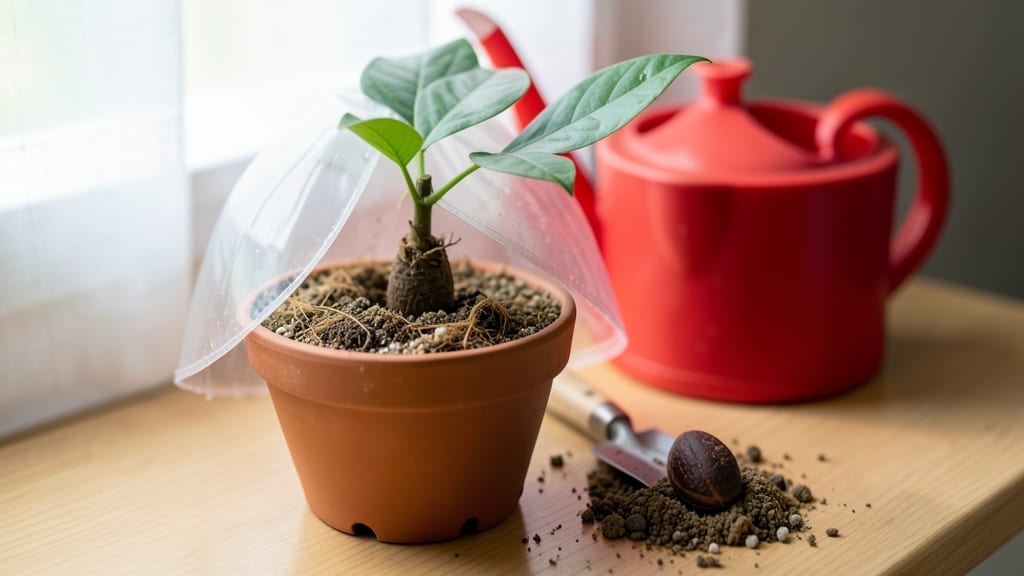
Planting a mango seed in a pot starts with patience—this isn't a quick harvest, but the journey is rewarding. 🌱 The seed inside your favorite mango holds potential for a tropical tree, though it may take 3-5 years before you see fruit.
I’ve grown three from seed, and each one taught me something new about tropical plant care.
You’ll need a 6-inch pot with drainage, a mix of 50% potting soil and 50% perlite, and a warm spot with bright, indirect light. The seed itself needs to stay moist but not soggy—think of it like a tiny rainforest ecosystem.
Most people rush the germination process, but slow and steady wins the race here.
Once sprouted, your seedling will grow 2-3 inches in its first month, developing those iconic mango leaves. Keep the soil consistently damp and rotate the pot weekly for even growth. The first real challenge comes when mold appears—simply reduce watering and improve airflow to keep it thriving.
This method works year-round indoors, but if you live in a warm climate, you can eventually transplant it outside. The key is consistency: tropical plants like mangoes thrive on routine.
By year three, you’ll be pinching back new growth to encourage a sturdy trunk—trust the process, and you’ll have a tree that could bear fruit for decades.
📚 In This Guide
- What you need
- Instructions
- Tips and common mistakes
- Wrapping up and next steps
What you need
- ● Mango seed: 1 fresh, plump seed (preferably from a ripe, organic mango for best results).
- ● Small pot or container: 1 (4–6 inches in diameter) with drainage holes. Tip: Plastic cups with holes poked in the bottom work too!
- ● Well-draining potting mix: 1 bag (look for a blend labeled "seed starting mix" or "cactus/succulent mix" for aeration).
- ● Watering can or spray bottle: 1 (for gentle hydration—avoid oversaturating!).
- ● Plastic wrap or humidity dome: 1 sheet (to create a mini greenhouse effect).
- ● Sunlight access: A warm, bright spot (south-facing window or grow light).
- ● Heat mat: 1 (to keep soil warm, especially if your home is chilly).
- ● Fertilizer: A balanced liquid fertilizer (like 10-10-10) for when sprouts appear.
- ● Larger pot: 1 (6–8 inches) for transplanting once the seedling grows.
- ● Mulch or pebbles: For decorative drainage at the pot’s base.
Step-by-step instructions for planting mango seeds in pots
Here’s how to coax a mango seed into life—with patience and the right tropical conditions.
🌱 Step 1: Select and Prepare the Seed
Start with a fresh, plump mango seed—avoid dried or cracked ones. Rinse it gently under warm water to remove any fruit residue, then pat dry with a paper towel. The seed’s outer shell is tough, so I like to soak it in warm water for 24 hours to soften it slightly. This helps break dormancy and speeds up germination.
After soaking, check for any soft spots or mold—discard the seed if you see either. A healthy seed will feel firm and smooth. Place it in a small container with 1-2 inches of water, leaving the pointed end (the radicle) submerged. Change the water daily to prevent bacterial growth. You’ll know it’s ready when tiny white roots emerge from the bottom—usually within 3-7 days.
🪴 Step 2: Choose the Right Container and Soil
Mango seeds need a well-draining, airy mix to prevent rot. Use a 4-6 inch pot with drainage holes—terra cotta works best because it breathes and helps regulate moisture. Fill the bottom 1 inch with a layer of perlite or coarse sand to improve drainage, then add a mix of 50% potting soil and 50% coconut coir or peat moss. This keeps the soil light and mimics the tropical conditions mangoes love.
Plant the seed halfway into the soil, with the pointed end facing down. Press gently around the base to secure it, but don’t compact the soil too tightly. Water lightly until the top ½ inch of soil feels damp, but not soggy. Overwatering at this stage is the fastest way to kill your seedling—mango roots are delicate and rot easily.
☀️ Step 3: Provide Warmth and Humidity
Mango seeds thrive in warmth, so place your pot in a location with consistent temperatures between 75-85°F. A sunny windowsill or under a grow light works well, but avoid cold drafts or sudden temperature swings. Cover the pot with a clear plastic bag or humidity dome to retain moisture and create a mini greenhouse effect. This helps the seedling establish itself without drying out.
Check the soil daily—mist lightly if the top ¼ inch feels dry. Remove the plastic cover once the first true leaves appear (not the initial seed leaves), usually within 2-4 weeks. At this stage, your seedling is vulnerable to damping-off, so avoid overcrowding and ensure good airflow. If you notice yellowing leaves or mold, reduce humidity immediately and let the soil dry slightly between waterings.
🌿 Step 4: Transition to Stronger Growth Conditions
Once your seedling reaches 4-6 inches tall and develops 4-5 true leaves, it’s time to upgrade its home. Repot into a larger container (8-10 inches) with fresh well-draining potting mix. Mangoes love nutrients, so I add a slow-release fertilizer or a light dose of balanced liquid fertilizer (10-10-10) when repotting. Water thoroughly after transplanting to help the roots settle.
Move the pot to a bright, indirect light spot—mangoes need 6-8 hours of sunlight daily but can scorch in direct midday heat. Rotate the pot weekly so the plant grows straight. You’ll see new growth within 2-3 weeks if conditions are right. If the leaves turn yellow or drop, it’s a sign of overwatering or nutrient deficiency—adjust your care routine accordingly.
⏰ Step 5: Long-Term Care for Tropical Growth
Mango seedlings grow slowly at first, but with patience, they’ll reward you with tropical foliage and eventually—if you’re lucky—flowers and fruit. Keep the soil evenly moist but never waterlogged, and fertilize every 4-6 weeks during the growing season (spring and summer). In winter, reduce watering and fertilization as growth slows.
Here’s the thing—most mango seeds grown from seed won’t produce fruit for 5-10 years, and even then, it may not be true to the parent plant’s variety. But the journey is half the fun! Prune leggy growth to encourage bushier development, and watch for pests like spider mites. A neem oil spray keeps them at bay naturally. With time, your seedling could become a stunning houseplant—or even a fruiting tree if you’re in a warm climate.
Tips & tricks for perfect tropical mango seed germination
Between us, these little tricks make all the difference when you're trying to coax life from a mango pit—especially when you're working with such delicate tropical conditions.
Seed Selection: Don't just grab any mango pit! The freshest, plumpest seeds with no cracks or soft spots are your best bet. I've learned this the hard way—once I used a seed that had been sitting in my fruit bowl for weeks, and it never sprouted. Look for seeds that feel heavy for their size and have a smooth, unblemished shell. If you're unsure, tap two seeds together—if one sounds hollow, it's not viable. This simple test saves you weeks of waiting for nothing.
Germination Environment: The 24-hour soak is non-negotiable for breaking dormancy, but here's what nobody tells you about the water container: Use a clear glass jar so you can monitor root development without disturbing the seed. Keep the water temperature consistently warm (around 75-80°F) by placing the jar near a sunny window or on a seedling heat mat. I've found that changing the water every 12 hours prevents bacterial growth better than daily changes—just be careful not to jostle the seed when pouring. The roots are fragile at this stage!
Soil Mix Secrets: While the 50/50 potting soil to coconut coir mix works well, I've had better success with a slightly more porous blend: 40% potting soil, 30% perlite, and 30% orchid bark. This extra airiness prevents the classic mango seedling issue of "damping-off" (that sad, moldy collapse). When planting halfway into the soil, make sure the radicle (the little white root) stays submerged—this is where the seedling will draw its first nutrients. A gentle squeeze around the base helps stabilize it without compacting the soil.
Lighting Strategy: That 6-8 hours of sunlight is crucial, but here's the catch: direct midday sun can scorch young leaves. I've found the sweet spot is placing the pot near an east-facing window where it gets morning sun and gentle afternoon light. If you're using grow lights, keep them 6-12 inches above the plant and use a timer for 12 hours of light per day—mango seedlings need this consistency to prevent leggy growth. Watch for leaves that look pale or stretched—they're begging for more light!
Pro Tips for Plant Mango Seed In Pot
- Between us, these little tricks make all the difference when you're trying to coax life from a mango pit—especially when you're working with such delicate tropical conditions.
- Seed Selection: Don't just grab any mango pit!
- Keep the water temperature consistently warm (around 75-80°F) by placing the jar near a sunny window or on a seedling heat mat.
Frequently asked questions
Got questions about growing a mango tree from seed in a pot? You’re not alone! Here are some of the most common queries—and their straightforward answers—to help you succeed.
How long does it take for a mango seed to germinate?
A mango seed typically takes 2 to 4 weeks to germinate, depending on warmth and moisture. Keep the soil consistently damp (not soggy) and place the pot in a warm spot (70–85°F). Patience is key—some seeds may take up to 6 weeks! If nothing sprouts after a month, check for rot or adjust humidity.
Do I need to soak the mango seed before planting?
Soaking isn’t required, but it can speed up germination by softening the hard shell. Soak the seed in warm water for 24–48 hours, changing the water daily. After soaking, plant it immediately—don’t let it dry out. Pro tip: Use a toothpick to poke a tiny hole in the seed if it’s extra tough!
Can I grow a mango tree indoors in a pot long-term?
While possible, mango trees thrive outdoors in tropical climates. Indoors, they’ll grow slowly and may stay small (3–6 feet tall). If you keep it in a pot, use a large container (10+ gallons) with drainage, provide bright light (south-facing window or grow lights), and repot every 2–3 years. Expect fruiting in 5–10 years—or never!
Why did my mango seed sprout but then die?
Common culprits include overwatering (root rot), poor drainage, or cold drafts. Ensure the pot has drainage holes, use well-draining soil, and keep the seedling in a warm, humid environment. If the sprout wilts, gently check the roots—if mushy, repot in fresh soil. Yellow leaves? It might need more light!
What’s the best soil mix for a potted mango seedling?
Use a light, airy mix like 50% potting soil + 30% perlite + 20% coconut coir. Avoid heavy garden soil—it retains too much moisture. Add a slow-release fertilizer (like 5-5-5) at planting time, but avoid over-fertilizing until the seedling is 6+ inches tall. Mulch the top with orchid bark to retain moisture!
How do I protect my potted mango from cold weather?
Mango trees hate cold—temperatures below 40°F can kill them. Move the pot indoors near a sunny window or use a grow light. If outdoors, wrap the pot in bubble wrap or use a frost cloth. Never let soil freeze—water lightly before bringing it inside to prevent shock.
Wrapping up and next steps
Growing a mango tree from seed in a pot is a rewarding journey that connects you to nature’s tropical magic! 🌱 With patience, the right tools, and a little care, you’ll soon watch your tiny seedling sprout into a lush, leafy plant—even if it takes years to bear fruit. Celebrate every small step, like those first green shoots breaking through the soil, and don’t forget to share your progress with fellow plant enthusiasts for extra motivation.
Now that you’re armed with the secrets to success, why not expand your green thumb? Try experimenting with other tropical seeds, like avocado or citrus, or research how to transition your mango sapling outdoors once it’s ready. Happy planting! 🌴✨