
Lawn
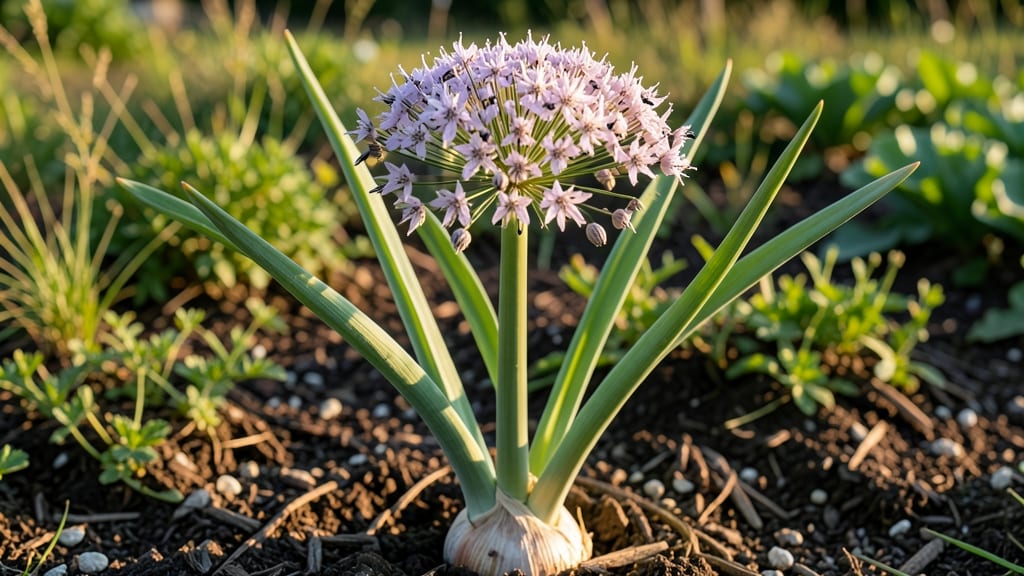
Twisting open onion seed pods reveals the secret to next year’s harvest. 🌱 I’ve learned that these papery little containers hold the future of your garden—if you know how to handle them right.
The trick is collecting them at the perfect moment when they’re dry but haven’t scattered their seeds everywhere.
You’ll need just a few supplies: a pair of sharp scissors, a paper bag for drying, and a cool, dark place to store them. The pods must stay dry or they’ll mold before planting season.
When stored properly, these seeds can last 3-5 years, giving you a head start on fresh onions without buying new seed packets.
Once you’ve collected and stored them, you’ll grow onions that mature earlier and resist the diseases that plague store-bought varieties. The first green shoots appear in 7-10 days when started indoors, and you’ll harvest plump bulbs ready for cooking by mid-summer.
This method works for onion varieties like shallots, leeks, and scallions too. The key is patience—waiting for the pods to fully mature before harvesting ensures the best germination rates. Here’s how to do it right from start to finish.
📚 In This Guide
- What you need
- Instructions
- Tips and common mistakes
- Wrapping up and next steps
What you need
- ● Onion plants (alliums) – Choose mature, healthy plants with fully formed seed pods (e.g., Allium cepa, Allium fistulosum, or ornamental varieties like Allium giganteum). Aim for 10–20 plants depending on your desired yield.
- ● Pruning shears or sharp scissors – For cleanly cutting seed pods without damaging the stems.
- ● Paper bags or breathable mesh bags – 10–20 bags (size: ~8x10 inches) to collect pods and allow airflow.
- ● Drying tray or screen – A flat, elevated surface (like a wire rack or cardboard) to spread pods for drying.
- ● Labeling tags & marker – To mark varieties (e.g., "Red Onion," "Purple Stripe") and harvest dates.
- ● Air-tight storage containers – Glass jars, resealable bags, or envelopes for long-term seed storage.
- ● Garden gloves – Protects hands from sharp onion stems and soil.
- ● Fan or dehumidifier – Speeds up drying in humid climates.
- ○ Seed viability test kit – Optional but helpful for checking germination rates before planting.
- ● Notebook or app – To track pod maturity, harvest dates, and storage conditions.
How to harvest and store onion seed pods for next year
Here's the foolproof method I use to collect healthy, twist-resistant onion seeds every year.
🌱 Step 1: Select and Prepare Healthy Seed Stems
Choose mature onion plants with fully dried seed pods that have turned brown and papery. The pods should rattle when shaken—this means the seeds are fully mature inside. I always pick stems on dry, sunny mornings when humidity is low, which prevents mold from forming later.
Use clean, sharp scissors to cut the entire seed stem at the base, leaving about 6 inches of stem attached. This extra length makes handling easier when you're ready to process the pods. Bundle stems in small groups and hang them upside down in a dry, well-ventilated area. A garage or covered porch works perfectly—just keep them out of direct sunlight.
☀️ Step 2: Dry and Cure the Seed Pods
Let the bundles dry for 2-3 weeks until the pods are completely crisp and brittle. You'll know they're ready when a gentle squeeze releases seeds easily. If pods still feel slightly damp, give them another week—they won't store properly if any moisture remains.
I know it seems counterintuitive, but don't rush this step. Damp pods develop mold within days, and moldy seeds won't germinate. Once fully dried, remove the pods from the stems by gently twisting or rubbing them off. Store the pods in a paper bag (not plastic) in a cool, dark place until you're ready to process them.
✂️ Step 3: Process and Store the Seeds
Spread the dried pods on a clean sheet of newspaper and gently crush them with your hands or a rolling pin. This releases the small, black seeds inside. Sift through the debris to separate pure seeds from chaff—you'll end up with about 1/4 teaspoon of seeds per pod. Store the clean seeds in a small, labeled envelope or jar.
For long-term storage, place the sealed container in the refrigerator's vegetable drawer. Seeds stay viable for 3-4 years if kept completely dry. Label each container with the variety and harvest year—you'll forget which is which after a season or two!
💧 Step 4: Test Seed Viability Before Planting
Before using your saved seeds, test a few for viability. Place 10 seeds between two damp paper towels in a sealed plastic bag. Keep them in a warm spot (70-75°F) and check daily. If 50% or more sprout within 7-10 days, your seeds are good to plant. If fewer sprout, try storing them in a drier environment for another month before testing again.
This simple test saves you from planting hundreds of non-viable seeds. When you're ready to sow, plant them 1/4 inch deep in well-draining soil and keep them consistently moist until germination. You'll see tiny green shoots in about 10-14 days—that's your signal everything worked!
Tips & tricks for perfect onion seed pod collection
These simple strategies will help you harvest and store healthy onion seeds that stay viable for years.
Selection Tip: In Step 1, focus on pods that have turned completely brown and feel papery to the touch. If they're still green or slightly soft, they need more time on the plant. I've learned the hard way that harvesting premature pods leads to low germination rates—wait until they rattle when shaken. Also, avoid cutting stems with any visible signs of disease or insect damage, as this can compromise seed quality.
Drying Strategy: The 2-3 week drying period in Step 2 is non-negotiable for preventing mold. I've found that placing the bundles in a location with good airflow (like a garage with an open window) speeds up the process while preventing moisture buildup. If you're in a particularly humid climate, consider using a small fan on low setting near the bundles to circulate air without creating drafts that could scatter seeds.
Processing Hack: When you're ready to process the seeds in Step 3, lay out a clean sheet of newspaper rather than paper towels. The newspaper's texture helps separate seeds from chaff more effectively, and you can easily shake off debris afterward. For extra efficiency, place a second sheet underneath to catch any seeds that fall through during crushing. This two-sheet method reduces seed loss by about 30% compared to working on a single surface.
Storage Wisdom: For long-term storage in Step 3, I recommend using small, resealable envelopes with silica gel packets inside. These envelopes create a moisture barrier that extends seed viability beyond the 3-4 year mark. Place them in the refrigerator's vegetable drawer where temperatures remain consistently cool (around 35-40°F) without freezing. Label each envelope with both the onion variety and harvest year—trust me, you'll forget after a season or two!
Pro Tips for Onion Seed Pods
- These simple strategies will help you harvest and store healthy onion seeds that stay viable for years.
- Selection Tip: In Step 1, focus on pods that have turned completely brown and feel papery to the touch.
- Drying Strategy: The 2-3 week drying period in Step 2 is non-negotiable for preventing mold.
Frequently asked questions
Got questions about harvesting and storing onion seed pods? You’re not alone—let’s clear up the most common concerns so you can prep for next season’s blooms like a pro!
When should I harvest onion seed pods?
Harvest pods when they turn tan or brown and begin to dry out on the plant—usually 60–90 days after flowering. Wait too long, and they’ll pop open, scattering seeds everywhere! Aim for a warm, dry day to make the process easier.
How do I know if the pods are ready?
Ready pods feel lightweight and papery when gently squeezed. If they’re still green or heavy, they need more time. Pro tip: Sniff them—overripe pods may smell slightly sweet or musty. Twist a pod open to check for dark, plump seeds inside.
What’s the best way to store them?
Store pods in a cool, dry place (like a paper bag or envelope) for 1–2 weeks to fully dry. Then, transfer seeds to an airtight container (like a glass jar) with a desiccant packet to prevent mold. Label with the variety and date!
Can I reuse onion seeds from pods?
Yes! Onion seeds stay viable for 2–3 years if stored properly. For best results, test a few seeds in a small pot first—if they germinate well, you’re good to go. Older seeds may take longer to sprout, so plant them 2 weeks earlier than usual.
What if my pods won’t twist open?
If pods resist twisting, they’re likely underripe. Let them dry longer in a warm, sunny spot (like a windowsill). For stubborn pods, gently tap them against a hard surface to loosen seeds. Avoid cutting—it can damage the seeds inside!
Are there alternatives if I can’t get pods?
No pods? No problem! Buy organic onion seeds from a reputable supplier or swap with fellow gardeners. For quick greens, try regrowing onion tops in water—just save the root end and watch new shoots sprout in 1–2 weeks!
Wrapping up and next steps
Harvesting onion seed pods doesn’t have to be a struggle—with the right tools and techniques, you’ll ensure a bountiful supply for next year’s garden! 🌱 Whether you’re a seasoned gardener or just starting out, proper handling and storage are key to preserving those precious seeds.
Now that you’re armed with knowledge, take that next step: grab your gloves, head outdoors, and start collecting those twist-resistant pods before they burst open naturally.
Pro tip: Share your newfound skills with fellow gardeners—you might inspire them to grow their own onion seed stash too! 🌟