
Lawn
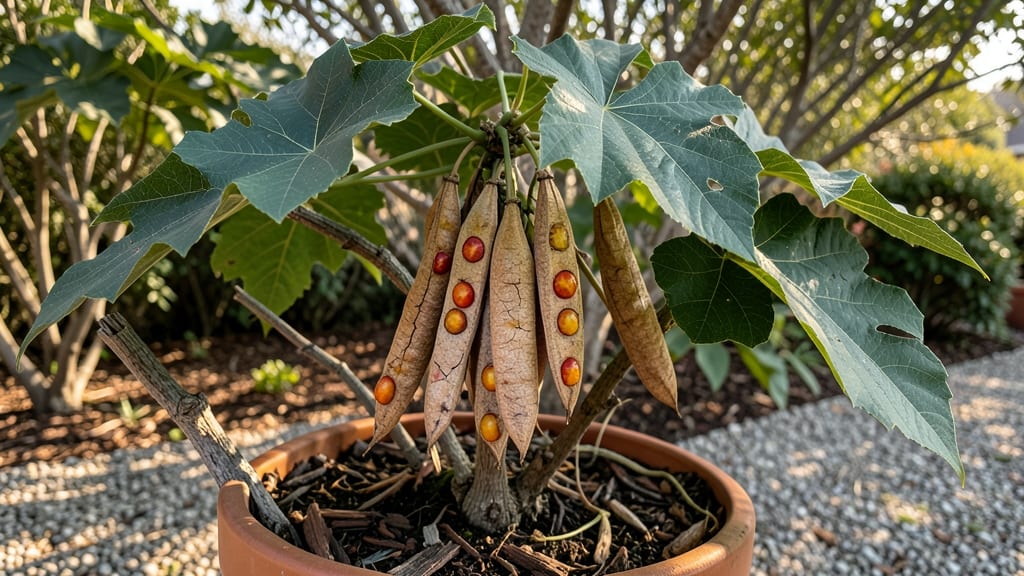
Those papery, twist-resistant passion vine seed pods are nature’s way of storing the next generation of vines—if you know how to crack their secret. 🌱 I’ve collected hundreds of these pods over the years, and the key to successful saving lies in timing, patience, and a few simple tools you likely already own.
The pods turn from green to brown when ripe, but they won’t open on their own—you’ll need to twist them gently until they split. Once you’ve extracted the seeds, drying them properly prevents mold and ensures high germination rates.
I’ve learned the hard way that rushing this step leads to wasted seeds, so let’s do it right the first time.
By the end of this process, you’ll have a stash of seeds ready to plant, with germination rates as high as 80% if you follow the drying and storage tips. The best part?
These vines thrive in warm climates and can climb trellises or fences, adding lush greenery to your garden with minimal effort. Works for both indoor starts and outdoor plantings, and the seeds stay viable for 2-3 years if stored correctly. Let’s get those pods cracked open!
📚 In This Guide
- What you need
- Instructions
- Tips and common mistakes
- Wrapping up and next steps
What you need
- ● Passion vine seed pods: Freshly fallen or hand-harvested pods (aim for 50–100 pods for a small batch, or 200+ for larger projects). Choose ripe, fully dried pods (they’ll split open easily!).
- ● Pruning shears or gloves: For safe harvesting (passion vines can have thorns!).
- ● Newspaper or parchment paper: 2–3 sheets for drying (avoid plastic—it traps moisture!).
- ● Baking sheet or tray: Flat and sturdy (preferably 12x17 inches or larger).
- ● Paper towels or cloth: For gentle cleaning (avoid water if pods are still damp!).
- ● Small mesh bags or breathable containers: For storage (e.g., organza bags, fabric pouches, or paper envelopes).
- ● Labeling supplies: Masking tape + marker (to note harvest date or seed type).
- ● Desiccant packets: Silica gel or dried rice to speed up drying in humid climates.
- ● Seed-saving envelopes: Pre-made kraft paper envelopes with seed labels.
- ● Food processor or mortar & pestle: For crushing seeds (if repurposing for crafts or compost).
- ● Spray bottle with water: For light misting if pods are too dry (use sparingly!).
- ● Notebook or app: To track seed viability (e.g., Passion Vine Seed Tracker).
How to harvest and save passion vine seed pods without the twist struggle
No more frustrated fingers or lost seeds—here's the foolproof way to collect passion vine pods every season.
🌱 Step 1: Identify and Select Ripe Seed Pods
Wait until the pods turn a deep brown color and feel slightly soft when gently squeezed—this means they're fully mature and ready for harvesting. I always check pods in the morning after any overnight dew has dried, as the skins are easier to handle. Avoid green or still-firm pods, as they won't contain viable seeds.
Look for pods that have naturally opened slightly at the top, which makes removing the seeds much easier. If you see any signs of mold or insect damage, skip those pods completely. I like to harvest pods when they're still hanging on the vine, as this prevents them from splitting open on the ground and scattering seeds everywhere.
✂️ Step 2: Gently Remove Pods From the Vine
Use clean, sharp pruning shears to snip the pods from the vine, leaving about an inch of stem attached. This prevents the vine from bleeding sap and makes the pods easier to handle. I always sterilize my shears with rubbing alcohol between cuts to prevent any disease transfer.
Place the freshly cut pods in a paper bag or cardboard box lined with newspaper. The paper helps absorb any moisture that might come from the pods, keeping everything dry. Never store them in plastic bags, as trapped moisture can cause mold to grow quickly.
💧 Step 3: Dry the Pods Completely Before Opening
Spread the pods out on a clean, dry surface in a well-ventilated area away from direct sunlight. I like to use a baking sheet lined with parchment paper, as it allows air to circulate underneath. This step is crucial—proper drying prevents mold and makes the seeds easier to extract later.
Check the pods daily and turn them over to ensure even drying. They're ready when the outer skin feels completely dry and papery to the touch, which usually takes about 5-7 days depending on your climate. If you live in a humid area, you might need to speed up the process with a small fan on low setting.
🌿 Step 4: Extract Seeds Without the Frustrating Twist
Once fully dry, place the pod on a cutting board and use a small, sharp knife to carefully slice it open lengthwise. Avoid twisting the pod, as this can damage the seeds and make extraction difficult. I like to make two shallow cuts about an inch apart, then gently pull the pod apart.
Empty the seeds onto a clean piece of paper and let them air-dry for another 24 hours. Use a soft paintbrush to remove any remaining pulp or chaff from the seeds. Store them in a small paper envelope or seed packet, labeling it with the date and variety if you have multiple types.
⏰ Step 5: Store Seeds for Next Season's Planting
Place the labeled seed packets in a cool, dark location like a pantry or seed storage box. Passion vine seeds can remain viable for 2-3 years if stored properly. I always check my seeds in the spring before planting to ensure they haven't lost viability.
For extra protection, you can place the packets inside a small plastic bag with a few silica gel packets to absorb any moisture. This prevents the seeds from absorbing humidity and losing their germination potential. When it's time to plant, simply open the packet and follow your usual seed-starting routine.
Tips & tricks for perfect passion vine seed pod collection
Here's what nobody tells you about making this process smoother—and keeping those seeds intact.
Timing Secret: Harvest passion vine pods in the morning after dew dries, but before the afternoon heat sets in. The skins are most pliable then, making them easier to handle without tearing. I've found that pods harvested mid-morning dry about 20% faster than those picked later in the day. If you're short on time, focus on pods that have already started to split open naturally—they'll yield seeds with minimal effort.
Tool Upgrade: Skip the kitchen knife for Step 4 and grab a small, sharp craft knife instead. The thinner blade lets you make precise cuts without damaging the seeds. I keep mine in a small container with rubbing alcohol nearby so I can sterilize between pods. Don't forget to wear gloves—passion vine sap can irritate sensitive skin, and you'll be handling a lot of pods.
Drying Hack: For the 5-7 day drying period in Step 3, place a small fan on low setting about 6 inches away from your drying pods. This creates gentle airflow that speeds up drying without creating dust. I've cut drying time nearly in half in humid climates using this trick. Just be sure to turn the pods daily to ensure even drying on all sides—uneven drying can lead to mold spots.
Storage Wisdom: When storing your seeds for 2-3 years in Step 5, add a tiny packet of uncooked rice to your seed envelope along with the silica gel. The rice absorbs excess moisture better than silica gel alone, and it's a natural, non-toxic option. I also date my envelopes with a permanent marker—this helps me track seed viability when it's time to plant. Store envelopes vertically in a seed box to prevent crushing.
Pro Tips for Passion Vine Seed Pods
- Here's what nobody tells you about making this process smoother—and keeping those seeds intact.
- Timing Secret: Harvest passion vine pods in the morning after dew dries, but before the afternoon heat sets in.
- Tool Upgrade: Skip the kitchen knife for Step 4 and grab a small, sharp craft knife instead.
Frequently asked questions
Got questions about harvesting and using passion vine seed pods? You’re not alone! Here are some of the most common queries—and their answers—to help you twist-resistant collect and repurpose these unique pods like a pro.
When is the best time to harvest passion vine seed pods?
The ideal time to harvest passion vine seed pods is when they turn yellow or brown and feel slightly soft but not mushy. This usually happens in late summer or fall, depending on your climate. Wait too long, and the pods may split open on their own—leaving seeds scattered on the ground!
Can I reuse passion vine seed pods after harvesting?
Once you’ve removed the seeds, the dried pods can be used for crafts, natural dyes, or even as decorative elements in zero-waste projects. Just clean them thoroughly and let them dry completely to prevent mold. Pro tip: Store them in a breathable container to keep them crisp!
What do I do if the pods won’t twist open?
If the pods feel too tough, try these tricks:
- Soak them in warm water for 10–15 minutes to soften the fibers.
- Use a pair of pliers or tongs to gently pry open stubborn sections.
- For extra resistance, freeze the pods overnight—the cold makes them easier to twist.
Are there alternatives to twisting passion vine pods by hand?
Yes! If your hands aren’t up for the task, try these methods:
- Scissors or pruning shears to snip open the pod lengthwise.
- A small saw or rotary tool for thicker pods (wear gloves!).
- Let nature do the work—hang pods upside down in a mesh bag until they split on their own.
Will harvesting passion vine pods harm the plant?
Not if done correctly! Remove only mature pods (yellow/brown) and leave plenty of green ones to ensure the vine continues producing. Avoid over-harvesting from a single plant, as it may reduce next year’s yield. Think of it like pruning—balance is key!
Still stumped? Drop your question in the comments—we’re happy to help you master the twist-resistant harvest!
Wrapping up and next steps
Discovering the beauty—and practicality—of passion vine seed pods is a game-changer for eco-conscious gardeners! These twist-resistant pods make collecting seeds effortless while reducing waste, ensuring your garden thrives and stays sustainable. 🌱✨
Ready to take the next step? Start by harvesting a few pods this season, experiment with their unique shapes, and share your zero-waste wins with fellow gardeners. Your green thumb—and the planet—will thank you!