
Lawn
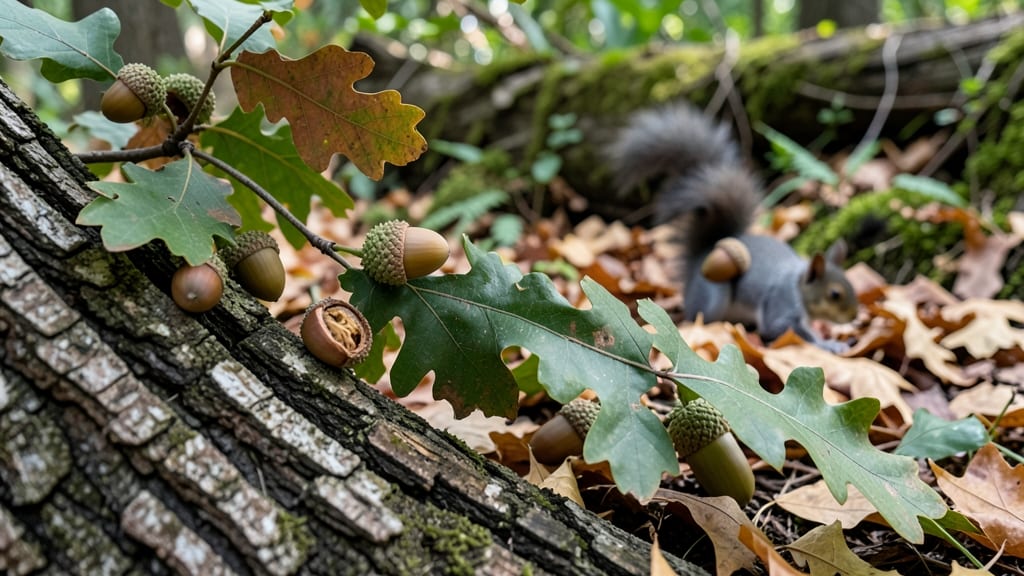
Harvesting oak tree seed pods means growing your own future shade giants—no nursery needed. 🌳 The key is timing: collect acorns when they're ripe in fall but before squirrels get to them, then store them properly to break dormancy naturally.
I've turned fallen acorns into thriving young oaks using this exact method, and you can too. Start with a clean bucket and a little patience—no fancy tools required. After gathering, clean the acorns and stratify them in damp sand for 3 months in the fridge.
This mimics winter conditions and tricks them into thinking they've survived a cold season, so they'll germinate faster when you plant them in spring. You'll see tiny sprouts within 4-6 weeks of planting, and with proper care, those seedlings can grow into majestic oaks.
The trick is keeping them moist but not soggy, and protecting them from deer and pests until they're established. Works for red, white, or pin oak varieties. Here's how to do it right the first time!
📚 In This Guide
- What you need
- Instructions
- Tips and common mistakes
- Wrapping up and next steps
What you need
- ● Gloves (heavy-duty or gardening gloves) – 1 pair to protect your hands from acorns and potential allergens.
- ● Large buckets or mesh bags – 2-3 (10+ gallon capacity) for collecting seed pods. Mesh bags allow airflow to prevent mold.
- ● Pruning shears or loppers – 1 pair (for reaching higher branches safely). Opt for bypass pruners for cleaner cuts.
- ● Ladder or sturdy step stool – 1 (6+ feet tall) if harvesting from elevated branches.
- ● Plastic tarp or drop cloth – 1 (5x5 feet) to lay under trees and minimize cleanup.
- ● Newspaper or paper towels – 1-2 sheets for drying and sorting acorns.
- ● Fine-mesh sieve or colander – 1 (for separating acorns from debris and smaller pods).
- ● Air-tight storage containers – 2-3 (quart-sized or larger) with lids for long-term storage.
- ● Labeling tape and markers – 1 roll + markers to label containers with harvest dates.
- ● Acorn cap remover tool – 1 (speeds up the process of removing shells from viable seeds).
- ● Hydrometer or kitchen scale – 1 (for testing acorn buoyancy or weight to identify viable seeds).
- ● Desiccant packets – 1-2 (to absorb moisture in storage containers and extend shelf life).
- ● Camera or notebook – 1 (to document oak species, harvest dates, or germination progress).
- ● Child-safe helpers – 1-2 (if involving kids—supervise closely! 👀).
Instructions for harvesting and saving oak tree seed pods
Here's how I gather and store acorns for successful oak tree propagation—no fuss, no waste.
🌿 Step 1: Identify and Harvest Mature Acorns
Look for acorns in late fall when the seed pods (cupules) turn brown and begin to open naturally. A mature acorn will have a smooth, glossy shell and feel heavy for its size. I tap the cap gently—if it releases easily, the acorn's ready. Collect only those that fall cleanly from the tree, avoiding any still attached to the pod.
Use a clean bucket or breathable mesh bag to gather acorns. Avoid plastic bags—they trap moisture and encourage mold. I spread a tarp beneath the tree first to make cleanup easier. Harvest on a dry day to prevent acorns from sticking together or rotting in damp conditions.
🪴 Step 2: Clean and Sort the Acorns
Spread the collected acorns on a clean, dry surface like a screen or baking sheet. Remove any that show signs of pest damage (holes, chew marks) or disease (mold, discoloration). I use a small brush to gently clean off debris, but never wash acorns—excess moisture reduces their viability.
Sort acorns by size, keeping only the largest, plumpest ones. These have the highest germination rates. Discard any that feel hollow when tapped or have cracked shells. Store the selected acorns in a paper bag or breathable container to allow airflow while preventing pests.
💧 Step 3: Stratify Acorns for Germination
Oak acorns require a cold period to break dormancy. Place the cleaned acorns in a container with a mix of moistened peat moss or sand. I use a shallow tray with a lid to create a mini cold frame. Keep the mix damp but not soggy—acorns should feel slightly damp to the touch.
Store the container in the refrigerator for 90-120 days at 35-45°F. Check monthly to ensure the mix stays moist. After stratification, plant the acorns outdoors in well-draining soil or sow them in pots. You'll see sprouts in 4-8 weeks if conditions are right.
☀️ Step 4: Plant or Store for Later Use
For immediate planting, dig holes 2-3 times deeper than the acorn and 3-4 times wider. Place one acorn in each hole with the pointed end up, then cover with soil. Water gently to settle the soil without displacing the acorn. Young oak seedlings need full sun and consistent moisture.
To store acorns for future planting, place them in a sealed container with a desiccant like silica gel or dry sand. Keep the container in a cool, dark place. Label with the date and variety if known. Acorns remain viable for 1-2 years under these conditions, though germination rates decline over time.
Tips & tricks for perfect oak tree seed pod harvesting
Between us, these little details make all the difference when saving acorns for future oaks.
Timing Secret: Harvest acorns when they're freshly fallen but still dry—this is your golden window. I've learned the hard way that waiting too long means they'll either sprout prematurely or attract pests. Look for the pods to be fully brown and the acorns to release easily when you tap them. The first dry week after they drop is your best bet, typically late October through November depending on your climate.
Storage Wisdom: Never store acorns in airtight containers—this creates condensation that leads to mold. Instead, use breathable materials like paper bags or mesh containers. I keep mine in a well-ventilated cardboard box in my garage until I'm ready for stratification. The airflow prevents moisture buildup while keeping pests at bay. For long-term storage beyond 2 years, silica gel packets work wonders in sealed containers.
Temperature Matters: That 90-120 day cold stratification period at 35-45°F is non-negotiable for breaking dormancy. I use my refrigerator's crisper drawer because it maintains consistent humidity. If your fridge runs warmer, consider a dedicated seed stratification setup. The key is maintaining that cold temperature without freezing—the acorns should feel slightly damp but never icy.
Planting Precision: When it's time to plant, dig holes that are 2-3 times deeper than the acorn but only 3-4 times wider. This creates the right balance of soil coverage without compacting the root zone. I make a small mound of soil in the bottom of each hole before placing the acorn, then cover it with a thin layer of mulch to retain moisture. This technique mimics natural forest conditions where seedlings get gradual soil contact.
Pro Tips for Oak Tree Seed Pods
- Between us, these little details make all the difference when saving acorns for future oaks.
- Timing Secret: Harvest acorns when they're freshly fallen but still dry—this is your golden window.
- Storage Wisdom: Never store acorns in airtight containers—this creates condensation that leads to mold.
Frequently asked questions
Got questions about harvesting, storing, or using oak tree seed pods?
Here are some of the most common queries—and their answers—to help you navigate the process like a pro.
When is the best time to collect oak acorns (seed pods)?
Timing is everything! Harvest acorns in late fall (October–November) when they’ve fully matured but before squirrels or pests get to them. Avoid collecting too early—they won’t germinate well, and too late means they may already be sprouting or rotting. Look for acorns that pop open easily when tapped.
Why do some oak acorns seem empty or shriveled?
Not all acorns contain viable seeds—about 30–50% may be empty or infested. Shriveled or hollow-sounding acorns are often dormant or damaged. To test, crack one open: a plump, firm seed inside means it’s good to go! Discard the rest to avoid wasting storage space.
Can I plant oak seed pods in my yard, or do they need special treatment?
Oak acorns require stratification (a cold, moist period) to break dormancy. For best results, plant them 1–2 inches deep in well-draining soil in fall or soak them in water for 24 hours before planting in spring. Young oaks grow slowly—be patient! Alternatively, store them in a damp paper towel in the fridge for 3–4 months before planting.
How do I keep squirrels and other critters from stealing my acorns?
Squirrels love acorns, so act fast! Harvest them promptly and store them in airtight containers (like mesh bags or sealed jars) in a cool, dry place. For outdoor storage, use wire mesh cages or bury them in deep holes (they’ll still sprout!). If planting directly, space acorns widely—squirrels are less likely to dig up scattered seeds.
How long can I store oak seed pods before they lose viability?
With proper care, acorns stay viable for 2–3 months at room temperature or up to a year in cold storage (34–40°F). Keep them in a paper bag or breathable container to prevent mold. Avoid plastic—it traps moisture and speeds up spoilage. Test a few acorns before long-term storage by planting them to check for germination.
Are there alternatives to oak seed pods for planting trees?
If oak acorns aren’t available, consider nursery-grown saplings or seeds from other native trees like hickory, walnut, or hawthorn. These also support wildlife but may require less stratification. Just ensure the species is suitable for your climate—check with local extension offices for recommendations!
Wrapping up and next steps
From learning how to harvest oak tree seed pods with ease to discovering creative ways to save them year-round, you’ve unlocked a simple, rewarding skill that connects you to nature’s cycles. 🌳 Whether you’re aiming to grow new oaks or just enjoy the process, every pod you collect is a seed of potential—both for your garden and your curiosity. Now’s the perfect time to put your knowledge into action!
🌱 Your Next Step:
- Grab your tools and head outdoors—harvest a batch of pods this weekend!
- Experiment with storage methods to see which works best for your climate.
- Share your progress (or tips!) with fellow gardening enthusiasts—community grows together!