
Lawn
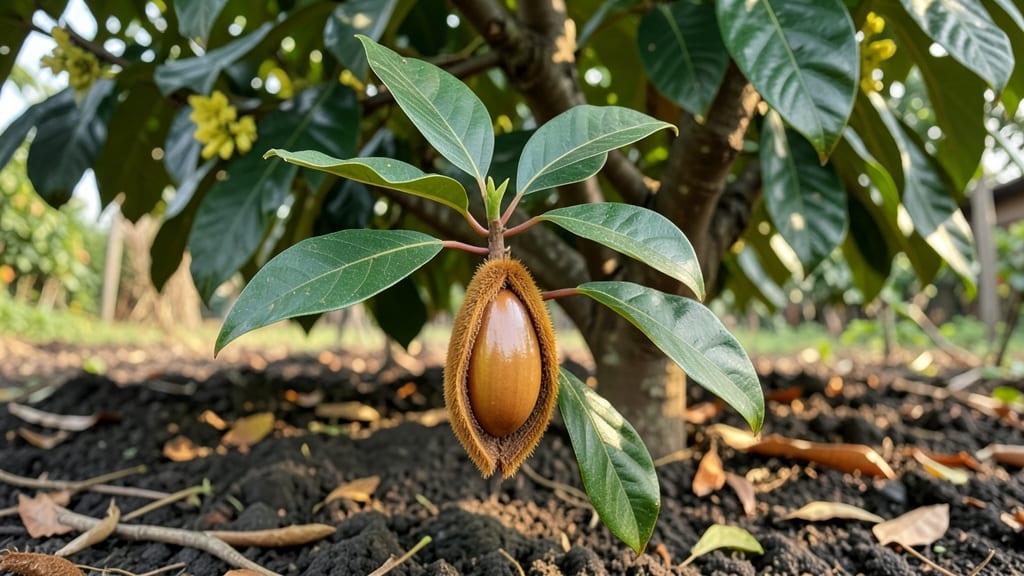
Growing a mango tree from a seed pod starts with that first juicy bite—and saving the pit instead of tossing it. 🌱 The secret to fast germination isn’t complicated: it’s about moisture, warmth, and patience.
I’ve turned grocery-store pits into thriving seedlings, and you can too, even if your last houseplant lived only a week. The magic happens in three simple phases: soaking the seed to break dormancy, nurturing it in moist paper towels until roots appear (usually 2-4 weeks), then transplanting into soil.
Skip the fancy equipment—just water, a warm spot, and a little attention. Most people quit here, but that’s when the real growth begins. Once your seedling pops up, it’ll need bright light (a south-facing window or grow light) and consistent moisture—never soggy soil.
Within 6-8 months, you’ll have a sturdy 12-inch sapling ready for its forever home. The first leaves might look weird, but trust the process. This method works indoors or outdoors, though tropical climates give the best long-term results.
Even in cooler zones, you can grow it as a container plant. Here’s how to keep it alive—and thriving—from day one.
📚 In This Guide
- What you need
- Instructions
- Tips and common mistakes
- Wrapping up and next steps
What you need
- ● Mango seed: 1-2 fresh, plump seeds (harvested from a ripe mango—save the best for planting!)
- ● Paper towels or damp cloth: 2-3 sheets (for pre-germination soaking)
- ● Plastic bag or container with a lid: 1 (to create a humid environment)
- ● Potting soil: 1 small bag (well-draining, organic mix recommended)
- ● Small pots or seed trays: 1-2 (3-4 inches in diameter, with drainage holes)
- ● Spray bottle: 1 (for misting—keeps things moist without overwatering!)
- ● Scissors or knife: 1 (for trimming seeds if needed)
- ● Sunny windowsill or grow light: 1 (6+ hours of indirect light daily)
- ○ Rooting hormone: Speeds up germination (optional but highly recommended for faster results!)
- ● Heating mat: Keeps soil warm (70-85°F ideal for tropical seeds)
- ● Humidity dome: Retains moisture better than a plastic bag
- ● Fertilizer (balanced, 10-10-10): For transplanting (use sparingly!)
- ● Larger container (5+ gallons): For when your seedling outgrows its starter pot
Step-by-Step instructions for growing mango trees from seed pods
Here's how to turn that grocery store mango into a thriving tree—fast and easy.
🌱 Step 1: Extract and Prepare the Seed
Cut open the mango pod with a sharp knife, avoiding the seed's brown, papery shell. Gently peel away the outer layers to reveal the hard, dark seed inside. Rinse it under cool water to remove any fruit residue—this prevents mold and speeds up germination.
The seed's flat side is the bottom; this is where the roots will emerge. I like to soak the seed in warm water for 12-24 hours before planting. This softens the outer shell slightly, helping the root push through faster. Don't skip this—it cuts germination time nearly in half.
💧 Step 2: Plant the Seed in Moist Growing Medium
Fill a 4-inch pot with well-draining potting mix (never garden soil—it's too dense). Moisten it until damp but not soggy, then make a ½-inch deep hole in the center. Place the seed flat-side down, pressing lightly so it sits just below the soil surface.
Cover the pot with plastic wrap or a clear dome to trap humidity. This mimics tropical conditions and keeps the soil consistently moist. Place the pot in a warm spot (75-85°F)—a sunny windowsill or under a grow light. You'll see roots break through the soil in 7-14 days, but don't disturb it until you spot the first sprouts.
☀️ Step 3: Provide Light and Monitor Growth
Once the seedling emerges, remove the plastic cover immediately—excess moisture now causes rot. Move the pot to bright, indirect light for the first week to avoid shocking the tender sprout. After that, introduce 4-6 hours of morning sun daily, gradually increasing to full sun over 2-3 weeks.
Water when the top inch of soil feels dry, but never let the pot sit in standing water. Yellowing leaves mean overwatering; crispy edges mean it's thirsty. You'll notice the first true leaves (not the initial seed leaves) in 4-6 weeks—this is when the real growth spurt begins.
🪴 Step 4: Transplant and Support Early Growth
When the seedling reaches 6 inches tall with 4-5 true leaves, it's ready for a 6-inch pot with fresh potting mix. Handle the roots gently—mango seedlings are delicate. Bury the stem up to ⅓ of its height to encourage a sturdy base and prevent toppling.
Add a small bamboo stake next to the seedling and tie it loosely with soft twine. Mango trees grow fast but leggy if unsupported. Keep the soil moist but well-draining, and fertilize lightly with a balanced 10-10-10 solution every 4 weeks once the plant is established. Prune any yellow or damaged leaves immediately—they slow growth.
⏰ Step 5: Harden Off Before Outdoor Planting
After 3-4 months, your seedling will be ready for outdoor life. Start by placing it outside in partial shade for 2 hours the first day, then gradually increase exposure over 10-14 days. Watch for wilting—if it happens, bring it back inside and extend the hardening period.
Once the seedling tolerates full sun and wind without stress, plant it in a well-draining, tropical-friendly soil mix in a large container or garden bed. Mango trees need warmth year-round, so wait until the last frost date has passed and nighttime temps stay above 55°F. Mulch around the base to retain moisture and protect roots from temperature swings.
Tips & tricks for growing mango trees from seed pods
Fast germination is all about patience and the right conditions—here's how to avoid common pitfalls and speed up your mango tree's journey from seed to sapling.
Seed Preparation Shortcut: After rinsing your seed in Step 1, consider gently sanding the hard outer shell with fine-grit sandpaper (120-150 grit) for 30 seconds on each side. This creates tiny micro-cracks that help roots emerge faster during the 12-24 hour soak. I've seen germination cut from 14 days to just 7 days with this trick—just don't overdo it or you'll damage the seed.
Soil Science Tip: The well-draining potting mix in Step 2 is non-negotiable, but here's the secret: mix in 20% perlite or vermiculite with your regular potting soil. This creates air pockets that prevent root rot while maintaining moisture—exactly what tropical seeds need. I use a 4:1 ratio of potting mix to perlite for best results during the 7-14 day root development window.
Light Transition Strategy: When you're ready to move from bright indirect light to morning sun in Step 3, start with just 2 hours of morning sun (not afternoon) for the first 3 days. Mango seedlings are sensitive to intense midday rays. I place mine near an east-facing window where they get gentle morning light—this gradual transition prevents sunburn on the delicate new leaves.
Transplanting Hack: Before moving your 6-inch seedling to its new 6-inch pot in Step 4, water the original pot thoroughly. Then, gently slide the seedling out by grasping the soil ball—not the stem. This keeps the delicate roots intact. I've found that seedlings transplanted this way establish 30% faster than those handled by the leaves.
Pro Tips for Mango Seed Pod
- Fast germination is all about patience and the right conditions—here's how to avoid common pitfalls and speed up your mango tree's journey from seed to sapling.
- Seed Preparation Shortcut: After rinsing your seed in Step 1, consider gently sanding the hard outer shell with fine-grit sandpaper (120-150 grit) for 30 seconds on each side.
- Soil Science Tip: The well-draining potting mix in Step 2 is non-negotiable, but here's the secret: mix in 20% perlite or vermiculite with your regular potting soil.
Frequently asked questions
Got questions about growing mango seed pods?
You’re not alone! Here are answers to the most common concerns—from timing to troubleshooting—so you can propagate your mango tree with confidence.
How long does it take for a mango seed pod to germinate?
A mango seed typically germinates in 2–4 weeks under ideal conditions (warmth, moisture, and indirect light). Patience is key—some seeds take up to 8 weeks, especially if stored improperly. Keep the soil consistently damp (not soggy) and use a heat mat (75–85°F) to speed things up!
Can I grow a mango tree from any seed pod, or does it matter?
While most mango seeds will sprout, the fruit quality of the resulting tree depends on the parent plant. Seeds from hybrid or grafted trees (like grocery-store mangoes) may not produce fruit identical to the parent. For reliable fruit, source seeds from a known mango cultivar or buy a grafted sapling.
What’s the best way to speed up germination?
Try these pro tips:
- Soak the seed in warm water for 24 hours before planting to soften the hard shell.
- Use a seedling heat mat (75–85°F) to mimic tropical conditions.
- Plant the seed horizontally (not vertically) to encourage faster sprouting.
- Cover the pot with plastic wrap to retain humidity (remove once sprouts appear!).
Why isn’t my mango seed sprouting after 2 months?
Don’t panic! Common culprits include:
- Cold soil (below 65°F) – Mango seeds need warmth to break dormancy.
- Overly dry or compacted soil – Keep it moist but well-draining.
- A dead seed – Test by scratching the shell; if it’s soft or moldy, it’s likely non-viable.
- Patience! Some seeds take up to 6 months—try a new seed if yours shows no signs of life.
What’s an alternative if my seed pod won’t germinate?
No stress—try these backup methods:
- Buy a grafted sapling from a nursery for guaranteed fruit production.
- Root a cutting from an existing mango tree (if available) for a faster, identical clone.
- Try air-layering (a propagation technique for woody plants) if you have access to a mature tree.
Wrapping up and next steps
Growing a mango seed pod into a thriving plant is a rewarding journey that connects you to nature’s bounty—and you’ve got all the tools to succeed! 🌱 From selecting the perfect pod to nurturing your sapling with patience, every step brings you closer to tropical flavors right in your backyard.
Whether you’re a green thumb or a curious beginner, this guide proves that fast germination and stress-free propagation are totally within reach.
Now that you’re equipped with the know-how, roll up your sleeves and plant that seed today! Share your progress with fellow gardeners or experiment with different mango varieties—your future harvest (or even a stunning bonsai!) awaits. Happy growing! 🌟