
Lawn
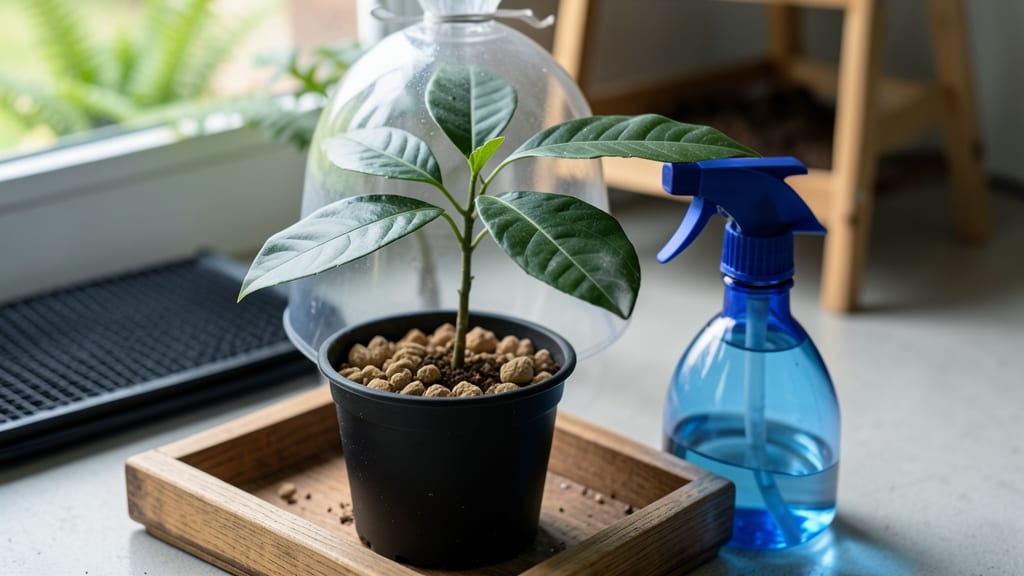
Growing a mango tree from seed in NYC proves you don’t need a tropical paradise—just patience and the right container. 🌱 I’ve watched these stubborn seeds sprout into lush, leafy plants that bring a taste of summer indoors, even when the city outside is gray and cold.
The key isn’t just soil or sunlight; it’s understanding how to coax this tropical dreamer through NYC’s unpredictable seasons.
Start with a seed from a ripe mango, soak it overnight, and plant it in a mix of peat and perlite—light, airy, and perfect for keeping roots happy. You’ll need a sunny windowsill or grow light, since mangoes crave at least 6 hours of direct sun daily.
The real challenge? Mimicking tropical humidity without turning your apartment into a swamp. A simple pebble tray or occasional misting keeps leaves from crisping up.
By spring, your seedling could be 2 feet tall, but don’t rush it outside—NYC’s summer heatwaves and winter freezes will shock a young tree. Instead, treat it like a houseplant year-round, pruning leggy growth and fertilizing lightly every 2 months.
The payoff? A plant that thrives on your countertop, with glossy leaves and the occasional fragrant white bloom—proof that even in the city, you can grow something extraordinary.
Outdoor growth is possible in summer, but only in Zone 8’s warmest pockets with winter protection. Most NYC growers keep theirs indoors, where they live for years, becoming living reminders of warmer climates.
The trick is consistency: water when the top inch of soil dries, rotate the pot for even growth, and never let it sit in cold drafts. With these adjustments, your mango seedling won’t just survive—it’ll flourish, one leaf at a time.
📚 In This Guide
- What you need
- Instructions
- Tips and common mistakes
- Wrapping up and next steps
What you need
- ● Mango seed: 1 fresh, plump seed from a ripe mango (bonus points if it’s a variety like Keitt or Haden, which thrive in containers!)
- ● Containers: 2–3 small pots (4–6 inches in diameter) with drainage holes, plus a larger 10–12 inch pot for transplanting (use well-draining soil mix).
- ● Potting soil: 1 bag of high-quality, well-draining cactus/succulent mix or a blend of 50% potting soil + 50% perlite/sand.
- ● Tools: Small knife or scissors (for seed prep)
- ● Spray bottle (for moisture control)
- ○ Tweezers (optional, for delicate handling)
- ● Grow lights or a sunny windowsill (south-facing is ideal for NYC’s climate!)
- ● Fertilizer: Balanced liquid fertilizer (5-5-5) or slow-release granules for tropical plants.
- ● Humidity dome or plastic wrap (to retain moisture during germination).
- ● Thermometer (to monitor soil temp—aim for 70–85°F for germination).
- ● Pest control: Neem oil or insecticidal soap (just in case!).
Step-by-step instructions for growing mango trees from seed in NYC
Turn that grocery store pit into a lush tropical tree—here’s how to coax life from a mango seed.
🌱 Step 1: Prepare the Seed for Germination
Start by cleaning the seed thoroughly—scrub off any remaining fruit flesh with water and let it dry for 24 hours. This prevents mold. Next, soak the seed in warm water for 3-5 days, changing the water daily. You’ll know it’s ready when a tiny white root (radicle) emerges from one end.
Here’s the thing—don’t rush this step. The longer you soak, the stronger the root grows before planting. I’ve found that 5 days gives the best start, especially in NYC’s cooler spring temperatures. Keep the water just warm enough to touch comfortably—not hot.
🪴 Step 2: Choose and Fill the Container
Use a small pot (6-8 inches deep) with drainage holes—mango seeds hate soggy roots. Fill it with well-draining potting mix (not garden soil) mixed with 20% perlite or sand for aeration. Fill the pot ½ full, leaving room for the seed to sit upright.
Press the soil down lightly so it’s firm but not compacted. The goal is to create a stable base for the seedling’s first roots. Tap the pot gently on the table to settle the mix evenly. If you’re using the 4 containers from your setup, label each with the date—you’ll thank yourself later when seedlings pop up at different times.
💧 Step 3: Plant the Seed and Maintain Moisture
Place the soaked seed 1 inch deep in the soil, with the root pointing downward. Cover it lightly with additional mix, leaving ½ inch of soil above the seed. Water gently until the top 1 inch of soil feels damp—not soaking wet. Use a spray bottle for precision.
Now, here’s where patience pays off: do not overwater. Keep the soil consistently moist (like a wrung-out sponge) but never soggy. In NYC’s humid summers, this means watering every 2-3 days, while cooler months may stretch that to 4-5 days. You’ll see the first true leaves in 4-8 weeks—that’s your green light to adjust care.
☀️ Step 4: Provide Warmth and Light
Mango seeds need warmth (75-85°F) to germinate. Place the pot in a south-facing window or under a grow light for 12-14 hours daily. If your NYC apartment runs cool, a seedling heat mat (set to 70°F) speeds up germination. Avoid drafts—cold windowsills will stall growth.
Once the seedling reaches 6 inches tall, it’s ready for a larger 1-gallon pot. This is critical: Mango trees grow fast, and cramped roots lead to weak stems. Watch for yellowing leaves—a sign of overwatering or poor drainage. Strong seedlings have deep green leaves and sturdy stems that don’t wobble.
✂️ Step 5: Prune and Transition to Outdoor Life
After 3-4 months, your seedling will need pruning. Pinch off the top set of leaves to encourage bushier growth—this prevents leggy, weak stems. When NYC’s last frost has passed (mid-May), harden off the plant by moving it outside for 1-2 hours daily, gradually increasing time over 2 weeks. Start with dappled shade to avoid sunburn.
Real talk: Your mango tree won’t fruit for 5-10 years, but the journey is worth it. Keep it in a sunny spot (6+ hours of light) and water deeply weekly during dry spells. In winter, bring it indoors near a bright window—mangoes are tropical and need warmth to survive NYC winters.
Tips & tricks for growing mango trees from seed in NYC
Here's what I learned after watching my first batch of mango seeds struggle in NYC's unpredictable climate.
Germination Timing: The 3-5 day soak range is perfect, but don't be surprised if germination takes longer in cooler spring months. I've seen seeds take up to 7 days when my apartment stays below 65°F at night. Place your container on top of the fridge (not inside) to create a warmer microclimate if needed. The key is consistency—maintain that 75-85°F range day and night for best results.
Container Setup: That 20% perlite or sand mix is non-negotiable for NYC's humid summers. I've had seeds rot in regular potting mix because it traps too much moisture. Pro tip: Add a handful of orchid bark to your mix—it improves aeration even more. Also, make sure your pot has drainage holes, even if you're using a cache pot. You can always place it in a saucer with pebbles to catch excess water.
Light Strategy: NYC's south-facing windows vary wildly in intensity. If your seedling looks stretched and pale after reaching 6 inches, it needs more light. Move it to the brightest window or supplement with a 12-14 hour grow light immediately. I use a simple LED bulb on a timer—it's the difference between a healthy bushy plant and a leggy weakling. Rotate the pot weekly so all sides get even light exposure.
Watering Wisdom: The "wrung-out sponge" test is spot-on, but here's the thing about NYC's tap water—it's often chlorinated. Let your water sit out for 24 hours before using to prevent chemical burn on young roots. In summer, I water every 2 days but check soil moisture daily—top inch should dry out between waterings. Overwatering is the #1 killer of mango seedlings, so when in doubt, wait another day.
Pro Tips for Mango Seed Nyc
- Here's what I learned after watching my first batch of mango seeds struggle in NYC's unpredictable climate.
- Germination Timing: The 3-5 day soak range is perfect, but don't be surprised if germination takes longer in cooler spring months.
- Container Setup: That 20% perlite or sand mix is non-negotiable for NYC's humid summers.
Frequently asked questions
Got questions about growing mango seeds in NYC? You’re not alone—urban jungle adventures come with curiosity! Here are answers to the most common queries to help you cultivate your tiny tropical dream.
How long does it take for a mango seed to sprout in NYC’s climate?
A mango seed typically sprouts within 2–4 weeks if kept warm (70–85°F) and moist. NYC’s indoor conditions (like a sunny windowsill) speed this up, but outdoor planting in spring/summer may slow germination due to cooler temps. Pro tip: Use a heat mat or warm spot to mimic tropical conditions!
Can I grow a mango tree indoors in NYC year-round?
Yes, but with caveats! Mango trees thrive indoors as houseplants for 1–3 years before needing outdoor summer sun (NYC’s Zone 7–8). In winter, keep them near a south-facing window or under grow lights. Expect slower growth—patience is key! Fun fact: Many NYC growers keep theirs in pots and move them seasonally.
What happens if my mango seed freezes in NYC winters?
Mango seeds cannot survive freezing—they’ll die if exposed to temps below 32°F. If your seedling is outdoors, bring it inside before the first frost (usually October–November in NYC). For mature trees, use a greenhouse, cold frame, or insulated pot to protect roots. Troubleshoot: Yellow leaves = shock; trim damaged foliage and keep it warm.
Can I eat the mango fruit from a seed-grown tree in NYC?
Technically yes, but don’t expect grocery-store quality! Seed-grown mangoes take 5–10 years to bear fruit, and NYC’s climate may yield small, tart fruit. For sweeter results, graft a commercial variety onto your seedling. Bonus: Even if it’s not perfect, homegrown mangoes are a rewarding (and delicious!) achievement.
What’s the easiest alternative if mango seeds fail to sprout?
If your seed struggles, try these NYC-friendly tropicals:
- Avocado pits (faster to sprout, hardier indoors)
- Citrus seeds (limes/lemons—thrive in containers)
- Papaya (grows quicker than mango in warm spots)
- Grafted mango saplings (buy from local nurseries for guaranteed fruit)
Wrapping up and next steps
Growing a mango tree from seed in NYC might seem like a tropical dream, but with the right container, care, and patience, you can turn your urban space into a mini jungle! 🌱 Your journey starts with a simple seed—just imagine the sweet, sun-drenched rewards waiting ahead.
Whether you’re a green thumb or a curious beginner, every small step counts.
Ready to take the next leap? Start small: plant that seed, nurture it with love, and watch it grow! Before you know it, you’ll be sharing your mango adventures—or even fruit—with neighbors. Your urban jungle awaits—let’s make it happen! 🌿✨