
Propagation
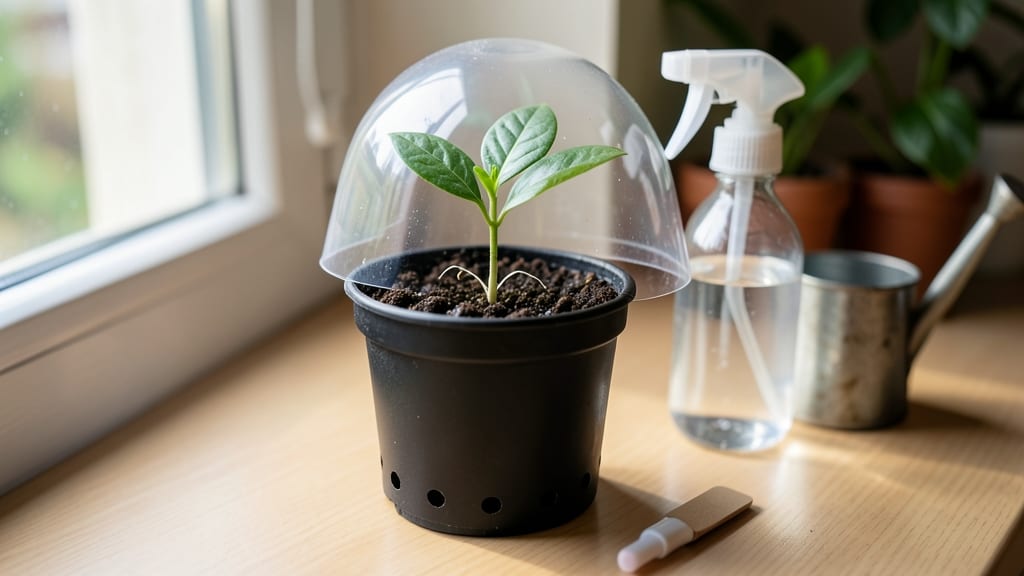
The germination of lemon seeds isn’t as tricky as it seems—you can have tiny green sprouts in just 30 days with the right approach. 🌱 I’ve turned kitchen scraps into thriving seedlings by focusing on warmth, moisture, and patience, and you can too. The key is avoiding common pitfalls like overwatering or letting the soil dry out completely, which can stall or kill seeds before they even sprout.
Start with a shallow container, well-draining soil mix, and a warm spot near a sunny window. Lemon seeds need consistent moisture—think damp, not soggy—and a temperature between 70-75°F to encourage germination.
Most seeds will push through the soil in 2-3 weeks, but some take longer, so don’t rush the process. A clear plastic bag or humidity dome helps create the tropical conditions lemon seeds crave.
Once those first green leaves appear, you’ll know you’re on the right track. The seedlings will be delicate at first, but with proper light and care, they’ll grow into sturdy plants ready for transplanting in 4-6 weeks.
The real reward? Watching them develop into small lemon trees—even if they never bear fruit, they’re a stunning addition to any sunny windowsill or garden.
Troubleshooting is part of the journey—mold or rot? Adjust your watering or soil mix. Stunted growth? Check the light exposure. Every seedling is different, but with these basics, you’ll turn those tiny seeds into thriving plants that’ll impress anyone who asks how you did it.
📚 In This Guide
- What you need
- Instructions
- Tips and common mistakes
- Wrapping up and next steps
What you need
- ● Lemon seeds: 3–5 fresh, plump seeds (harvested from organic lemons for best results)
- ● Small pots or containers: 2–3 (3–4 inches deep) with drainage holes—plastic nursery pots or yogurt cups work great!
- ● Potting mix: 1–2 cups of well-draining, seed-starting mix (or a blend of 50% peat moss and 50% perlite)
- ● Water: Room-temperature, filtered or rainwater (avoid chlorinated tap water)
- ○ Spray bottle: For gentle hydration (optional but helpful for precision)
- ● Plastic wrap or clear lid: To create a humidity dome (e.g., a ziplock bag or cut plastic bottle)
- ● Label or marker: To track planting dates (trust us, it helps!)
- ● Heating mat (70–75°F) to speed up germination in cooler climates
- ● Grow lights or sunny windowsill (south-facing preferred)
- ● Fungicide spray (like neem oil) to prevent mold if humidity runs high
- ● Seedling trays or egg cartons for organized spacing
Step-by-Step instructions for lemon seed germination
Here's how to coax those tiny lemon seeds into sturdy saplings—no fancy equipment needed.
🌱 Step 1: Extract and Prepare the Seeds
Cut open a fresh, organic lemon and scoop out the seeds with a spoon, avoiding the fibrous pulp. Rinse them under cool water to remove any clinging fruit residue. I like to spread them on a paper towel to air-dry for 10-15 minutes—this prevents mold while keeping the seed coats from hardening too much.
Real talk: Don't skip the drying step. Wet seeds left in the pulp will rot before they sprout. Once dry, store them in a sealed container in the fridge until ready to plant. They'll stay viable for up to 6 months this way.
💧 Step 2: Soak and Plant for Optimal Germination
Fill a small container with 2 inches of warm water and add the seeds, letting them soak for 24-48 hours. You'll see the seed coats soften and tiny white roots emerge—this is your signal they're ready. After soaking, plant them ½ inch deep in a well-draining potting mix in individual 3-inch pots.
Keep the soil consistently moist but never soggy. I use a spray bottle to mist the surface daily until germination occurs. The reason we soak first is that lemon seeds have thick coats that slow water absorption—this jumpstarts the process.
☀️ Step 3: Provide Warmth and Light for Sprouting
Place the pots in a warm spot with bright, indirect light—a south-facing window or under a grow light. Lemon seeds germinate best at 70-75°F, so if your home runs cooler, consider using a seedling heat mat. You should see sprouts in 2-3 weeks, though some stubborn seeds take up to 30 days.
Once the first true leaves appear (not the initial seed leaves), move the seedlings to a sunny windowsill or under a grow light for 12-14 hours daily. Direct sunlight can scorch young seedlings, so start with partial shade and gradually increase exposure.
🌿 Step 4: Transplant and Encourage Healthy Growth
After 4-6 weeks, when seedlings have 4-6 true leaves, transplant them into 5-inch pots with fresh potting mix. Lemon trees grow slowly at first, so be patient—overcrowding stresses them. Water deeply but allow the top inch of soil to dry between waterings to prevent root rot.
Here's the thing—lemon trees need good airflow. I like to gently brush the leaves with my fingers daily to discourage fungal growth. You'll know your seedlings are thriving when they develop glossy, dark green leaves and a sturdy stem.
⏰ Step 5: Harden Off Before Outdoor Transition
Once seedlings are 6-8 inches tall and have 8-10 leaves, start hardening them off by placing them outside in a sheltered spot for 1-2 hours the first day. Gradually increase their outdoor time over 10-14 days, eventually leaving them out all day in partial shade.
Don't rush this step. Lemon seedlings are tender and can't handle sudden temperature swings. If frost threatens, bring them back inside immediately. With proper care, your seedlings will be ready for their first outdoor planting in 3-4 months.
Tips & tricks for perfect lemon seed germination
Common pitfalls—and how to sidestep every one—when growing lemon seeds into thriving saplings.
Seed Preparation: After rinsing your seeds in Step 1, pat them dry thoroughly with a paper towel before air-drying for the 10-15 minutes specified. I learned this the hard way after ruining three batches—excess moisture trapped in the pulp creates the perfect environment for mold. The seeds should feel completely dry to the touch before storing in the fridge. If you're impatient, you can gently press them between two paper towels with a clean cloth to speed up drying while still preventing over-hardening.
Soaking Strategy: The 24-48 hour soak in Step 2 is your secret weapon for breaking through those tough seed coats. I recommend using distilled or filtered water instead of tap water to avoid chlorine exposure, which can inhibit germination. Place a small weight (like a mesh screen) on top of the seeds to keep them submerged—this ensures even hydration. Watch for the seed coats to soften and tiny white roots to appear; this is your cue they're ready for planting. If you notice any seeds developing mold during soaking, remove them immediately to protect the others.
Light and Temperature: While the instructions specify 70-75°F as ideal, I've found that maintaining consistent warmth is more critical than hitting that exact range. If your home runs cooler, a simple seedling heat mat (available for under $10) can make all the difference. For light, position your pots about 6-12 inches from a south-facing window—the closer they are, the more intense the light, but never let them touch the glass. Rotate the pots daily to prevent seedlings from leaning toward one light source, which creates weak stems that can snap easily.
Transplanting Timing: The 4-6 week transplant window in Step 4 is your best chance to avoid root shock. I wait until I see the first signs of root binding—when you gently tug on the seedling and notice resistance from the roots. At this stage, the seedlings have developed enough root mass to handle the transition to larger pots. When repotting, handle the seedlings by their leaves rather than the stems to prevent damage. The extra inch of depth in the 5-inch pots gives roots room to grow downward, which is crucial for stability as your lemon tree matures.
Pro Tips for Lemon Seed Germination
- Common pitfalls—and how to sidestep every one—when growing lemon seeds into thriving saplings.
- Seed Preparation: After rinsing your seeds in Step 1, pat them dry thoroughly with a paper towel before air-drying fo...
- Soaking Strategy: The 24-48 hour soak in Step 2 is your secret weapon for breaking through those tough seed coats. I ...
Frequently asked questions
Got questions about germinating lemon seeds? You’re not alone!
Here are the most common concerns—and their simple solutions—to help you grow a thriving lemon tree from scratch.
How long does it take for lemon seeds to germinate?
Lemon seeds typically sprout in 14–30 days, depending on temperature, moisture, and seed freshness. Keep the soil consistently damp (not soggy) and place the pot in a warm spot (70–85°F). Patience is key—some seeds take longer, especially if stored for months.
Why aren’t my lemon seeds sprouting? Troubleshooting tips
If your seeds refuse to sprout, check these common issues:
- Too cold: Lemon seeds need warmth to germinate. Move the pot to a sunny windowsill or use a seedling heat mat.
- Dry soil: Keep the top inch of soil moist but avoid waterlogging, which can rot seeds.
- Old seeds: Seeds lose viability over time. Use fresh seeds for best results.
- Poor drainage: Stagnant water suffocates seeds. Ensure your pot has drainage holes.
Can I speed up lemon seed germination?
Yes! Try these tricks to encourage faster sprouting:
- Soak seeds in warm water for 24 hours before planting to soften the outer shell.
- Use a bottom heat source (like a heating pad) to mimic tropical conditions.
- Plant seeds shallowly—just ½ inch deep—to reduce germination time.
What’s the best soil mix for lemon seed germination?
A lightweight, well-draining mix works best. Combine:
- 50% peat moss or coco coir (for moisture retention)
- 30% perlite or sand (for aeration)
- 20% vermiculite (to prevent compaction)
Skip garden soil—it’s too dense and can harbor fungus. Sterilize your mix by baking it at 200°F for 30 minutes to kill pathogens.
How do I know if my lemon seedling is healthy?
A healthy lemon seedling should have:
- Two smooth, glossy cotyledons (the first leaves) within 2–3 weeks.
- Firm stems (not mushy or yellowing).
- No black spots or mold on soil or leaves.
If leaves turn yellow or wilt, it may be overwatered. Brown edges? It’s likely too dry. Adjust care as needed!
Wrapping up and next steps
Growing lemon seeds into thriving plants is simpler than you think—just patience, a little moisture, and sunlight! 🌱 With the right setup, you’ll see sprouts in as little as 30 days, proving that even beginner gardeners can nurture life from a tiny seed.
Now that you’re armed with tips and troubleshooting tricks, why not take the next step? Grab those seeds, follow the steps, and watch your own citrus tree story unfold!