
Size
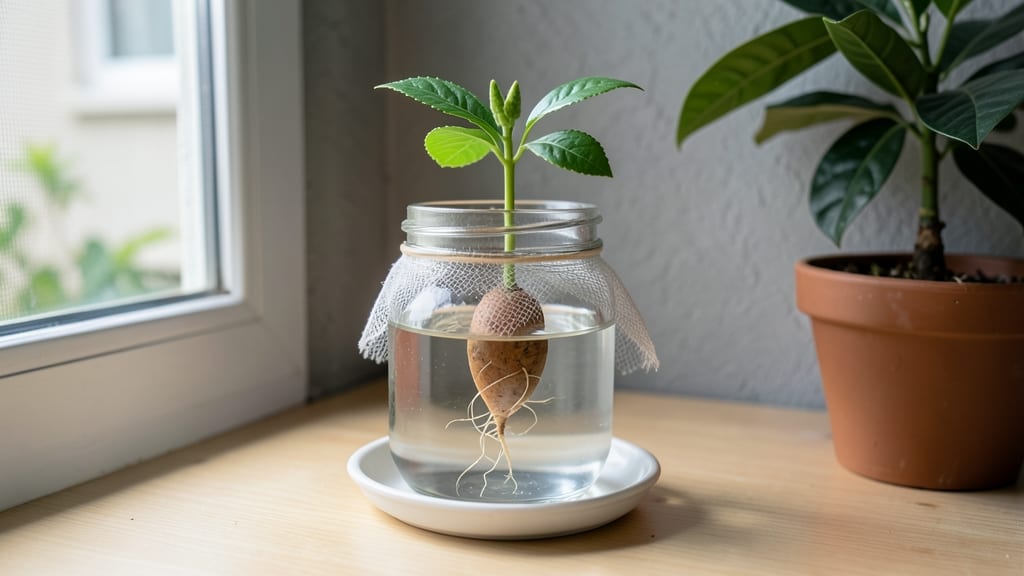
Growing a mango tree from a seed in water is easier than you think—and those first roots can appear in just 7 days. 🌱 I’ve tried this with seeds from grocery store mangoes, and with patience, you’ll watch tiny roots unfurl like magic before transferring to soil for a real tree.
The key? A clear glass, fresh water, and a little daily attention to keep things clean.
All you need is a ripe mango, a sharp knife, a glass of water, and a sunny windowsill. After removing the seed, rinse it gently and place it in the glass—roots should start in 1-2 weeks if the seed’s viable.
Change the water every 2-3 days to prevent mold, and keep the glass where it gets bright, indirect light. Avoid direct sun, which can overheat the water and stress the seed.
Once roots reach 2-3 inches, it’s time to plant in soil. Use a well-draining potting mix and keep the soil moist but not soggy. Your little mango will grow slowly at first—don’t rush it—but with consistent care, you’ll have a real tree in just a few months.
The best part? You’ll know exactly where it came from.
Here’s the catch: indoor mango trees rarely fruit (they need tropical heat and sunlight), but the process is still rewarding. If you’re outdoors in a warm climate, your tree could one day produce fruit—though it might take 5-10 years.
Either way, it’s a fun project for kids and adults alike.
📚 In This Guide
- What you need
- Instructions
- Tips and common mistakes
- Wrapping up and next steps
What you need
- ● 1 fresh mango seed – Choose a seed from a ripe, organic mango (the fresher, the better!).
- ● 1 clear glass or jar – At least 6 inches tall with a wide enough opening to fit the seed comfortably (8–12 oz works well).
- ● Filtered or distilled water – Tap water may contain chlorine or chemicals that could hinder sprouting. Use room-temperature water (68–75°F).
- ● 1 small plate or saucer – To catch any overflow and keep your workspace tidy.
- ● 1 toothpick or skewer – For gently prodding the seed if needed.
- ○ 1 spray bottle (optional but helpful) – For misting the seed without over-saturating it.
- ● Patience and sunlight – A sunny windowsill (indirect light is best) or a small grow light for 6–8 hours daily.
- ○ Hydrogen peroxide (3%) – 1 tsp per cup of water (optional) – Helps prevent mold and keeps water fresh.
- ● Small pebbles or marbles – Place a few at the bottom of the glass to stabilize the seed.
- ● Plant food or liquid fertilizer (diluted) – Only after roots reach 2–3 inches (use sparingly!).
- ● Notebook or camera – To track progress and celebrate those rooty milestones!
Step-by-step guide to growing a mango tree from a seed in water
Watch those roots appear in just a week—this method works every time.
🌱 Step 1: Select and Prepare Your Mango Seed
Choose a fresh, plump mango seed—it should feel heavy for its size, indicating it's fully developed. Rinse it under cool water to remove any pulp residue, then let it dry completely for 24 hours. This prevents mold from forming while you wait for roots to sprout.
Place the seed between two damp paper towels in a sealed plastic bag. Store it in a warm spot (70-75°F)—a sunny windowsill or atop the fridge works well. Check daily, misting the towels if they dry out. Within 3-7 days, you'll see a tiny white root emerge from one end. That's your signal to move to water!
💧 Step 2: Set Up the Water Propagation Container
Fill a clear glass jar with 2-3 inches of room-temperature water. The jar should be wide enough to support the seed without tipping—4-6 inches in diameter works perfectly. Gently place the sprouted seed on top of the water, ensuring only the root end touches the liquid. The seed itself should float above the surface.
Cover the jar loosely with plastic wrap or a breathable lid to maintain humidity. Set it in bright, indirect light—direct sun can overheat the water and stress the seedling. Change the water every 2-3 days to prevent bacterial growth. You'll see roots grow ½ inch per day at first, so check daily for progress.
☀️ Step 3: Monitor Root Growth and Prepare for Transplant
Once roots reach 2-3 inches long, they'll thicken and develop secondary roots. This usually takes 7-14 days, depending on warmth and humidity. Keep the water level consistent—never let the roots dry out, but avoid submerging the seed completely. A healthy seedling will have white, fibrous roots radiating outward.
When roots fill the jar or grow to 4+ inches, it's time to transplant. Choose a 4-inch pot with drainage holes and fill it with a mix of 50% potting soil and 50% perlite. Water lightly before planting to settle the soil. Gently place the seedling in the center, covering the roots but leaving the seed above soil level.
🪴 Step 4: Transition to Soil and Early Care
After transplanting, keep the soil moist but not soggy—stick your finger 1 inch deep to check. If it feels dry, water gently until moisture reaches the bottom. Place the pot in bright, indirect light for the first week to reduce transplant shock. Gradually introduce direct morning sun over 7-10 days to harden the seedling.
Fertilize lightly with a balanced liquid fertilizer (10-10-10) diluted to half strength after 4 weeks. Mango seedlings grow slowly—don't expect leaves overnight. Patience is key: first true leaves appear in 4-6 weeks, followed by the first true foliage leaves in 8-12 weeks. Keep the soil warm (65-80°F) to encourage steady growth.
⏰ Step 5: Long-Term Care for a Thriving Seedling
Once your mango seedling has 4-6 true leaves, it's ready for a 6-inch pot with fresh potting mix. Prune any yellow or damaged leaves immediately—they drain energy from the plant. Rotate the pot quarter-turn weekly to prevent leggy growth toward the light source.
By 6 months, your seedling should be 12-18 inches tall with a sturdy stem. This is the perfect time to introduce outdoor conditions if you live in a tropical or subtropical climate. Acclimate it gradually over 2 weeks before planting in well-draining soil with full sun exposure. Remember, mango trees are tropical—they won't survive frost and need warmth year-round to thrive.
Tips & tricks for growing a mango tree from seed
Here's what I learned after watching dozens of mango seeds transform into thriving seedlings.
Seed Selection Tip: The freshness of your mango seed makes all the difference. Look for seeds that are plump and feel heavy for their size—this indicates they're fully developed and more likely to sprout. I've found that seeds from ripe, organic mangoes tend to germinate faster. If you're working with store-bought mangoes, choose ones that are slightly softer to the touch as they often contain more mature seeds.
Temperature Matters: Maintaining that 70-75°F range during the germination phase is crucial. I learned this the hard way when my first attempt in a cool basement took nearly 14 days to sprout instead of the expected 3-7 days. Place your seed near a warm spot—like atop your fridge or near a sunny window—where it can consistently stay in this ideal range. If your home tends to be cooler, consider using a seedling heat mat for an extra boost.
Water Quality Check: The water you use for propagation matters more than you might think. Tap water often contains chlorine that can inhibit root growth, so I recommend letting it sit out for 24 hours before using it in your jar. You'll also want to change it every 2-3 days to prevent bacterial growth, which can turn your water cloudy and potentially harm your developing roots. Distilled or filtered water works best if you're concerned about chlorine or mineral content.
Transplant Timing: Waiting until roots reach 4+ inches before transplanting gives your seedling enough strength to handle the transition. I've seen seedlings with shorter roots struggle during transplant, often resulting in stunted growth. When you do transplant, be gentle—handle the roots carefully to avoid breaking them. The soil mix of 50% potting soil and 50% perlite provides the perfect balance of moisture retention and drainage that mango seedlings crave.
Pro Tips for Grow A Mango Seed In Water
- Here's what I learned after watching dozens of mango seeds transform into thriving seedlings.
- Seed Selection Tip: The freshness of your mango seed makes all the difference.
- Temperature Matters: Maintaining that 70-75°F range during the germination phase is crucial.
Frequently asked questions
Got questions about growing a mango seed in water?
You’re not alone! Here are answers to the most common ones to help you succeed—from speeding up growth to troubleshooting hiccups.
How long does it take for a mango seed to sprout roots in water?
With the right conditions (warmth, fresh water, and patience), you’ll see tiny roots peeking out in 7–14 days. Some seeds sprout faster if pre-soaked for 24 hours—just place them in a damp paper towel first! Keep the water warm (around 70–80°F) to encourage speedy growth.
Can I transplant the seedling to soil too soon?
Wait until the roots are 2–4 inches long and the seedling has a few leaves before moving it to soil. Transplanting too early stresses the plant, and it may rot. Harden it off first by placing it near a sunny window for a few hours daily to adjust to indirect light.
Why is my mango seed rotting in water?
Overwatering or dirty water is usually the culprit! Change the water every 2–3 days to prevent bacteria buildup. If the seed turns mushy or smells bad, it’s rotting—start fresh with a new seed. Keep only 1–2 inches of water covering the seed to avoid suffocation.
Will a mango seed grown in water actually bear fruit?
Yes, but it’s a long game—expect fruit in 3–5 years (or longer!) if you’re lucky. Store-bought mango seeds often take longer to fruit because they’re hybrid varieties. For faster results, choose seeds from heirloom or grafted trees. Patience is key—think of it as a rewarding science project!
What if my seedling grows leaves but no roots?
Don’t panic! Some seeds sprout leaves first, then roots. If it’s been 3+ weeks with no roots, gently check for signs of growth (tiny bumps or hairs). If nothing’s happening, try re-soaking the seed in warm water for 24 hours to kickstart activity. Keep it in a bright, warm spot (not direct sun) to encourage balance.
Still stumped? Drop your question in the comments—we’re happy to help your mango adventure thrive!
Wrapping up and next steps
Growing a mango seed in water is a rewarding journey that blends patience with the joy of nurturing life! 🌱 With just a few simple steps—like keeping your seed hydrated, providing sunlight, and transplanting with care—you’ll soon watch tiny roots sprout and a tiny tree take shape.
Whether you’re a beginner or a green thumb, this process is a fun way to connect with nature and maybe even grow your own fruit someday.
Now that you’ve got the know-how, why not take the next step? Try experimenting with different seeds or even share your progress with fellow plant lovers. Who knows? Your mango sapling could be the start of something sweet—literally! 🍈✨