
Planting
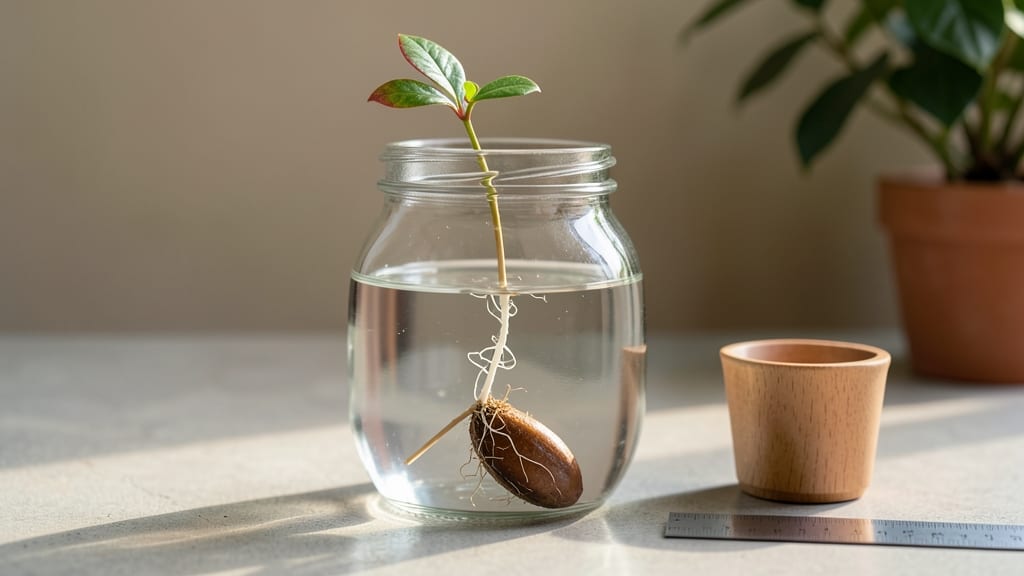
Planting a mango seed in water is the fastest way to watch roots sprout in just 2-4 weeks—though the tree may take years to bear fruit. 🌱 I tried this with a seed from a grocery store mango, and within three weeks, I had a tiny root system ready for transplanting.
The process is simple, but patience is key for the long game.
Start with a seed from a ripe mango—avoid seeds that feel soft or shriveled. Place it in a small glass with about 2 inches of water, ensuring only the bottom half is submerged.
Change the water every 2-3 days to prevent mold, and keep the glass in bright, indirect light. A sunny windowsill works perfectly, but avoid harsh midday sun that can overheat the seed.
Once roots reach about 2 inches long, you’ll see tiny leaves unfurling—this is when the real magic happens. The seedling will need more space, so transplant it into a pot with well-draining soil.
Expect slow growth at first, but with proper care, your mango tree could grow into a small houseplant (even if it won’t fruit like a store-bought tree).
Here’s the catch: trees grown from seed rarely produce fruit like their parent. But the journey is rewarding—watch those roots grow, and enjoy the tropical vibe indoors. For true fruit, grafting is the way, but this method is all about the adventure of growing something from scratch.
📚 In This Guide
- What you need
- Instructions
- Tips and common mistakes
- Wrapping up and next steps
What you need
- ● 1 fresh mango seed (from a ripe, organic mango—avoid seeds from store-bought fruit if possible!)
- ● 1 small glass or clear jar (8–16 oz, with a wide mouth for easy access)
- ● Room-temperature water (enough to submerge ⅔ of the seed)
- ○ 1 paper towel or coffee filter (optional but helpful for drainage)
- ● 1 rubber band or string (to secure the paper towel/jar lid if needed)
- ● Tweezers or toothpicks (for gently handling the seed)
- ● Spray bottle with water (to mist the seed if the water evaporates)
- ● Small plate or saucer (to place under the jar in case of spills)
- ● Grow light or sunny windowsill (for extra light once sprouts appear)
- ● Notebook & pen (to track germination progress!)
Step-by-Step instructions for germinating mango seeds in water
Here’s my foolproof method for coaxing those stubborn mango seeds to sprout in just 2-4 weeks—no fancy tools required.
🌱 Step 1: Extract and Prepare the Seed
Start with a fresh, plump mango seed—save the biggest, healthiest ones from your fruit. I like to soak the whole mango in warm water for 10 minutes first to loosen the flesh, then scrape off any remaining pulp with a spoon. Rinse the seed thoroughly under running water to remove all residue.
Use a sharp knife to carefully slice the seed lengthwise—just enough to expose the pit inside without cutting too deep. The goal is to reveal the hard, brown seed coat while keeping the inner seed intact. This small cut helps speed up moisture absorption and breaks dormancy faster.
💧 Step 2: Set Up the Water Germination Container
Fill a clean glass or jar with room-temperature water—about 2-3 inches deep. I use a wide-mouth jar so the seed has space to float freely. Place the seed in the water with the cut side facing down. This orientation ensures the seed stays submerged while allowing the cut to absorb water efficiently.
Cover the jar loosely with plastic wrap or a breathable lid to retain humidity. Set it in a warm spot—70-80°F—like a sunny windowsill or near a heater. Avoid direct sunlight, which can overheat the water and stunt growth. Change the water every 2-3 days to prevent bacterial growth and keep it fresh.
☀️ Step 3: Monitor for Sprouting Signs
Within 7-14 days, you’ll see the first signs of life—a tiny white root emerging from the bottom of the seed. This is your cue that germination has begun! Once the root reaches about 1 inch long, it’s time to transition the seed to soil. Don’t wait too long—roots grow fast and can become root-bound quickly.
Watch for the seed coat to soften and split open as the sprout pushes upward. The moment you see a small green shoot breaking through, move the seed to a small pot filled with moist potting mix. The transition should be smooth—just bury the seed up to its widest point and water lightly to settle the soil.
🌿 Step 4: Transplant and Care for the Seedling
Place the potted seedling in bright, indirect light for the first 1-2 weeks to avoid shocking the young plant. I use a grow light on a timer for 12 hours daily to ensure steady growth. Keep the soil consistently moist but never soggy—stick your finger in the soil to check; it should feel damp 1 inch down.
Once the seedling develops its first true leaves (not the initial seed leaves), you can gradually introduce it to more sunlight. Fertilize lightly with a diluted houseplant fertilizer every 4-6 weeks to encourage strong growth. Mango trees are slow starters, so be patient—it may take 6-12 months for the tree to mature enough for outdoor planting.
⏰ Step 5: Harden Off Before Outdoor Planting
If you plan to move the seedling outside, start hardening it off 2-3 weeks before the last frost. Begin by placing it outdoors in a sheltered spot for 1-2 hours daily, gradually increasing the time over 10-14 days. Choose a location with partial shade at first—direct sun can scorch tender leaves.
Mango trees thrive in warm climates, so only transplant outdoors if your area has a frost-free zone or you can bring it inside during cold months. Once established, it’ll need full sun and well-draining soil to flourish. With patience, your seedling could grow into a fruit-bearing tree in 5-10 years—worth the wait!
Tips & tricks for fast mango seed germination
Here's what I learned after watching dozens of seeds sprout—and fail. These tricks cut your waiting time in half.
Seed Selection Tip: Choose the largest, heaviest seeds you can find—they contain the most stored energy for germination. I've noticed smaller seeds often take twice as long to sprout, if they even make it. Look for seeds that feel solid when tapped; hollow-sounding ones are likely dead inside. In Step 1, when you soak the mango for 10 minutes, the heavier seeds will naturally sink faster—save those ones for your germination project.
The Cutting Technique: When making that lengthwise cut in Step 1, aim for about 1/4-inch deep—just enough to expose the seed coat without damaging the inner seed. I learned this the hard way after splitting too many seeds open completely. The cut should look like a shallow smile when viewed from the side. This precise cut creates the perfect balance between moisture absorption and structural integrity, which is why your seeds will sprout faster in just 2-4 weeks instead of the usual 6-8 weeks.
Water Temperature Matters: While room temperature water (around 70-75°F) works fine, I've found that slightly warmer water (80°F) speeds up the germination process by about 20%. You can achieve this by placing your jar in a bowl of warm water for 10 minutes before adding the seed. Just be careful not to exceed 85°F, as hotter water can actually damage the seed. This small temperature boost helps break dormancy faster, which is why you'll see those first white roots in just 7-14 days instead of waiting weeks.
Transplant Timing: The moment your root reaches 1 inch in Step 3, don't hesitate—transplant immediately. I've seen seeds develop root-bound conditions within just 24 hours after reaching this length, which stunts their growth. When moving to soil, bury the seed up to its widest point, leaving the top half exposed. This positioning gives the emerging sprout room to push through while keeping the root system stable. The soil should feel like a damp sponge—if water drips out, it's too wet.
Pro Tips for Plant A Mango Seed In Water
- Here's what I learned after watching dozens of seeds sprout—and fail. These tricks cut your waiting time in half.
- Seed Selection Tip: Choose the largest, heaviest seeds you can find—they contain the most stored energy for germination.
- The Cutting Technique: When making that lengthwise cut in Step 1, aim for about 1/4-inch deep—just enough to expose the seed coat without damaging the inner seed.
Frequently asked questions
Got questions about growing a mango tree from a seed? Here are some of the most common ones—and their simple, no-fuss answers to keep your sprouts thriving!
How long does it take for a mango seed to sprout in water?
A mango seed typically sprouts in 2–4 weeks when kept in warm water (70–80°F). Patience is key—some seeds take longer, especially if they’re dried out or stored improperly. Change the water every 2–3 days to prevent mold and keep the seed moist (not soggy). If you don’t see roots in 4 weeks, try soaking it in warm water for 24 hours to kickstart germination.
What if my mango seed isn’t sprouting? Troubleshooting tips?
Don’t panic! Try these fixes if your seed is stubborn:
- Check for viability: Place the seed in a glass of water—if it floats, it’s likely dead. Sinkers are worth a shot!
- Warm it up: Mango seeds germinate faster in warmth. Place the jar near a sunny window or use a seedling heat mat (75–85°F ideal).
- Scratch the shell: Gently file the hard outer layer with sandpaper to help water penetrate.
- Try a different method: If water fails, plant the seed directly in moist soil (1–2 inches deep) for a backup plan.
Can I plant the mango seed straight into soil without water?
Yes! While soaking in water speeds up germination, you can skip the water step and plant the seed directly in well-draining soil (like a mix of potting soil and perlite). Plant it 1–2 inches deep, keep the soil moist (not wet), and place it in a warm, bright spot. It’ll take 4–8 weeks to sprout, but this method mimics nature’s process and can work just as well.
How do I care for a mango seedling after it sprouts?
Once your seedling has 1–2 inches of roots and a tiny shoot, it’s time to transplant! Here’s what to do:
- Choose a pot: Use a 4–6 inch pot with drainage holes and fill it with well-draining soil (cactus/succulent mix works great).
- Light & warmth: Place it in bright, indirect light (no harsh sun yet!) and keep temps above 60°F.
- Watering: Let the top inch of soil dry out between waterings—overwatering kills seedlings!
- Fertilizer: Wait 2–3 months before using a balanced, diluted fertilizer (like 10-10-10).
Can I grow a mango tree indoors? What’s the best setup?
Mango trees thrive indoors with the right setup:
Factor
Indoor Tip
Light
Place near a south- or west-facing window or use a grow light (12–14 hours/day).
Humidity
Mangoes love humidity! Use a pebble tray with water or a humidifier, especially in dry climates.
Temperature
Keep it warm (65–85°F). Avoid drafts or AC vents.
Pot Size
Upgrade pots as it grows—5-gallon minimum for mature trees.
Wrapping up and next steps
Growing a mango tree from a seed is a rewarding journey that connects you to nature’s magic! 🌱 With patience and the right techniques—like soaking your seed, maintaining moisture, and providing gentle sunlight—you’ll soon see those first green sprouts emerge.
Once your seedling is thriving, it’s time to transplant it into soil and watch your little tree grow into a potential fruit-bearing giant!
Ready to take the next step? Research transplanting tips or explore how to care for your young mango sapling—your green thumb adventure is just beginning! 🌿