
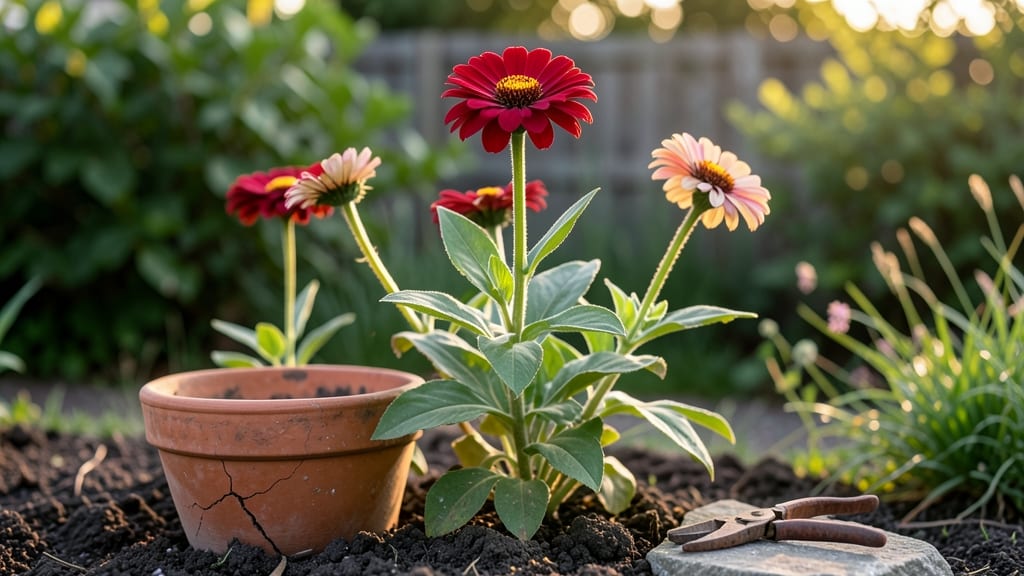
How Tall Do Zinnias Grow From Seed: Height Guide by Variety

How To

How Tall Do Zinnias Grow From Seed: Height Guide by Variety

Zinnias grow from seed into anywhere from 6 inches to 5 feet tall, depending entirely on the variety you choose—so if you're planning your garden layout, knowing these heights upfront is the key to avoiding overcrowded beds or flopping blooms.

Picture this: a dwarf 'Thumbelina' zinnia 🌸 spilling over a container edge, while a towering 'Benary’s Giant' reaches for the sky in your backyard border. That dramatic difference comes down to genetics, not luck, and it’s why picking the right type matters more than you might think.

In this guide, we’ll break down the height ranges for 12+ popular zinnia varieties, explain how sunlight and soil play a role in their growth, and share pro tips to keep your plants at your ideal height—whether that’s a neat 1-foot border or a 4-foot cut-flower stand.

No more guessing whether your zinnias will stay short or shoot up unexpectedly—just the facts you need to plan your garden like a pro.

📈 Zinnia Growth Timeline
1-5 ft
Year 1
1-5 ft
Year 2
1-5 ft
Year 3
1-5 ft
Mature

Zinnia height ranges by variety: from dwarf to giant

When you plant zinnia seeds, the height your blooms will reach depends entirely on the variety you choose. Some zinnias stay compact enough for window boxes, while others grow tall enough to become stunning cut-flower focal points.

Understanding these height ranges helps you plan your garden layout and select the perfect zinnias for your space.

Zinnia varieties typically fall into four distinct height categories: dwarf (6–12 inches), medium (1–2 feet), tall (2–3 feet), and giant (3–5 feet). Each category offers unique blooms and thrives in different garden settings, from containers to borders to back-of-the-bed displays.

The summary table below breaks down 12 popular zinnia varieties by their mature height, ideal planting scenarios, and key characteristics. Use this guide to match your garden vision with the perfect zinnias for your space.

How to control zinnia height for your garden space

Zinnias are one of the most versatile flowers for gardeners, but their height can vary dramatically—from 6-inch dwarf varieties to towering 5-foot giants. If you're working with limited space or need to create a specific garden design, controlling zinnia height is key.

The good news? With the right techniques, you can shape their growth to fit your vision—whether that's a container garden, a border planting, or a cut-flower arrangement.

Your first step is understanding how zinnias grow naturally. Most varieties grow vertically on strong stems, but their final height depends on genetics, sunlight, and care. For example, 'Thumbelina' zinnias stay under a foot tall, while 'Benary’s Giant' zinnias can reach 5 feet or more.

The secret to managing their height lies in pruning, staking, and deadheading—plus choosing the right variety for your space.

🌱 Zinnia Height from Seed: What to Expect

Zinnia height from seed varies dramatically by variety, but most follow this general timeline:

  • Dwarf varieties (e.g., 'Thumbelina'): 6-12 inches at maturity
  • Medium varieties (e.g., 'Crystal'): 1-2 feet tall
  • Tall varieties (e.g., 'Profusion'): 2-3 feet tall
  • Giant varieties (e.g., 'Benary’s Giant'): 4-5 feet tall

Pro Tip: Start with dwarf or semi-dwarf varieties if space is limited, or use pruning to control taller types.

One of the simplest ways to control zinnia height is through pruning. Pinching back the tips of young plants encourages bushier growth and prevents them from becoming leggy. For taller varieties, prune the main stem just above a set of leaves to redirect energy into side shoots.

This technique works especially well for cut-flower arrangements, as it promotes more blooms and shorter stems.

If you're growing zinnias in containers or borders, consider using stakes or cages to support their stems. Tall varieties like 'State Fair' zinnias can benefit from lightweight bamboo stakes or spiral plant ties.

For a more natural look, weave stems through a trellis or obelisk to create vertical interest without sacrificing space. This method also makes harvesting easier and keeps flowers upright for longer vase life.

Deadheading—removing spent blooms—is another critical step for managing height and encouraging continuous flowering. By snipping off faded flowers just above a set of leaves, you prevent the plant from redirecting energy into seed production.

This keeps zinnias compact and bushy while extending their blooming season. For tall varieties, deadheading also prevents them from becoming top-heavy and flopping over.

Finally, choose your zinia variety wisely based on your garden’s layout. For containers or window boxes, opt for dwarf varieties like 'Crystal' or 'Lilliput'. For backyard borders or cut-flower gardens, taller types like 'Profusion' or 'Persian Carpet' add drama.

If you love the look of giant zinnias but lack space, consider growing them in large pots with support stakes to contain their height.

With these techniques, you can shape zinnias to fit any garden—whether you want a low-growing border, a tall floral backdrop, or a bountiful cut-flower harvest. Experiment with different varieties and care methods to find what works best for your space! 🌻

★★★★★4.9(13 reviews)
Categories How To
Variety Height Range Best For Bloom Color Days to Bloom
Thumbelina Series 6–12 inches Containers, window boxes Pink, red, orange, yellow 50–55 days
Crystal Series 12–18 inches Front-of-bed, borders White, pink, red, purple 55–60 days
Benary’s Giant 3–5 feet Cut flowers, back of beds Red, pink, white, yellow 60–65 days
Profusion Series 12–18 inches Mass plantings, containers Multi-color blends 50–55 days
Zahara Series 18–24 inches Cut flowers, borders Deep red, purple, pink 60–65 days
Lilliput Series 8–12 inches Window boxes, fairy gardens Orange, yellow, red 45–50 days
Double Click Series 24–30 inches Cut flowers, back of beds Multi-color doubles 60–65 days
Crystal Red 12–18 inches Borders, containers Deep red