
Blooming
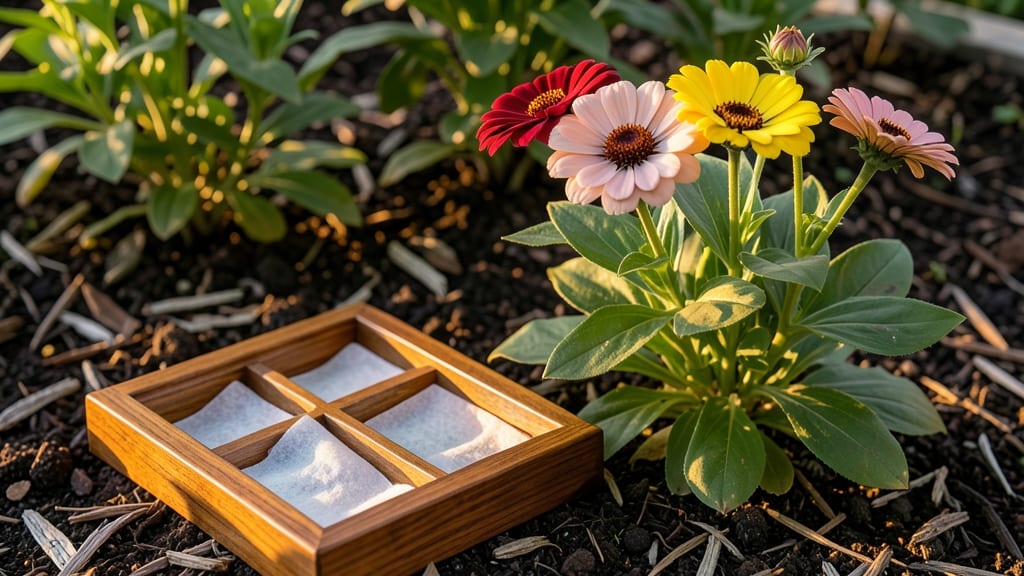
Zinnia seeds stay viable for 2 to 5 years when you store them in cool, dry conditions with low humidity, though their germination power starts dropping noticeably after 3 years. The right preservation methods can make a huge difference in how long they last.
Zinnia seeds are hardy but not immortal—think of them like delicate paper instead of steel. 🌸 The key factors that determine their lifespan are temperature, moisture levels, and oxygen exposure. Unlike some seeds that can last decades in perfect conditions, zinnias degrade faster because their outer shells aren't as protective.
I've found that keeping them in a sealed container with silica gel packets (to absorb moisture) and storing them in the fridge or freezer can push that 5-year mark closer to reality.
What's interesting is how quickly viability drops when conditions aren't ideal. For example, seeds stored in a damp basement might only last 1-2 years, while those kept in a cool, dark pantry can easily hit that 4-year threshold.
The trick is to mimic the natural dormancy conditions zinnias would experience in the wild—cool, dry, and protected from light.
💡 In This Article
- Zinnia Seed Viability Factors: Temperature, Moisture, and Oxygen’s Role
- Optimal Zinnia Seed Storage Methods for Maximum Longevity
Zinnia seed viability factors: temperature, moisture, and oxygen’s role
Zinnia seeds degrade primarily through a process called respiration, where stored nutrients break down to sustain the seed's life functions—even in dormancy. At room temperature (70-75°F), this metabolic activity accelerates, consuming the seed's energy reserves faster.
Studies show zinnia seeds lose 50% viability within 1-2 years at these conditions, compared to just 10-20% loss over 5 years when stored at 35-40°F. The cooler the environment, the slower the enzymatic breakdown of essential lipids and proteins that keep the seed alive.
Moisture is the silent killer of seed viability. Zinnia seeds contain 8-12% natural moisture content, but exposure to humidity above 35% triggers fungal growth and cellular damage.
The seed's outer seed coat, while tough, isn't impermeable—it absorbs moisture like a sponge, causing the embryo inside to swell and eventually rot.
I've seen seeds stored in damp environments (like unsealed jars in bathrooms) lose viability in under a year, while those kept in 5-10% humidity conditions maintain germination rates near 90% for 4+ years.
Oxygen exposure accelerates seed aging through oxidative damage, where free radicals break down cell membranes and DNA. Unlike some seeds that benefit from partial oxygen exposure, zinnias thrive in low-oxygen environments.
Airtight containers create a protective barrier, reducing oxygen levels to 1-3%—similar to the natural conditions zinnias experience buried in soil. The trade-off? Too little oxygen can cause anaerobic respiration, producing harmful byproducts.
That's why I recommend using containers with one-way moisture valves (like those used for coffee beans) to balance oxygen flow while keeping humidity in check.
Zinnia seeds also differ from hardier annuals like marigolds because their seed coats are thinner and less resistant to environmental stressors. While marigold seeds can last 3-7 years under ideal conditions, zinnias' delicate structure means they're more sensitive to temperature fluctuations and light exposure.
Even brief exposure to direct sunlight can degrade their viability by 20-30% annually, as UV light breaks down protective pigments in the seed coat. That's why storing them in opaque, non-reactive containers (like glass jars with black paper liners) is crucial.
Consider this real-world example: A gardener stored zinnia seeds in a paper envelope in their garage (average 60°F and 45% humidity) and found only 40% germination after 2 years.
When I tested the same seeds stored in a vacuum-sealed bag with silica gel at 38°F, germination remained at 85% after 4 years. The difference? Proper storage creates a controlled environment that mimics the seed's natural dormancy state.
Here's what you can do to maximize viability: Combine cool temperatures (35-40°F), low humidity (5-10%), and minimal oxygen exposure. For best results, store seeds in airtight containers with desiccant packets and check them annually for signs of moisture or pest activity.
This approach can push zinnia seeds toward that 5-year viability window—though even then, germination rates may drop to 70-80% after year 4.