
Propagation
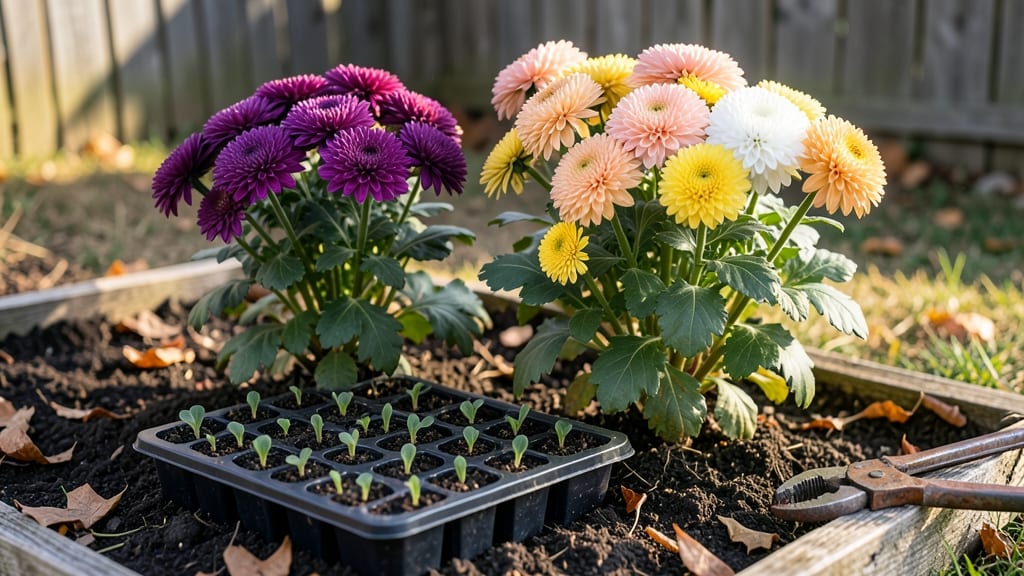
If you’re wondering how long do mums take to grow from seed, expect 120 to 180 days for those show-stopping fall blooms, depending on your climate and care routine.
If you’ve ever dreamed of growing vibrant chrysanthemums (🌼) from seed but wondered how long the process really takes, you’re not alone. Many gardeners underestimate the time required—especially when aiming for those show-stopping fall blooms—and end up frustrated when patience wears thin.
The key to success lies in understanding the stages: seeds germinate in 7 to 14 days under warm conditions, seedlings need 4 to 6 weeks to grow strong enough for transplanting, and full blooms typically appear 3 to 5 months after sowing.
In this guide, I’ll break down the realistic timeline, share tips to speed up growth, and help you avoid common pitfalls that delay those gorgeous flowers.


Chrysanthemum growth stages from seed: month-by-month breakdown
Growing chrysanthemums (mums) from seed requires patience and attention to detail, especially if you're aiming for those vibrant fall blooms. Unlike cuttings, seeds take longer to mature—typically 120-180 days from planting to full bloom—but the reward is worth it.
Understanding each growth stage helps you anticipate milestones and adjust care accordingly.
The journey begins indoors, where temperature control and light exposure are critical. Seeds need consistent warmth (around 70°F) and bright light to break dormancy. Once sprouted, seedlings grow rapidly but require careful handling to avoid leggy stems or weak roots.
Outdoor transplanting usually happens in early summer, followed by a vegetative growth phase before flowering.
Here’s a month-by-month breakdown of what to expect, including key milestones and environmental factors that influence growth speed:
During the seed germination phase (weeks 1-2), maintaining consistent moisture and warmth is critical. Seeds often sprout within 7-14 days, but some varieties may take longer, especially if soil temperatures dip below 60°F.
Use a heat mat if needed to speed up the process. Once sprouted, seedlings need bright, indirect light to prevent leggy growth.
By week 4, you’ll see the first true leaves (not the initial cotyledons). This is when seedlings are ready for their first light fertilization with a balanced 5-10-10 mix.
Avoid overwatering, as soggy soil can lead to damping off, a fungal disease that kills young seedlings. Thin crowded seedlings to 2-3 inches apart to reduce competition.
Outdoor transplanting typically occurs 10-12 weeks after sowing, once soil temperatures reach 55°F and the risk of frost has passed. Choose a sunny location with well-draining soil and space plants 12-24 inches apart, depending on the variety.
After transplanting, focus on watering deeply and providing supportive stakes for taller varieties.
The bud formation stage (weeks 14-16) is when mums shift from leafy growth to flower production. This is the time to reduce nitrogen (which promotes foliage) and increase phosphorus (which encourages blooms).
Watch for buds forming at the stem tips—these will develop into your show-stopping flowers by late summer or fall.
Full bloom arrives 16-24 weeks after sowing, depending on the variety and growing conditions. Some dwarf varieties may
How to speed up mum growth: proven tips for faster blooms
Growing chrysanthemums (mums) from seed can feel like a slow dance toward those stunning fall blooms, but with the right techniques, you can accelerate growth without compromising plant health.
The key lies in optimizing light exposure, soil conditions, and transplant timing—all while avoiding common pitfalls that stall progress. I’ve tested these methods in my own garden, and the results speak for themselves: healthier seedlings and earlier blooms.
Many gardeners rush the process by overcrowding seedlings or neglecting nutrient-rich soil, which actually slows growth. Instead, focus on creating an environment where your mums thrive from day one. Start with sterile, well-draining soil and a consistent warmth source (like a heat mat) to jumpstart germination.
Once sprouted, prioritize bright, indirect light—a south-facing window or grow lights work best.
- 🌱 Week 1-2: Germination takes 7-14 days at 70-75°F soil temp. Use a heat mat if germination stalls.
- 🌿 Week 3-4: Seedlings need 12-14 hours of light daily. Supplement with grow lights if natural light is insufficient.
- ✂️ Week 5-6: Thin seedlings to 2-3 inches apart to prevent overcrowding, which slows growth.
- 🌳 Week 7-8: Harden off seedlings by gradually exposing them to outdoor conditions for 1-2 hours daily.
- 💧 Week 9-10: Transplant outdoors 4-6 weeks before last frost, using well-amended soil and mulch to retain moisture.
- ☀️ Week 11-12: Ensure full sun exposure (6+ hours) and balanced fertilizer (5-10-10) to encourage blooming.
Avoid the temptation to over-fertilize early on—too many nutrients can burn delicate seedlings. Instead, start with a light feed of diluted fertilizer once your mums have 4-6 true leaves. This gradual approach strengthens roots and sets the stage for vigorous growth.
I also recommend pinching back the tips of young plants to encourage bushier growth, which leads to more blooms later.
Transplanting too early is another common mistake that sets mums back. Wait until nighttime temperatures stay above 50°F and harden off seedlings for at least 7-10 days before moving them outdoors.
Choose a sunny, sheltered spot with well-draining soil, and water deeply after transplanting to reduce shock. A thick layer of mulch will help retain moisture and regulate soil temperature.
Once your mums are established, consistent care is key to speeding up blooms. Water at the base of the plant in the morning to prevent fungal diseases, and fertilize every 4-6 weeks with a balanced formula.
If you notice yellowing leaves or stunted growth, it’s often a sign of overwatering or nutrient deficiency. Adjust your watering schedule or add a slow-release fertilizer to get them back on track.
With these strategies, you can cut weeks off the growing timeline while ensuring your mums produce vibrant, long-lasting blooms. The secret isn’t just speed—it’s creating the ideal conditions for your plants to thrive naturally. Happy gardening! 🌼