
Propagation
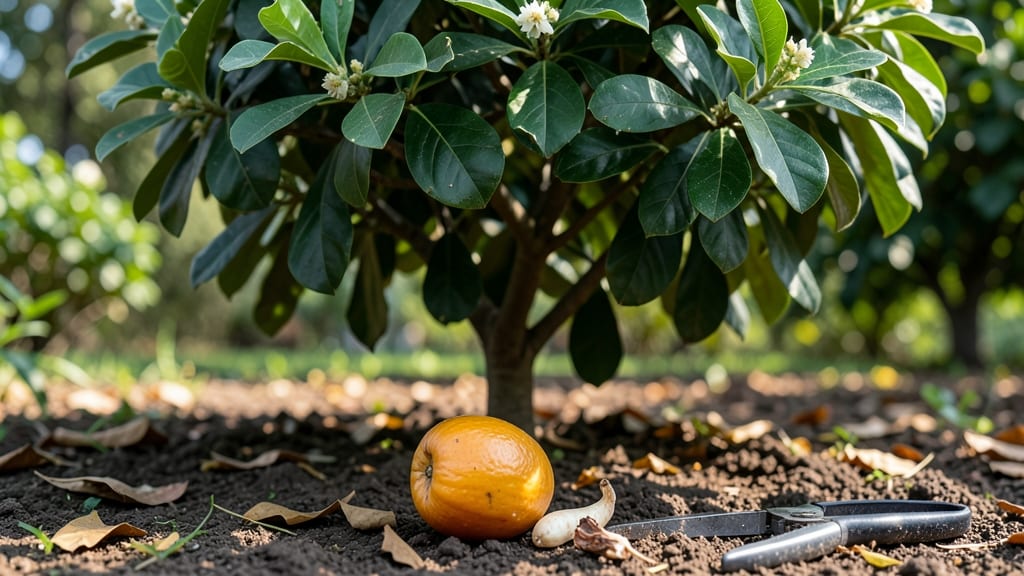
Growing loquat trees from seed won't reliably produce fruit matching the parent plant, since seed propagation creates genetically diverse offspring that may take 5-10 years or longer to bear fruit—or never produce at all. Grafting onto a known variety guarantees consistent fruit reproduction.
Seed-grown loquats often develop into entirely different varieties due to natural genetic recombination during pollination. 🌱 Unlike grafted trees, which maintain the exact characteristics of the parent plant, seedlings can produce fruit with varying sizes, flavors, and ripening times.
Even if they eventually fruit, the process typically requires far more patience than grafting, which delivers predictable results within 2-3 years. For consistent harvests, most commercial growers rely on grafting known cultivars onto hardy rootstock.
This genetic unpredictability stems from loquats being self-pollinating but still prone to cross-pollination with nearby trees. The resulting seedlings may inherit traits from multiple parent plants, creating a botanical lottery for fruit quality.
While seed propagation is fascinating for experimenting with new varieties, it's not practical for home growers seeking reliable fruit production.
💡 In This Article
- Why Seed-Grown Loquats Rarely Match Parent Fruit
- Best Practices for Growing Fruitful Loquat Trees
Why seed-grown loquats rarely match parent fruit
The genetic variability in seed-propagated loquats stems from their natural reproductive process. Loquat trees (Eriobotrya japonica) are primarily self-pollinating, but even with self-pollination, seeds can still contain mixed genetic material due to occasional cross-pollination from nearby trees.
This creates offspring that may inherit traits from multiple parent plants, resulting in fruit that differs significantly in size, flavor, and ripening time from the parent tree. 🌱
Biologically, this happens because loquat seeds develop from fertilized ovules that combine genetic material from both pollen and ovum. Unlike grafting, which clones the exact genetic makeup of the parent plant, seeds introduce genetic recombination.
For example, a seed from a large-fruited 'Big Jim' loquat might produce a tree bearing smaller, tart fruit that ripens weeks later than the parent. This unpredictability is why seed-grown trees often take 5-10 years to fruit—or never produce at all.
The delayed fruiting in seed-grown loquats is tied to their juvenile phase, a period where the tree focuses on root and canopy development rather than reproduction. During this time, the tree's energy goes toward establishing a strong structural framework, which can last 3-5 years longer than in grafted trees.
Grafted loquats, meanwhile, inherit the mature genetic programming of the scion (the fruiting portion), allowing them to bear fruit within 2-3 years of planting.
Consider the sensory differences: a grafted 'Champagne' loquat will reliably produce sweet, fragrant fruit with a delicate orange hue, while a seedling might yield fruit with a more acidic taste, thicker skin, or even a different shape.
The flavor profile can shift dramatically—some seedlings may develop a floral aroma, while others lack the characteristic honey-like sweetness of cultivated varieties. 🌿
Cross-pollination further complicates matters. Even in self-pollinated flowers, wind or insects can transfer pollen from different loquat varieties, creating hybrid offspring. For instance, a seed from a 'Wheat Russell' loquat (known for its large fruit) might produce a tree bearing fruit more similar to the smaller, earlier-ripening 'Mogami' variety.
This genetic roulette makes seed propagation exciting for breeders but unreliable for growers seeking consistent harvests.
For home gardeners, this means that if you plant a seed from a store-bought loquat, you're essentially playing the botanical lottery. The resulting tree might produce edible fruit, but its characteristics—size, sweetness, texture—could be completely different from what you expected.
This is why commercial growers and serious hobbyists almost always use grafting to ensure fruit quality and predictability.